

Living Room Paint Colour Ideas: The Best Colours for Every Style
Paint is the single most transformative decorating tool available. A fresh coat of paint — in the right colour — can make a room feel warm or cool, intimate or expansive, calm or energising. The challenge is that colour behaves differently on different surfaces and in different light conditions, and what looks perfect on a paint chip can look entirely different once applied across four walls. Understanding how colour works and how to choose effectively is one of the most valuable skills in interior decoration.
Warm Neutral Paint Colours
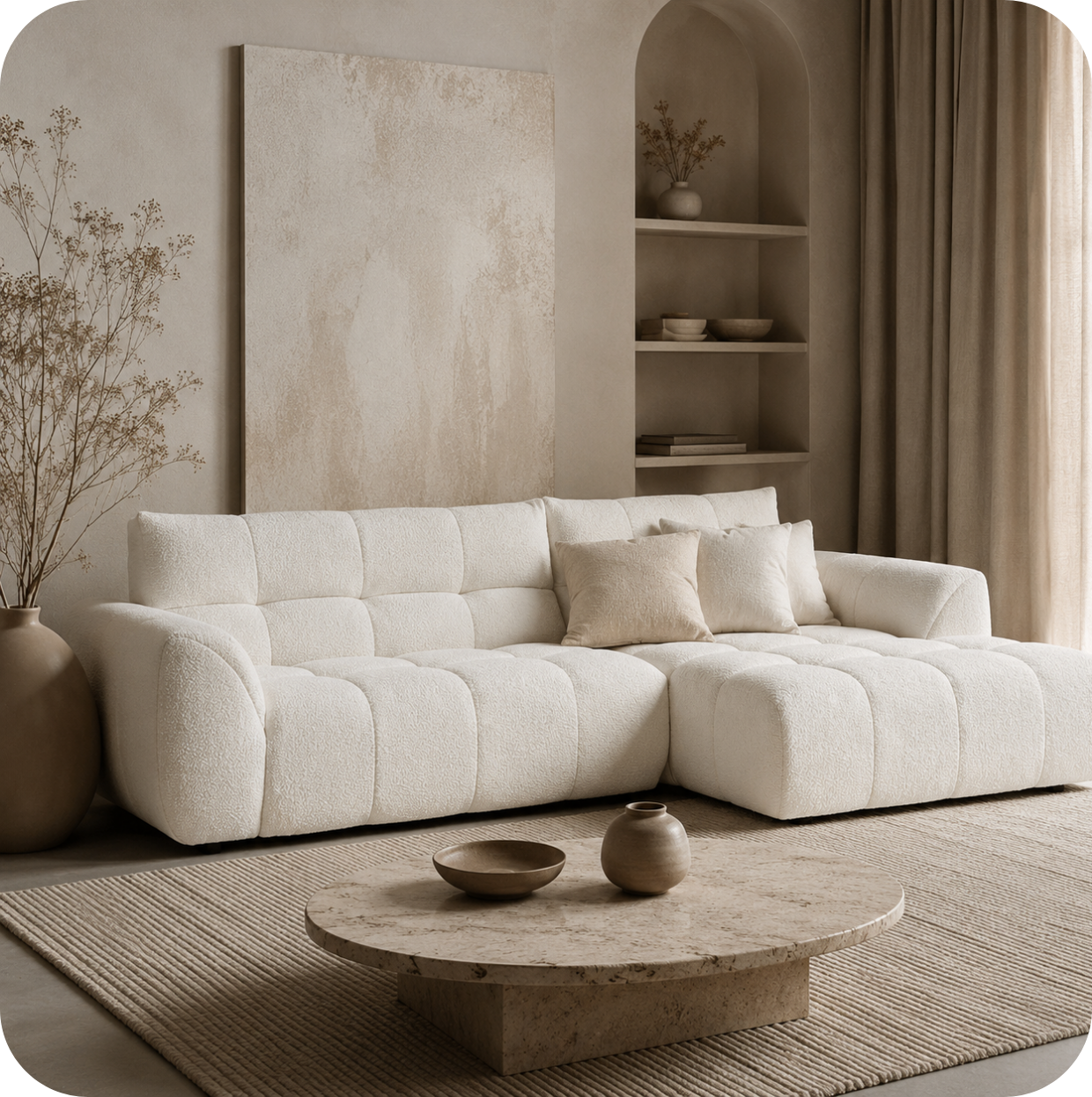
The most popular category of living room paint colours is warm neutrals: creams, off-whites, sand tones, warm greys, and greige. These colours create a calm, sophisticated foundation that allows furniture, art, and accessories to take centre stage. They work with virtually any furniture colour and style. Among the standout choices: Farrow and Ball's Wimborne White is a warm, creamy white that adds softness without feeling yellow; Dulux's Egyptian Cotton is a perennial bestseller for its warm, sandy depth; F&B's Elephant's Breath is a subtle warm grey that reads differently throughout the day. All of these colours pair beautifully with both light and dark furniture.

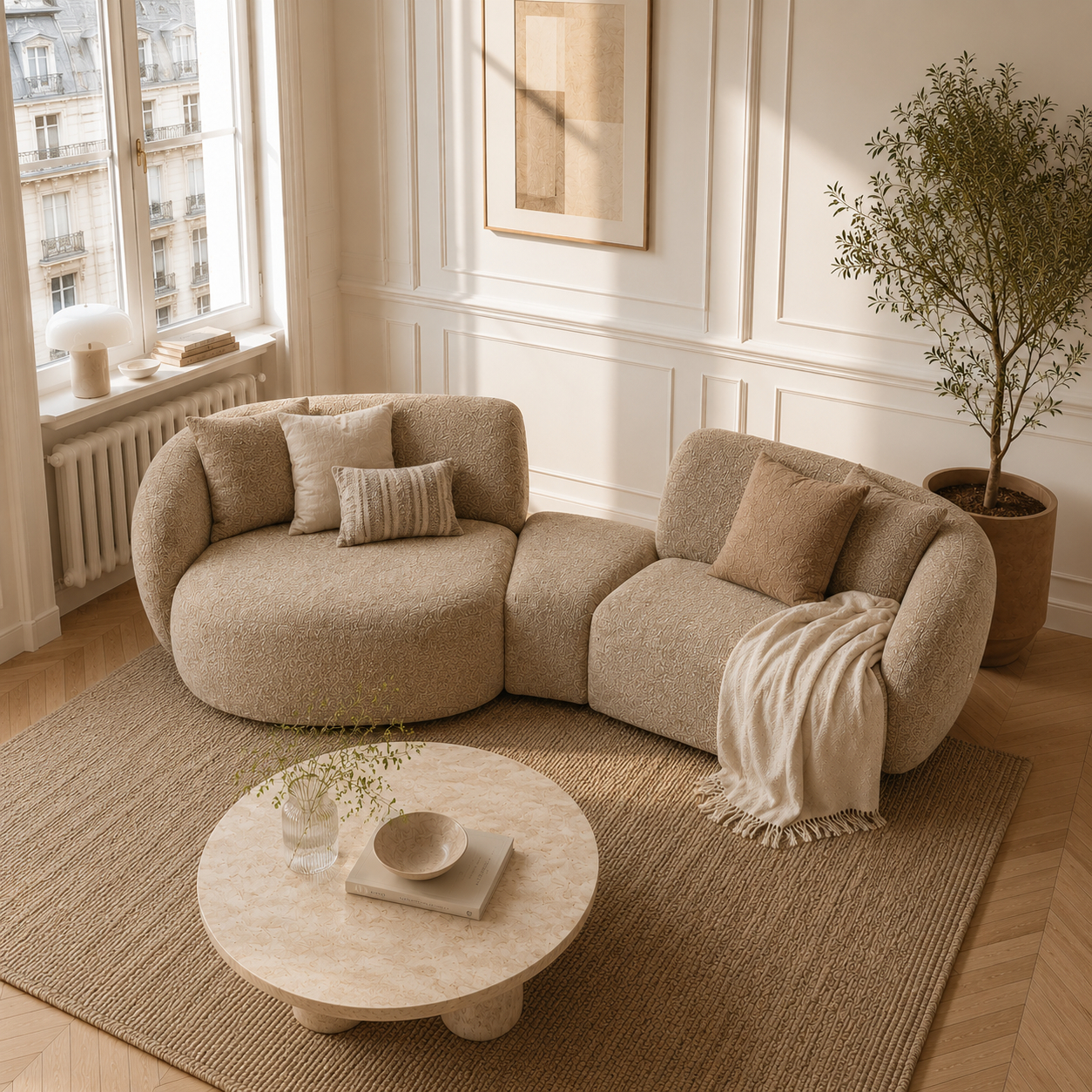
Lugano Sofa in Toffee — from €1,299
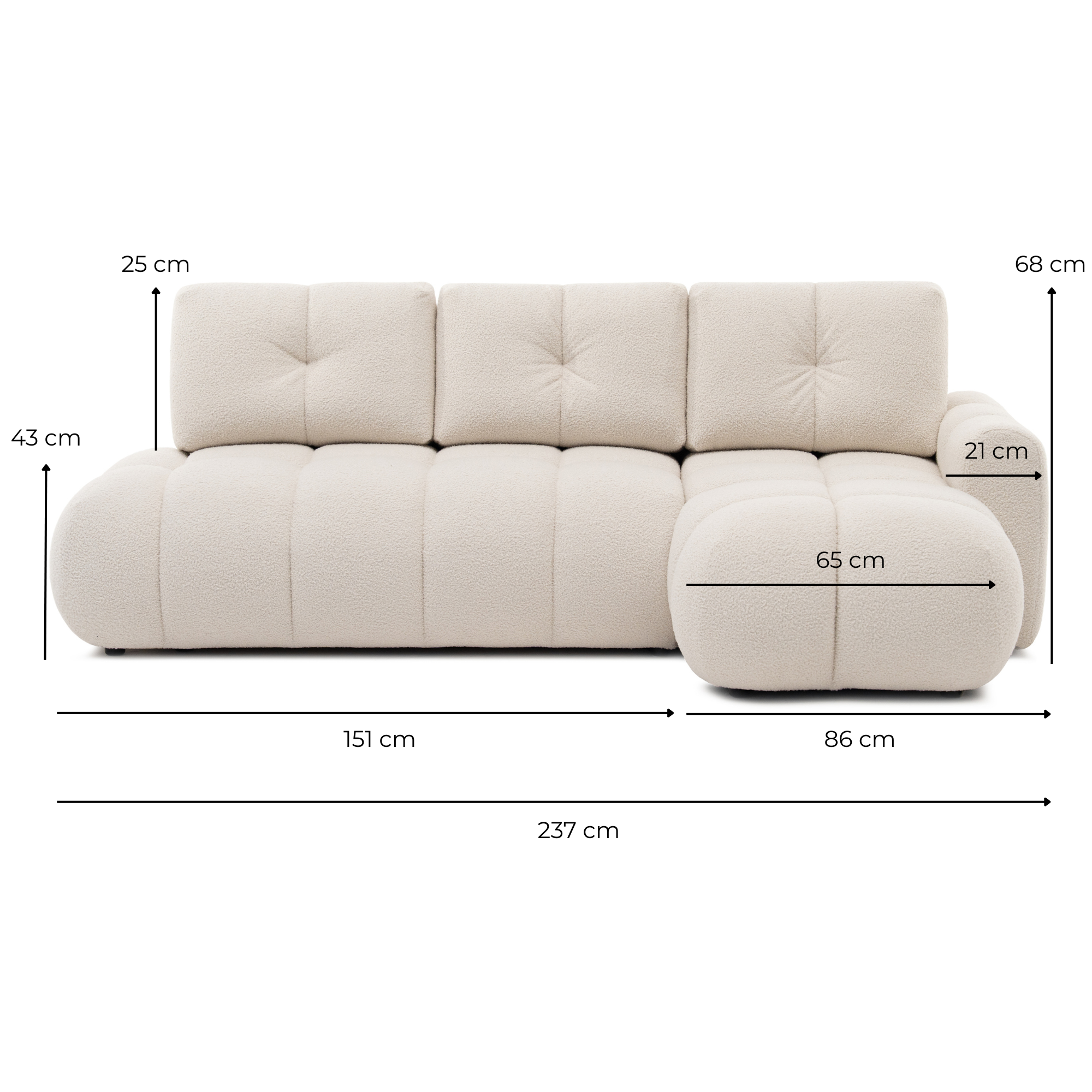
The rich toffee tone of the Lugano sofa pairs beautifully with warm neutral wall colours — sandy creams, warm whites, and taupe create a cohesive, enveloping atmosphere that feels both elegant and welcoming.

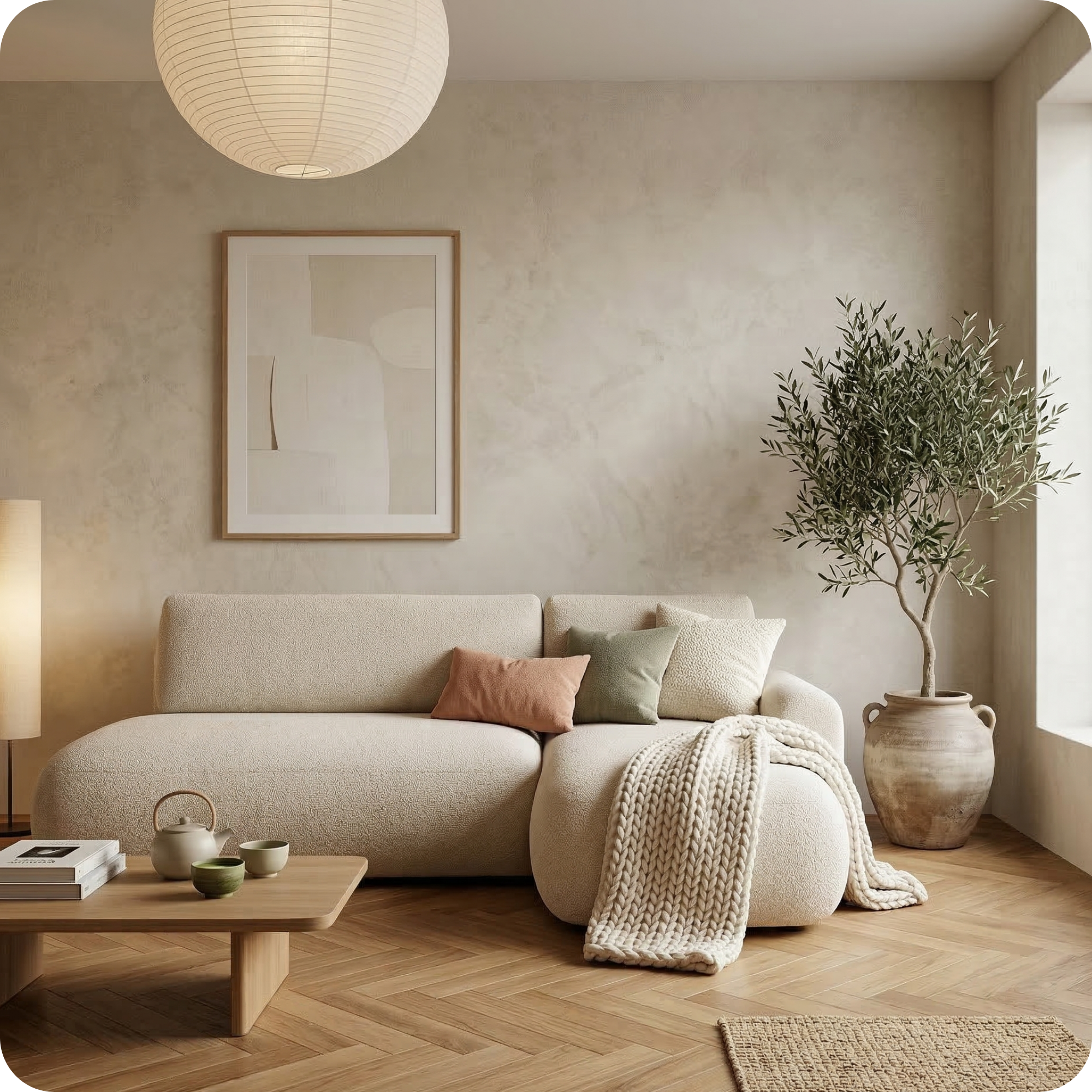
Lugano Sofa in Khaki — from €1,299
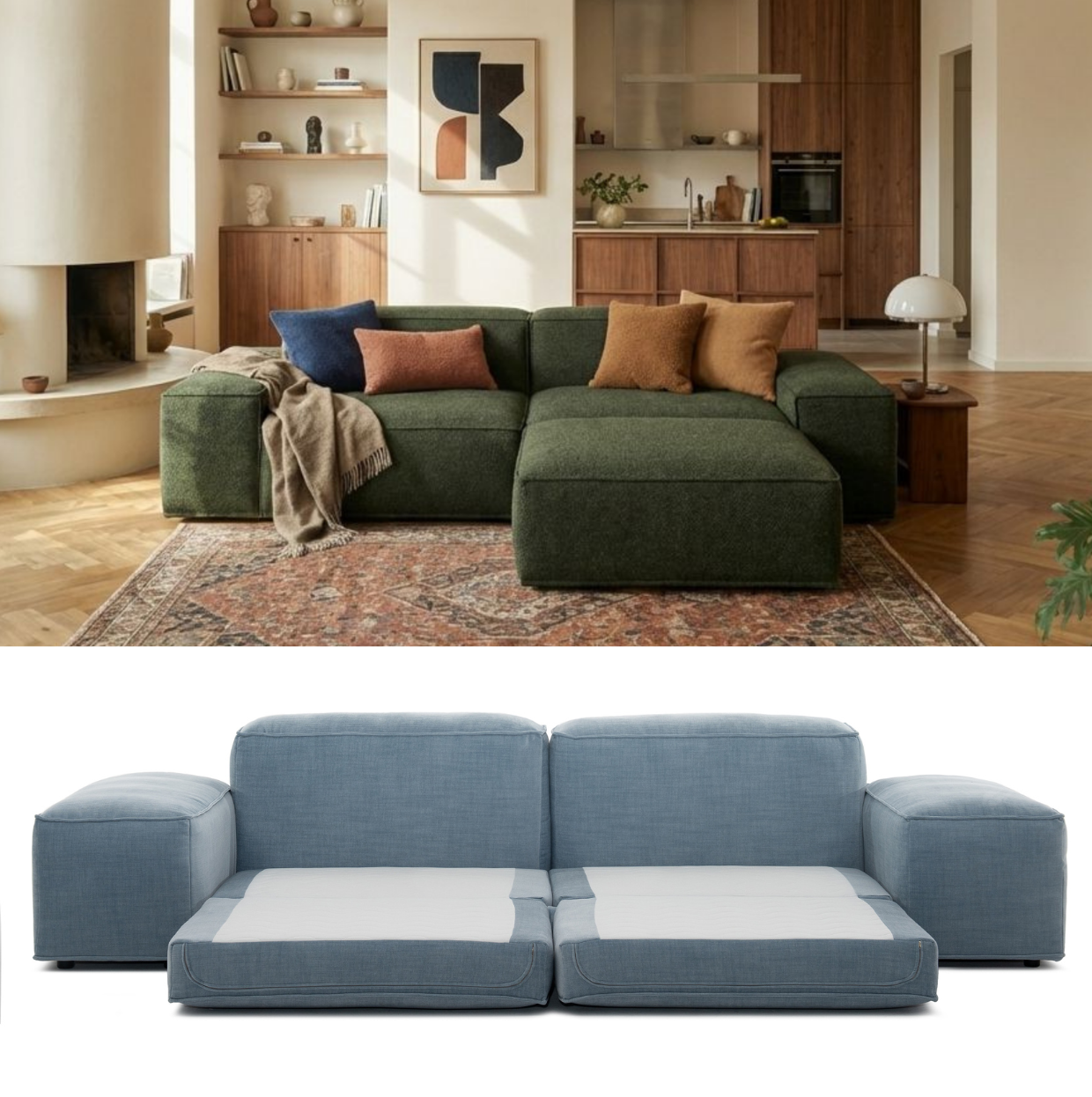
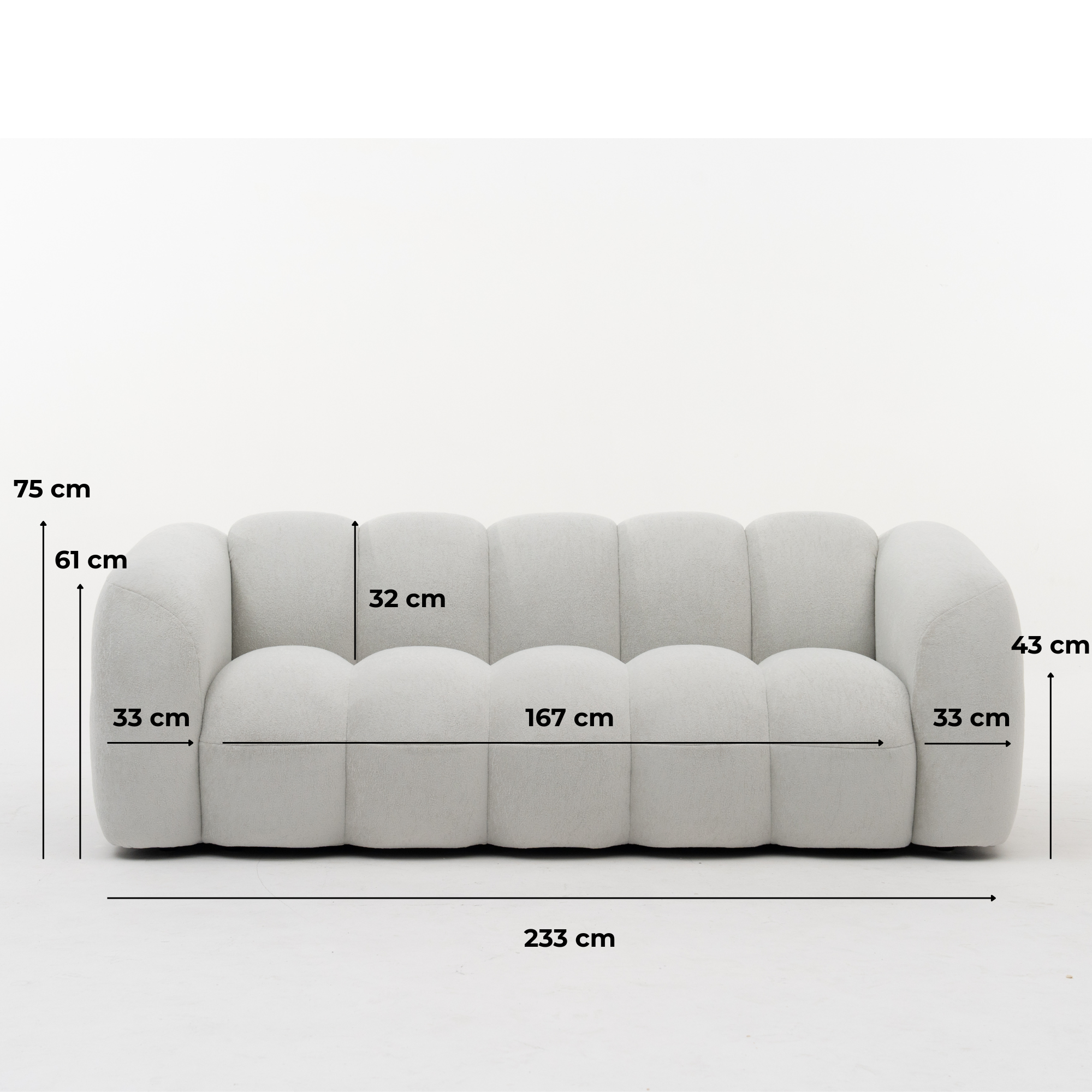
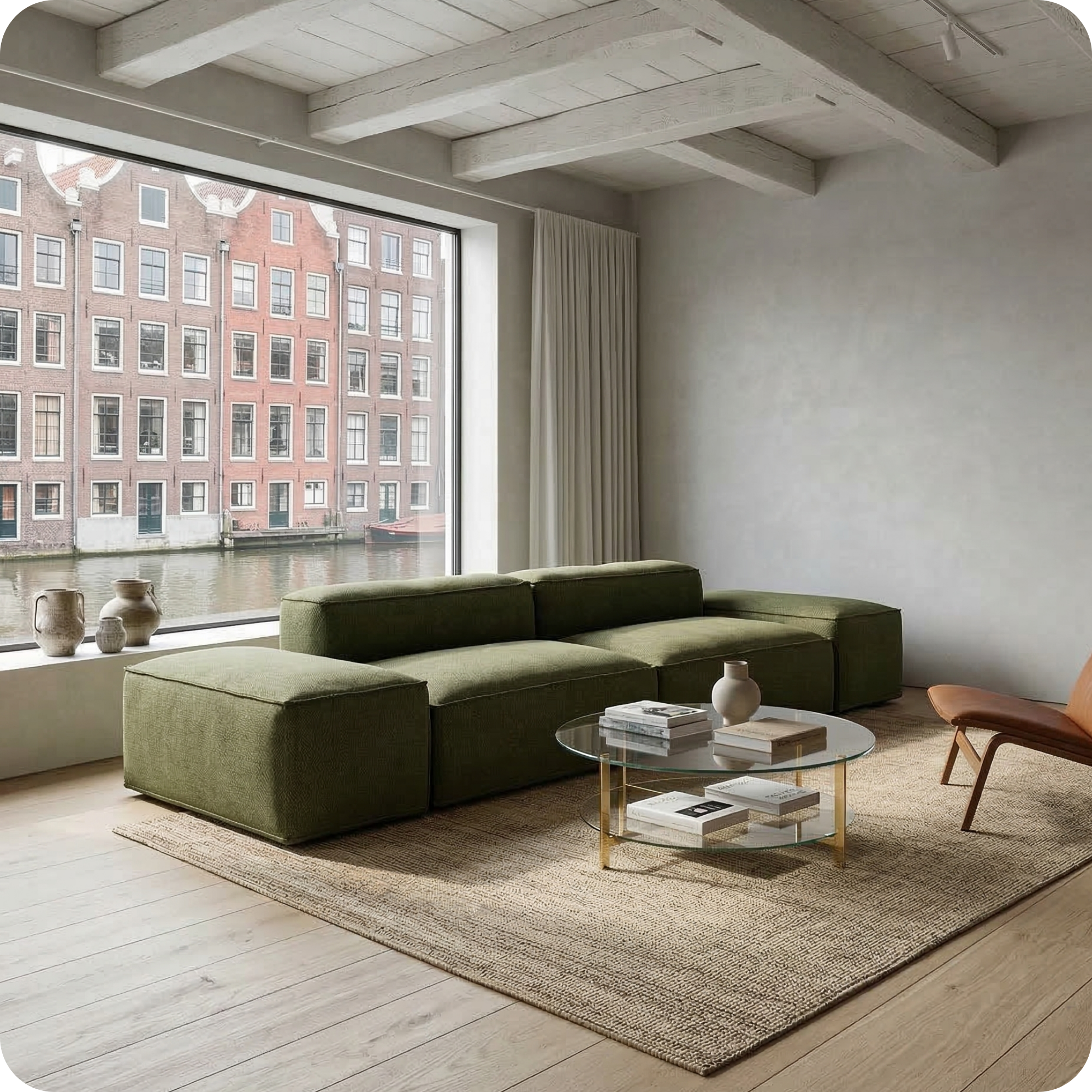
The earthy khaki tone of the Lugano works beautifully against deep sage green, terracotta, or warm white walls — it brings an organic, natural quality to the room that is deeply current in contemporary interior design.
Deep and Dramatic Paint Colours
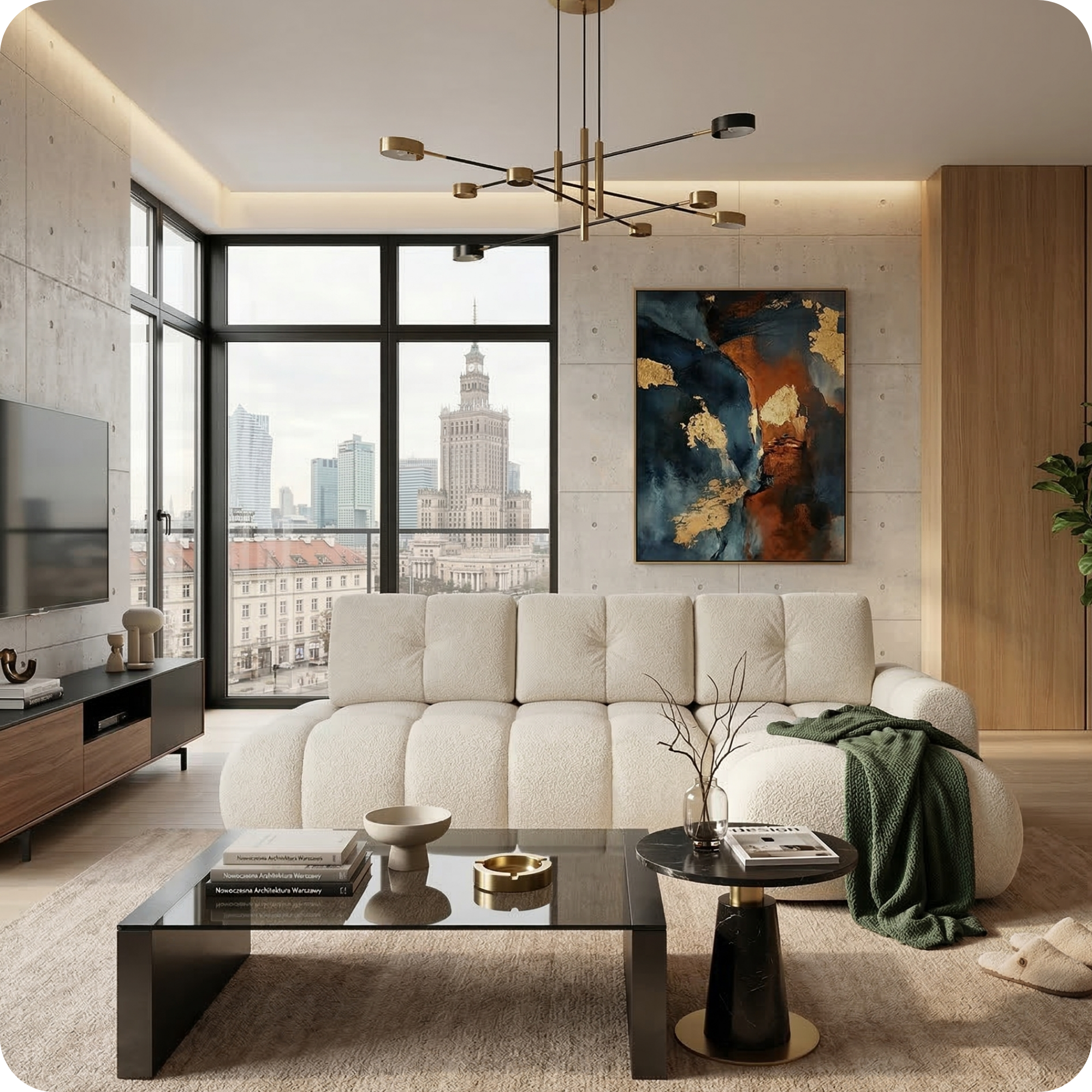
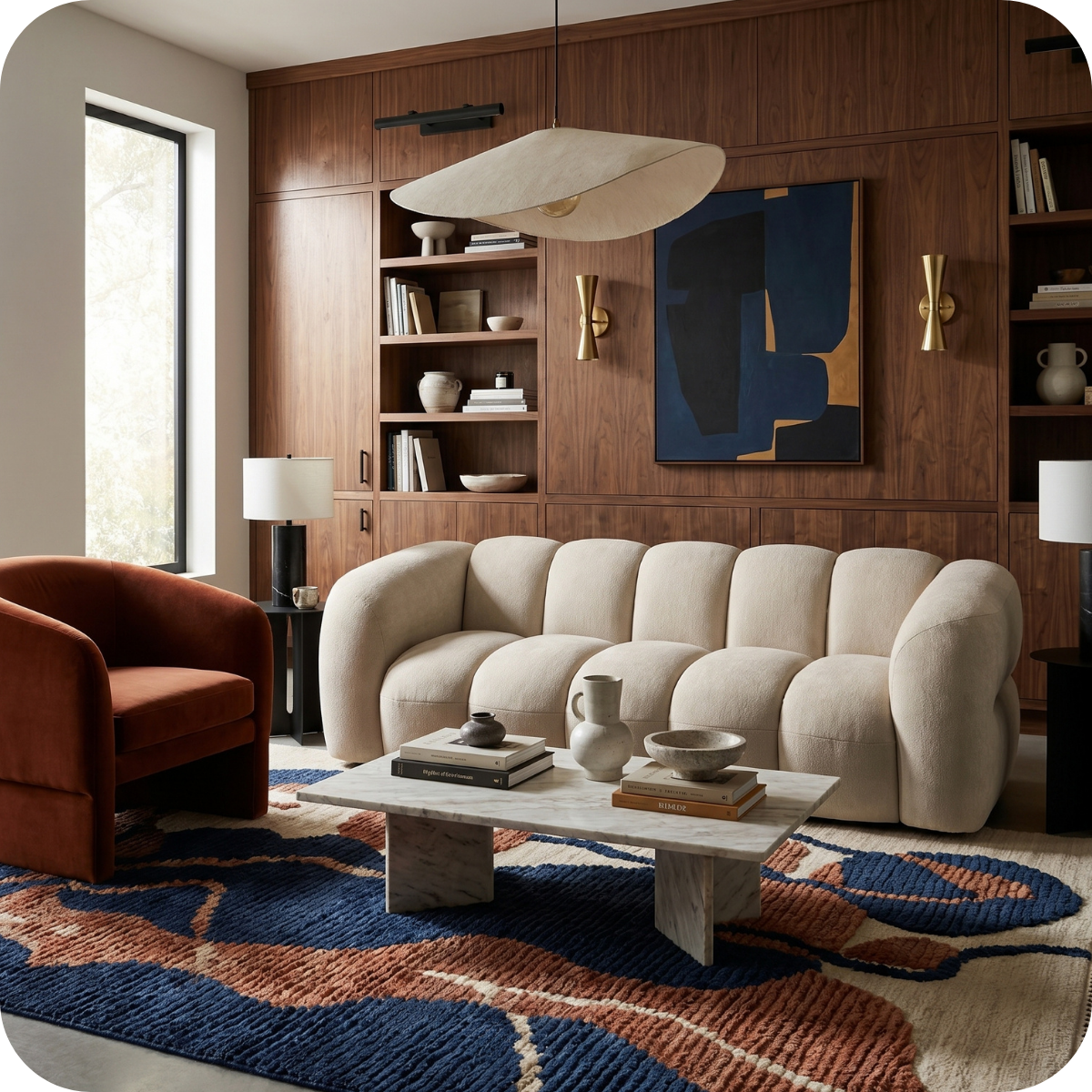
Deep, saturated paint colours — forest green, navy, charcoal, terracotta, plum — have become increasingly popular for living rooms and create an atmosphere of warmth, intimacy, and sophistication that lighter colours cannot achieve. When using a deep colour, paint all four walls (not just one accent wall) for maximum impact — a fully immersive dark room feels cosy and dramatic, while a single dark wall can sometimes feel disconnected. Deep colours work best with plenty of light: natural light during the day, and layered warm artificial light in the evening. Pair deep walls with light, contrasting furniture — a cream or light grey sofa against a navy wall creates a striking, high-impact combination.
How to Test Paint Colours Properly
The golden rule of paint testing: always test in your actual room, in your actual light conditions, on the actual wall you plan to paint. Buy large tester pots (or A4 painted card samples) and apply a patch at least 30cm square on different walls — because light enters from different angles on each wall, the same colour will look different on each surface. Observe the test swatches at different times of day: morning, midday, afternoon, and evening with artificial light. Live with the swatches for at least 48 hours before deciding. Many paint brands now offer large pre-painted sample cards that can be moved around the room, which is even more effective than painting directly on the wall.