



Modular Sofa vs Fixed Sofa: Which Is Better for Your Home?
Choosing between a modular sofa and a fixed (standard) sofa is one of the most important decisions you will make when furnishing your living room. Both types have genuine advantages and real limitations — the right choice depends on your specific lifestyle, living space, and priorities. This guide explains the key differences so you can make an informed decision.
What Is a Modular Sofa?
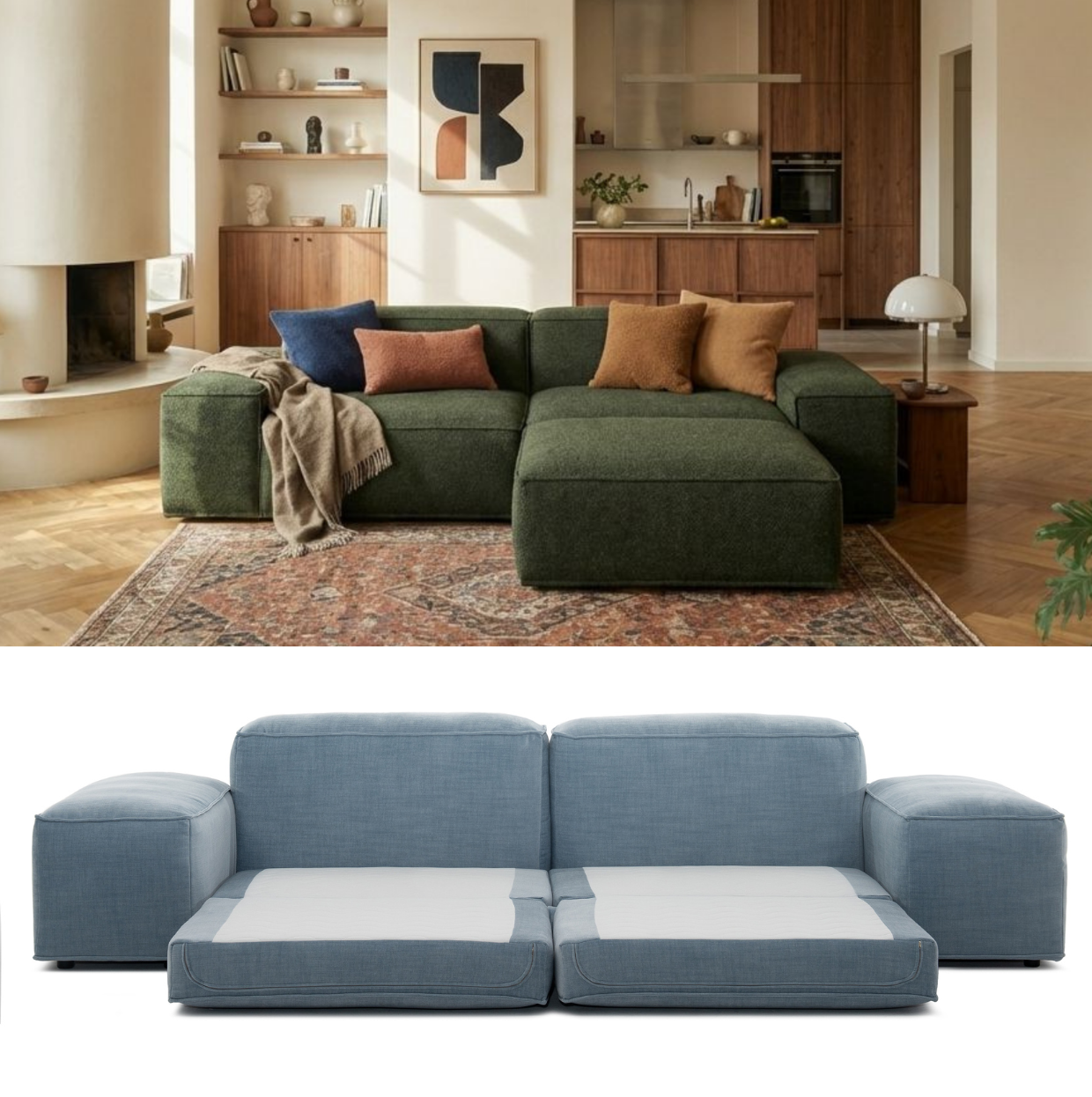
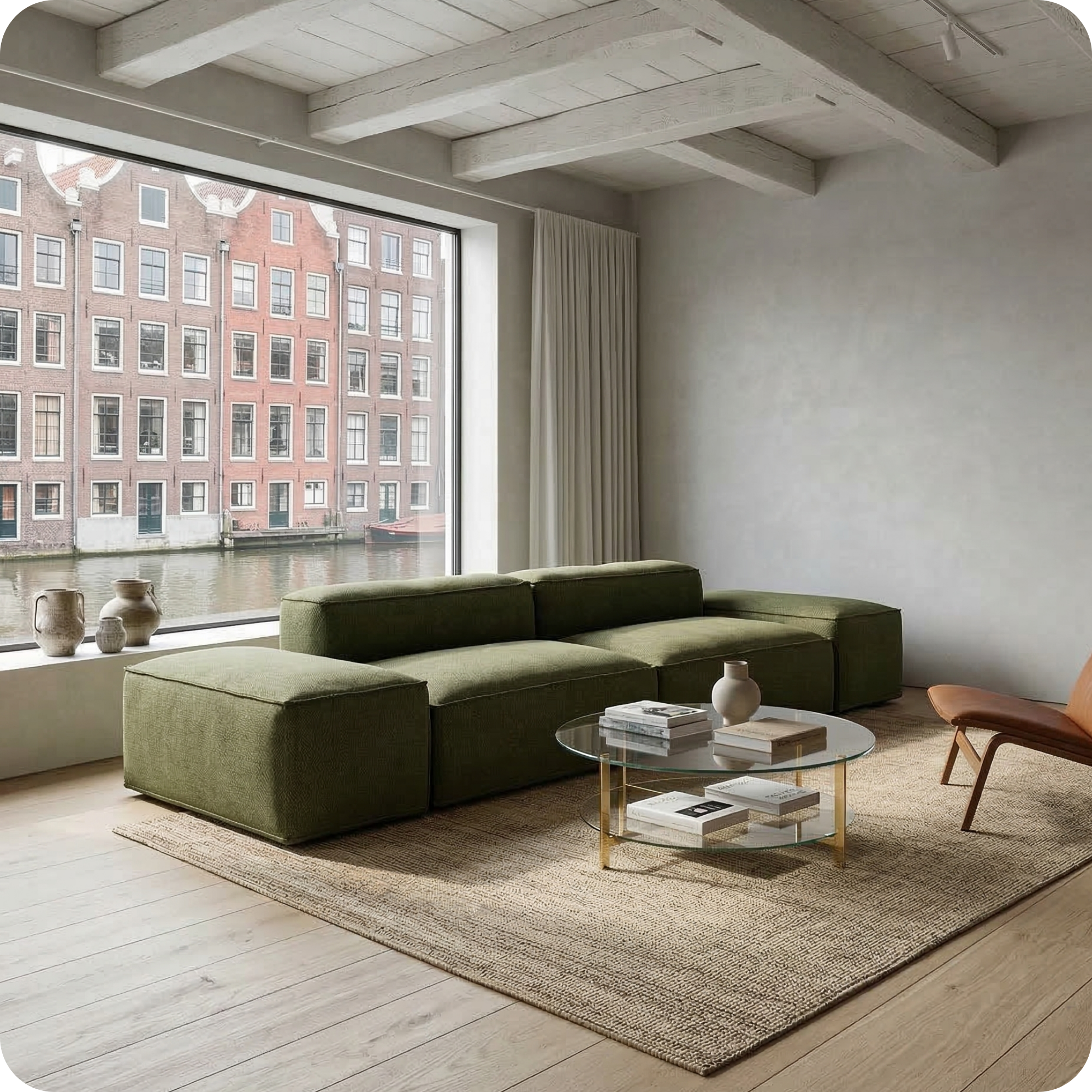
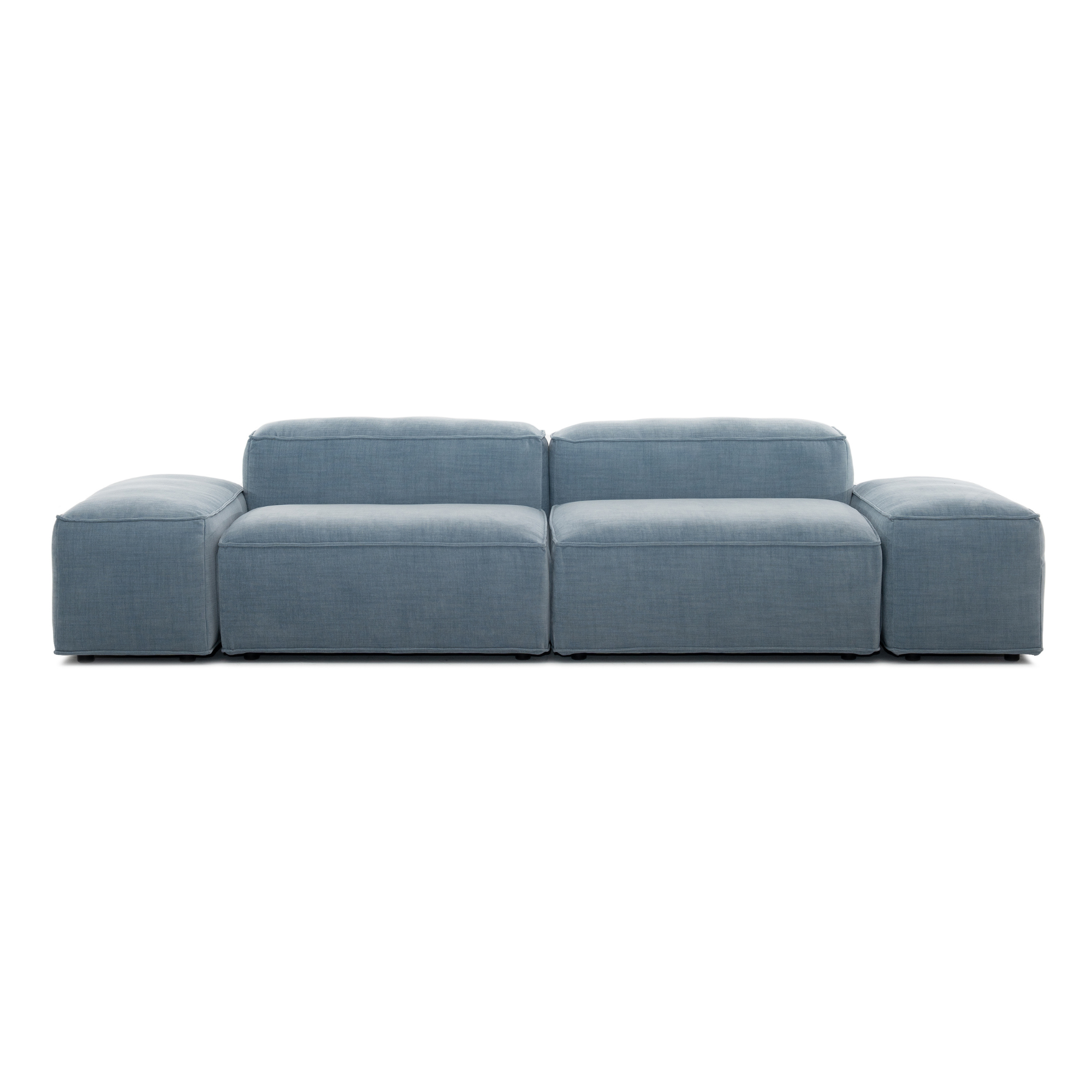
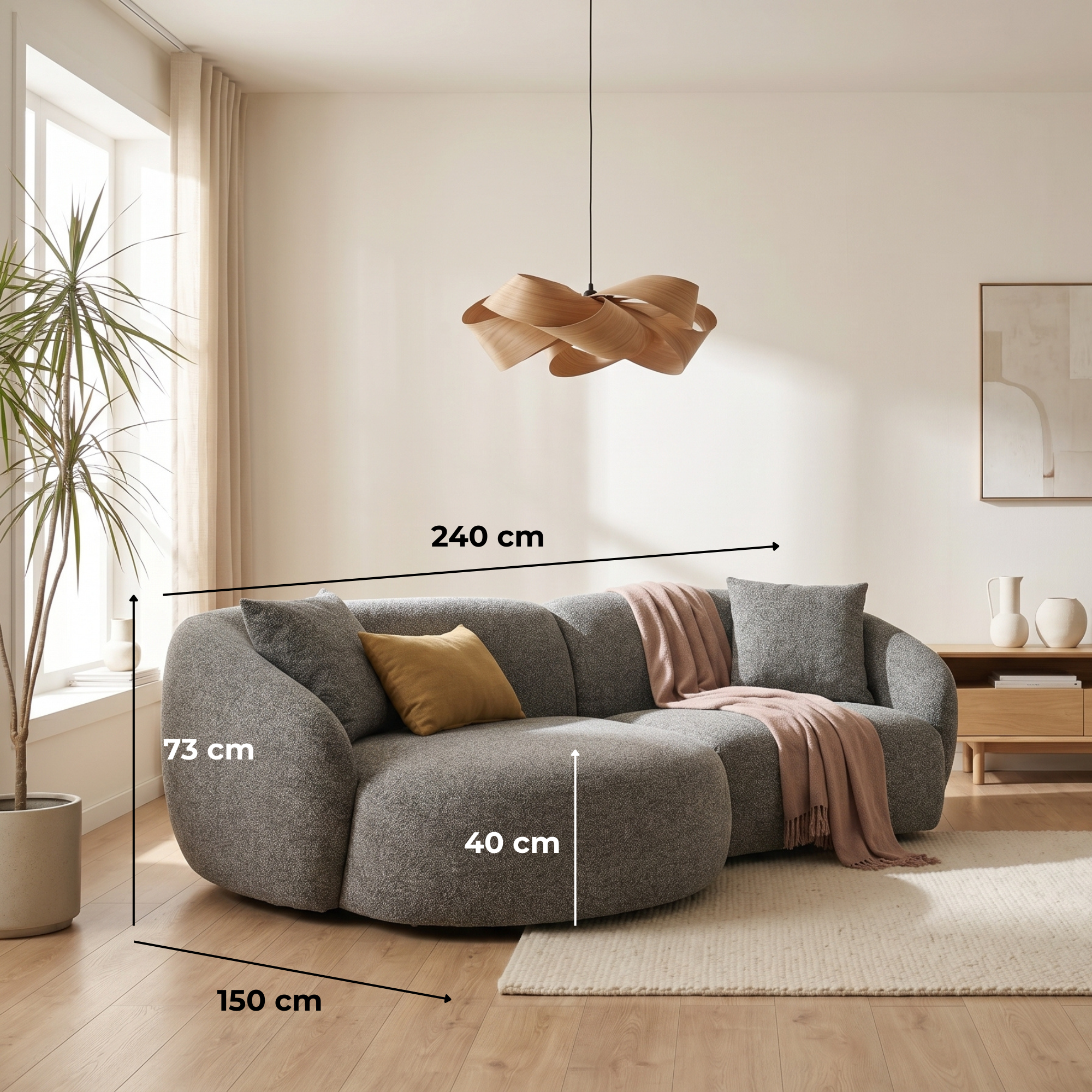
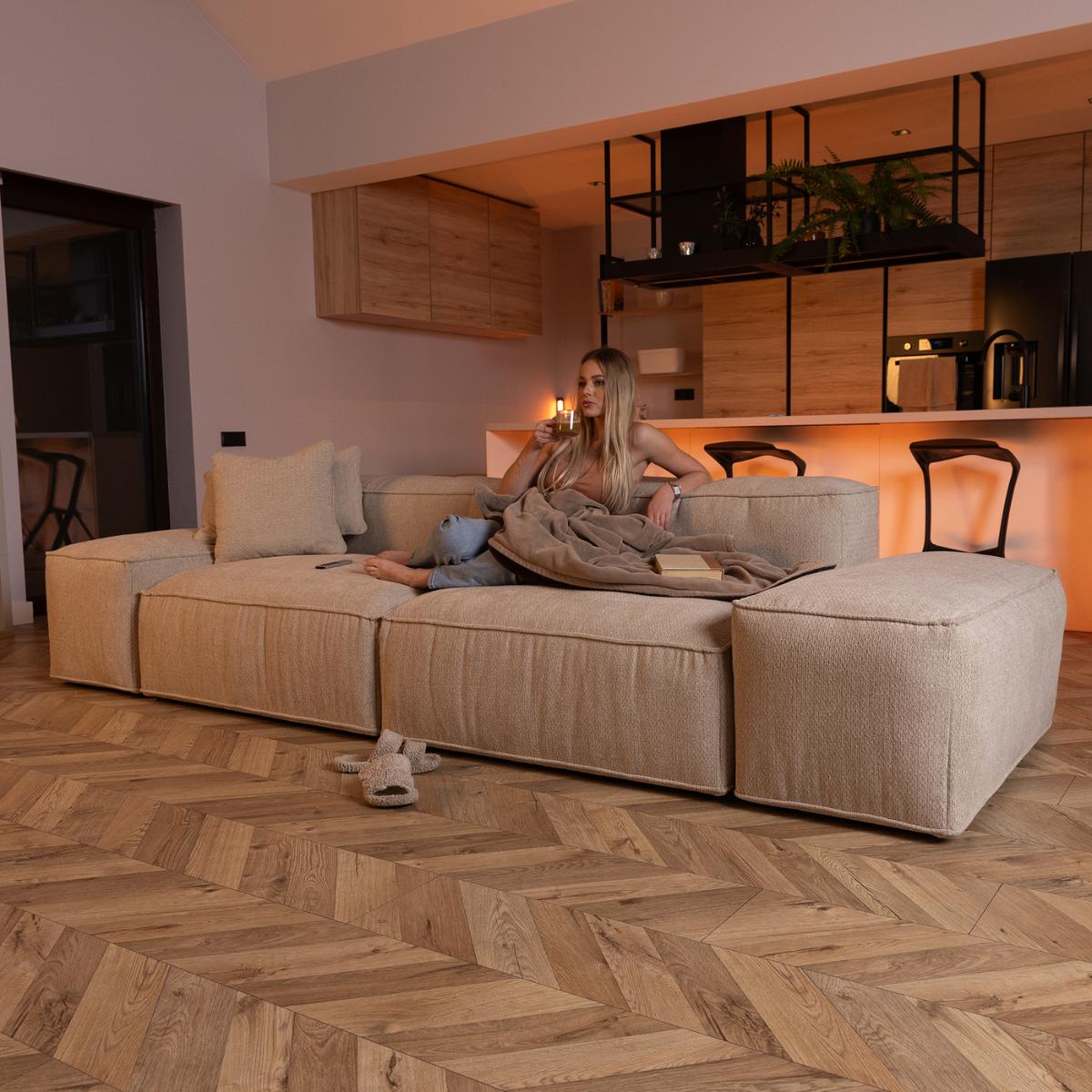
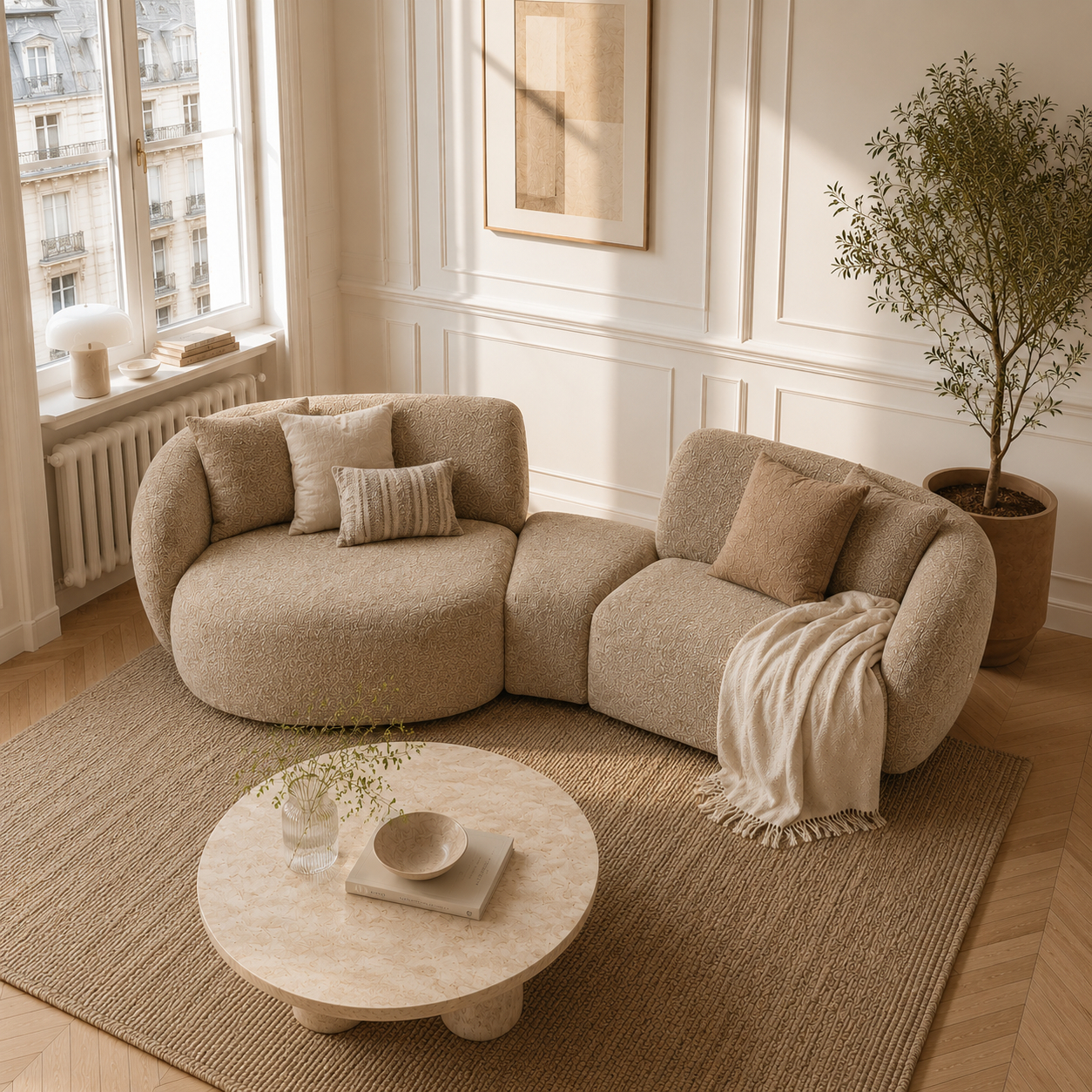
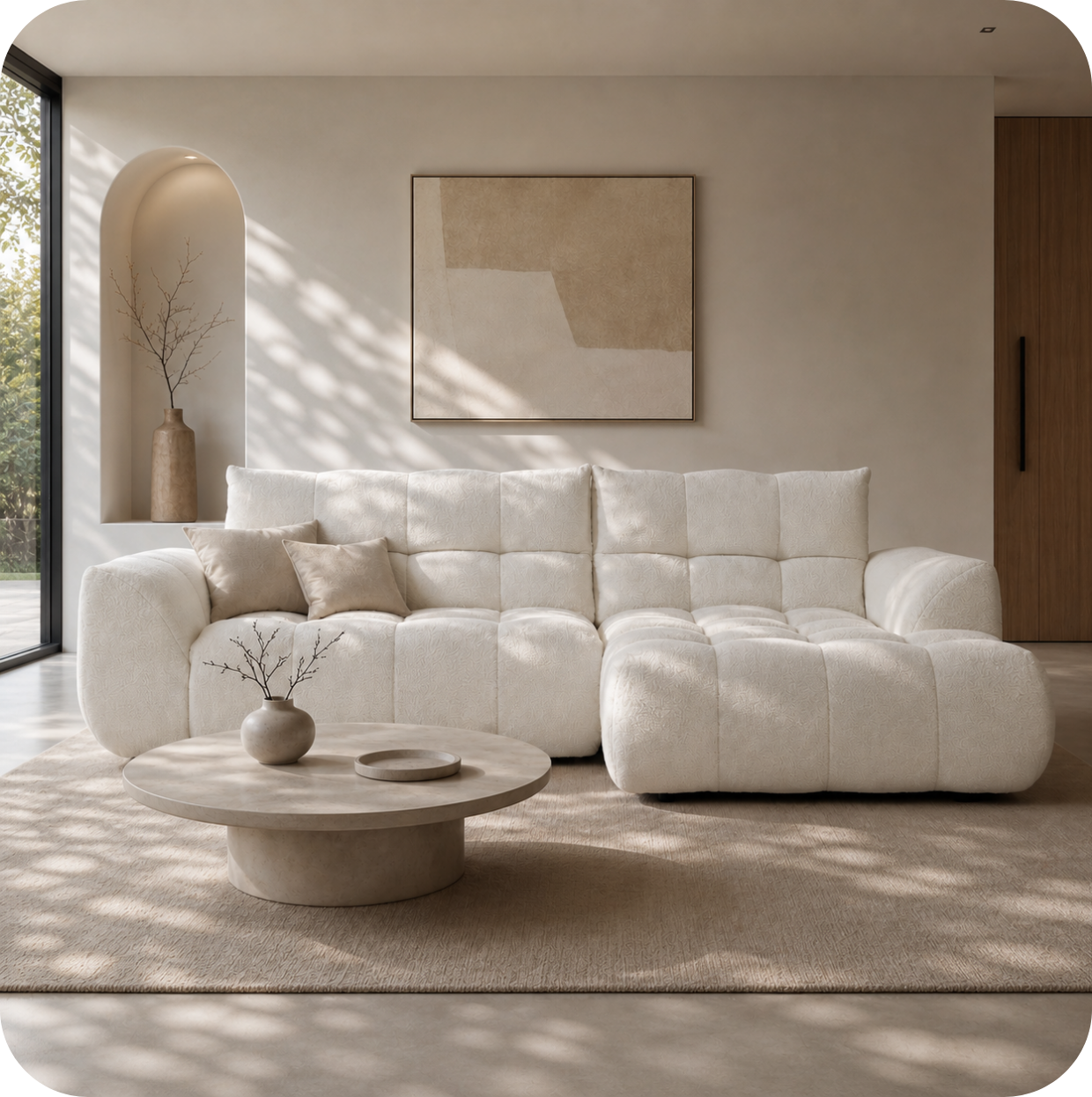
A modular sofa is made up of individual sections — corner pieces, middle sections, end pieces, ottomans, and chaises longues — that can be arranged and rearranged in multiple configurations. The modules connect together and can typically be purchased and added to over time. Modular sofas are most commonly seen in L-shaped and U-shaped configurations, though they can also be arranged in straight lines or more complex shapes.
What Is a Fixed Sofa?
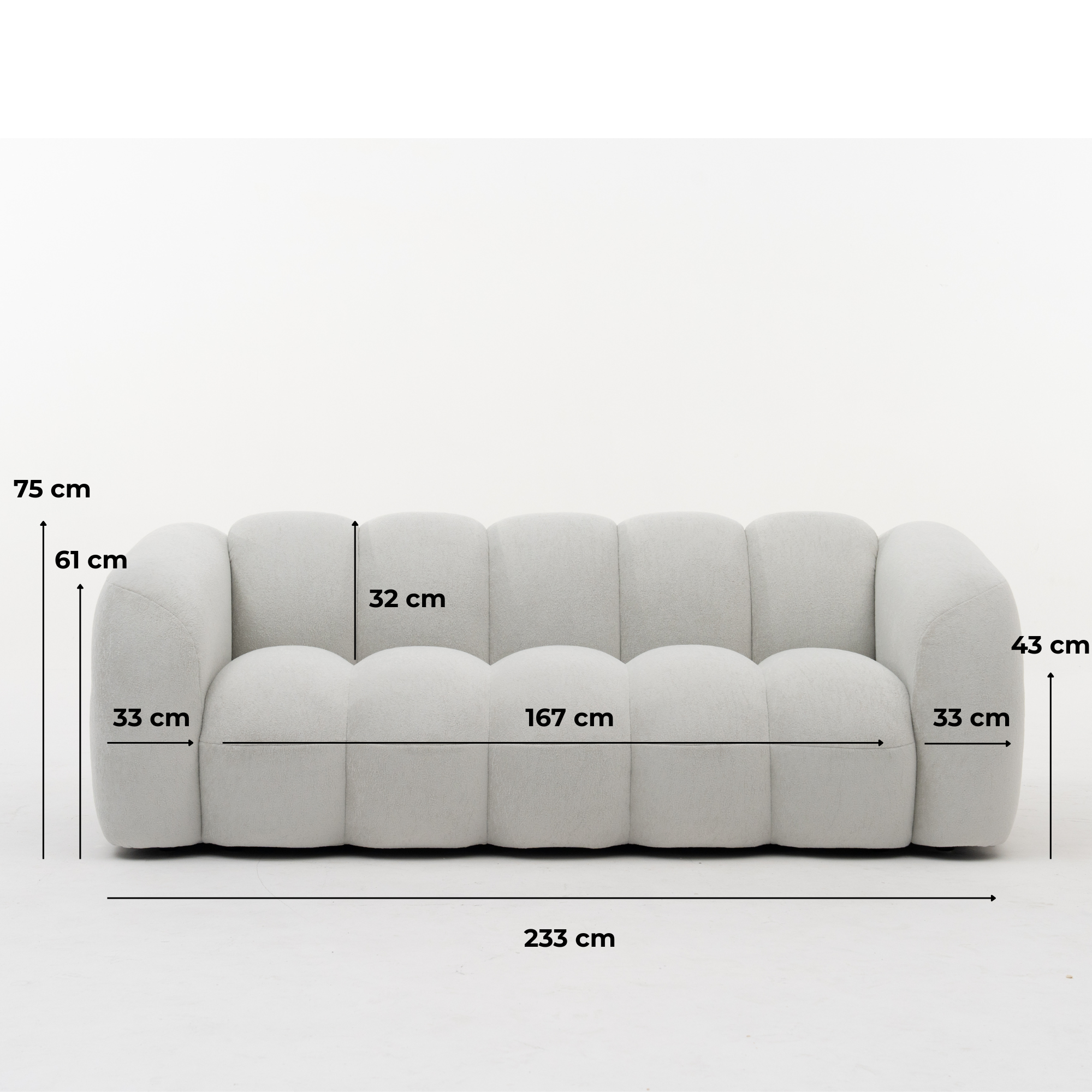
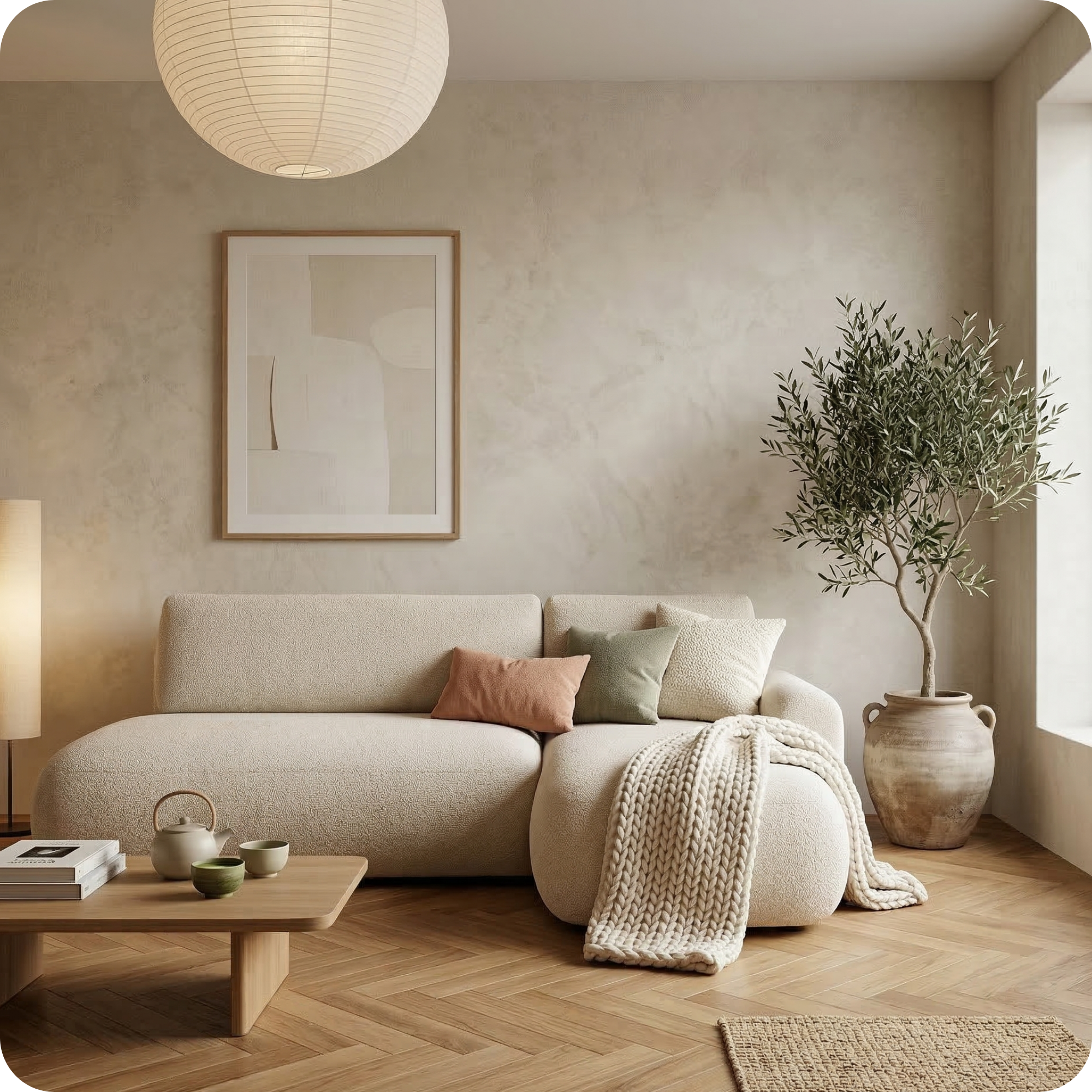
A fixed sofa is a single, pre-configured piece of furniture with a set size and shape — a 2-seater, 3-seater, or specific corner configuration that cannot be altered. Fixed sofas range from compact 2-seaters to large 3-seaters and corner sofas, but the shape is determined at manufacture and cannot be changed.
The Case for Modular Sofas
Modular sofas offer flexibility that fixed sofas simply cannot match. You can reconfigure the layout when you move home or redecorate. You can add modules as your household grows or your needs change — start with a 2-piece and add a corner or ottoman later. They are generally easier to move through narrow doorways and staircases since individual modules are smaller than a full sofa frame. They are ideal for large living rooms where a single fixed sofa would look inadequate and a U-shape or large L-shape is needed. The ability to change the configuration — moving the chaise from left to right, for instance — is also a major practical advantage.

Modular Sofas at Furni — from €990
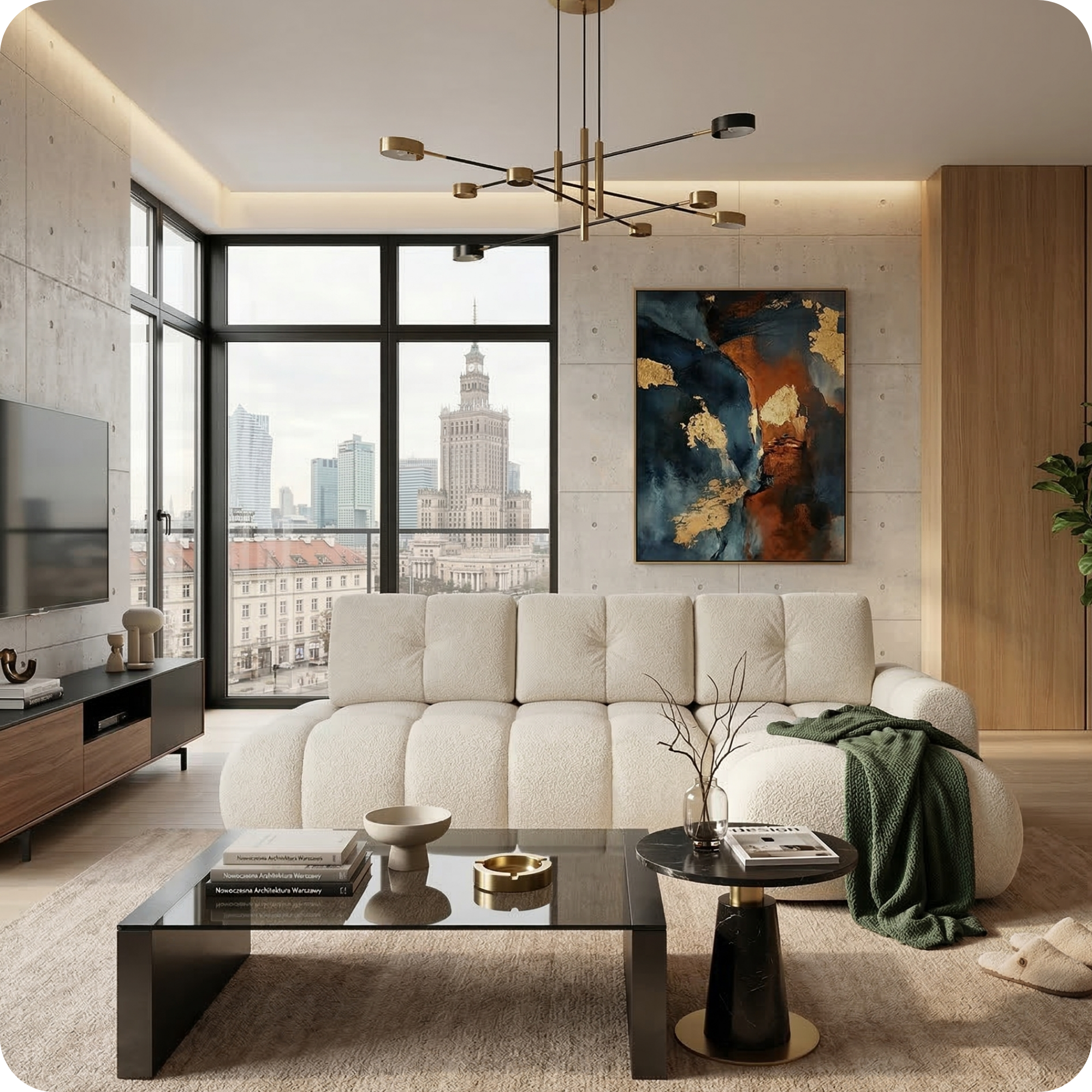
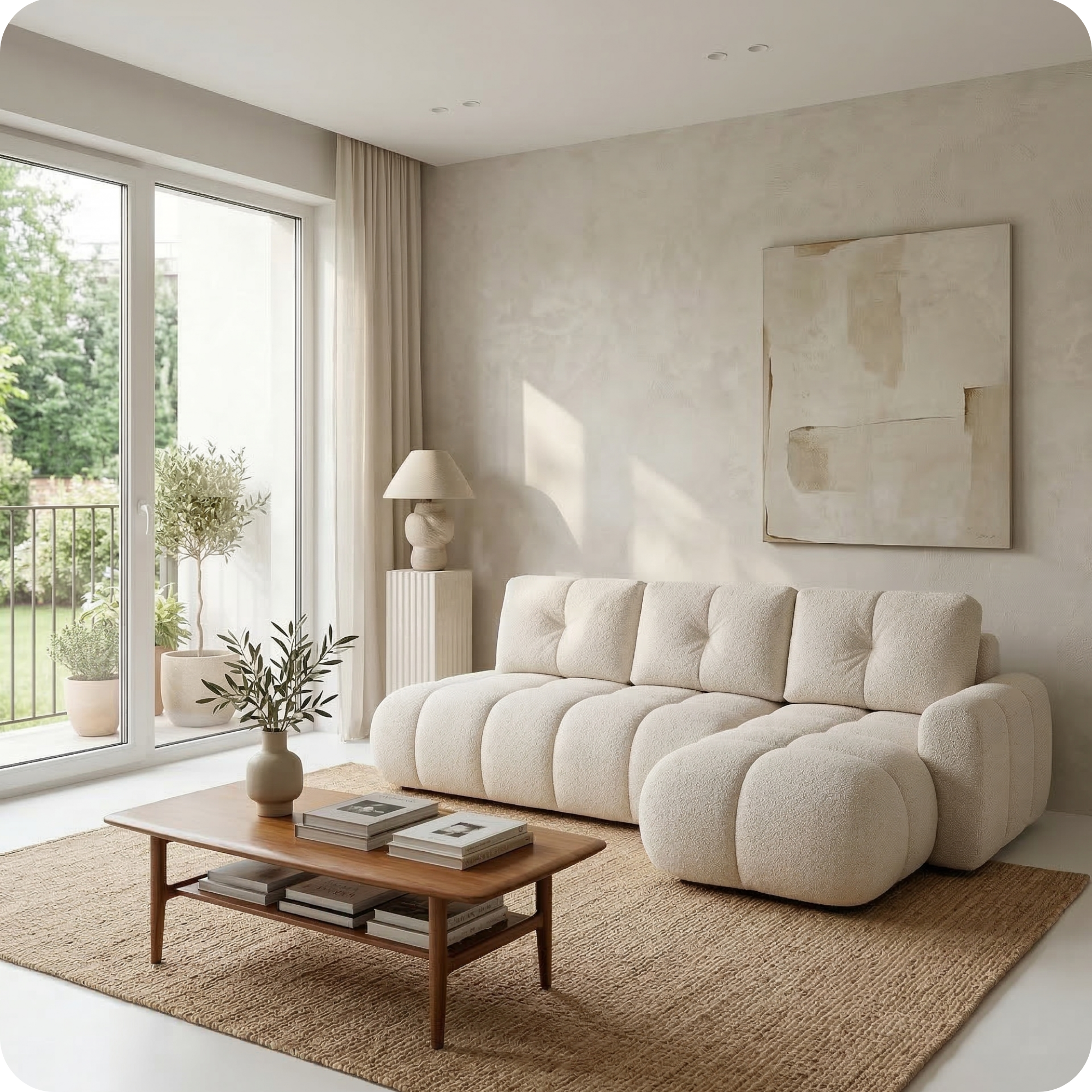
Furni's modular sofas are designed for flexibility: configure as a straight sofa today, add a corner section next year, reconfigure if you move. The modular system means your sofa adapts to your home rather than the other way around. Explore the full modular range to find your ideal configuration.

Riva 3-Seater Sofa — from €999
The Riva is a beautifully resolved fixed sofa — compact, versatile, and with a built-in pull-out bed for guest use. Fixed sofas like the Riva suit rooms where the layout is established and unlikely to change, and where a clean, single-piece profile is preferred over a modular system.
The Case for Fixed Sofas
Fixed sofas often have a cleaner, more resolved visual profile than modular alternatives — they look like a single designed object rather than a system of components. They are typically available in a wider range of styles, fabrics, and sizes at the same price point. They tend to have a more consistent cushion height and seat depth across the entire sofa since there are no join points between modules. They are generally simpler to clean and maintain since there are no gaps at module join points where crumbs and small objects accumulate. For smaller living rooms where a 2- or 3-seater is sufficient, a fixed sofa is usually the better value proposition.
Key Considerations When Choosing
Living room size: modular sofas generally suit larger rooms (from about 20m² upward); fixed sofas work well in rooms of all sizes. Moving frequency: if you move home regularly, a modular sofa's flexibility in configuration and transport is a significant advantage. Future household changes: expecting to grow your household or host overnight guests regularly? A modular system that can expand, or a fixed sofa with a pull-out bed, are both worth considering. Budget: modular sofas typically cost more for equivalent seating capacity but offer better long-term value for flexible living situations. Visual preference: if you prefer a clean, designed single-object look, fixed sofas generally deliver this more reliably.
The Hybrid Option
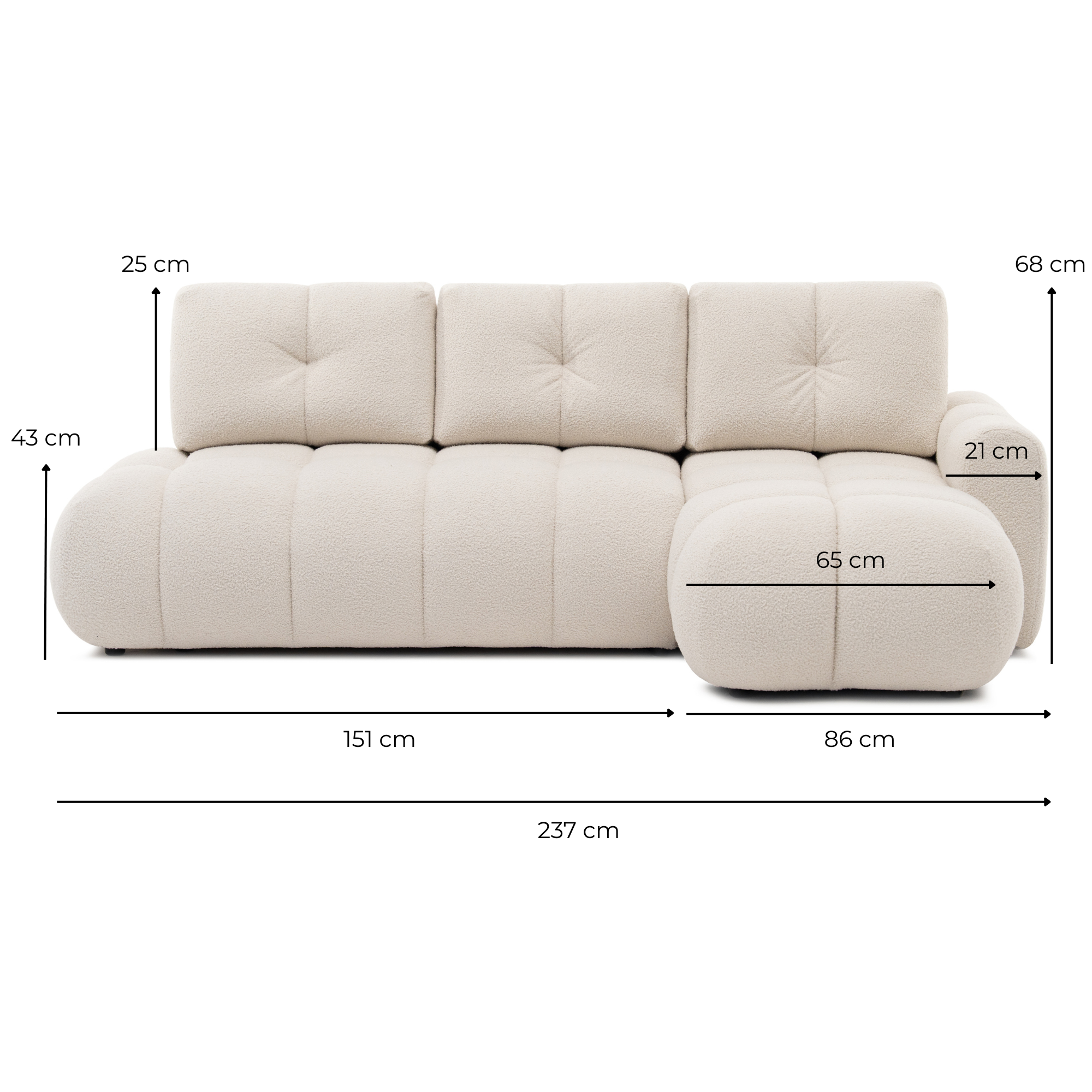
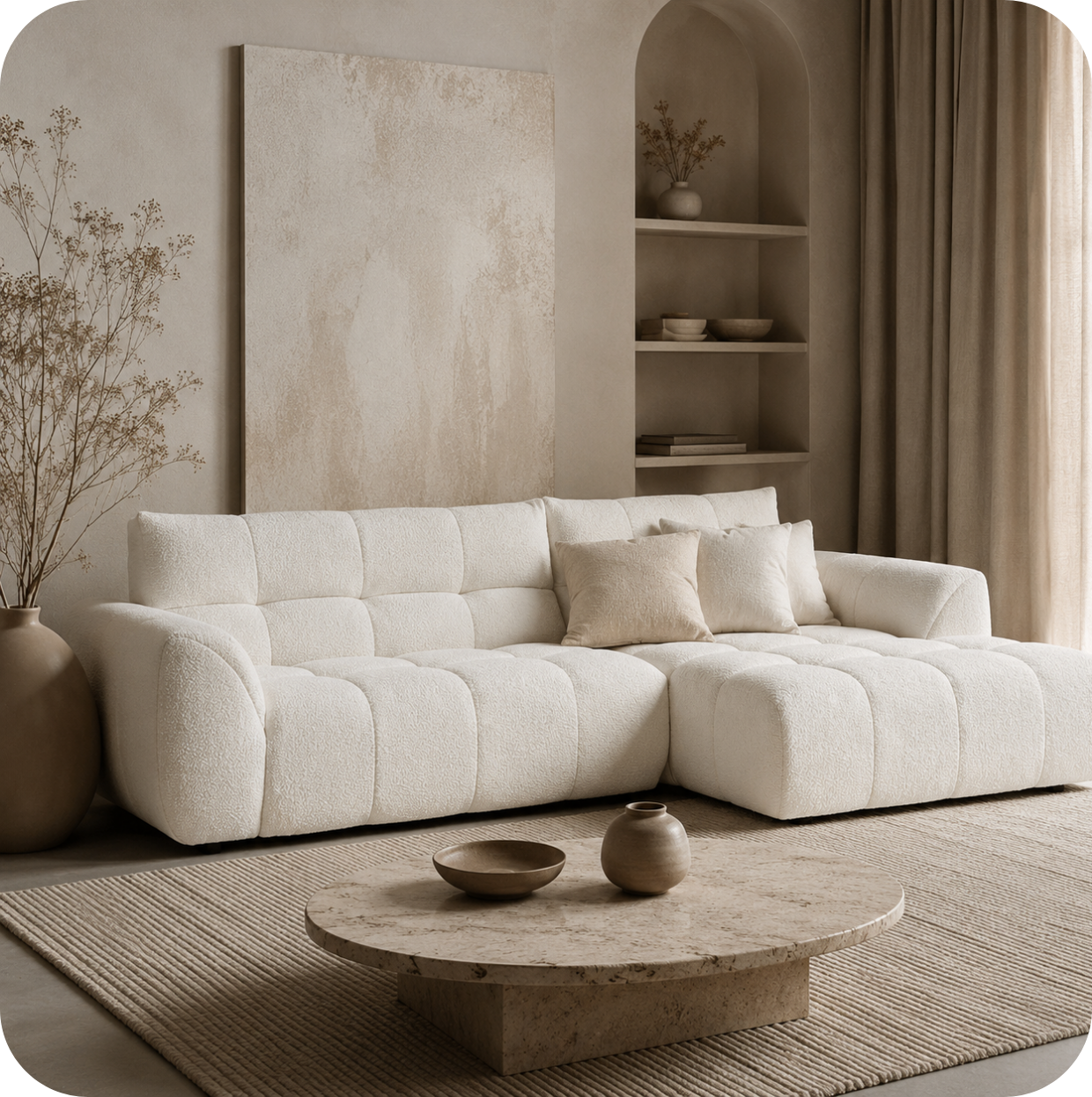
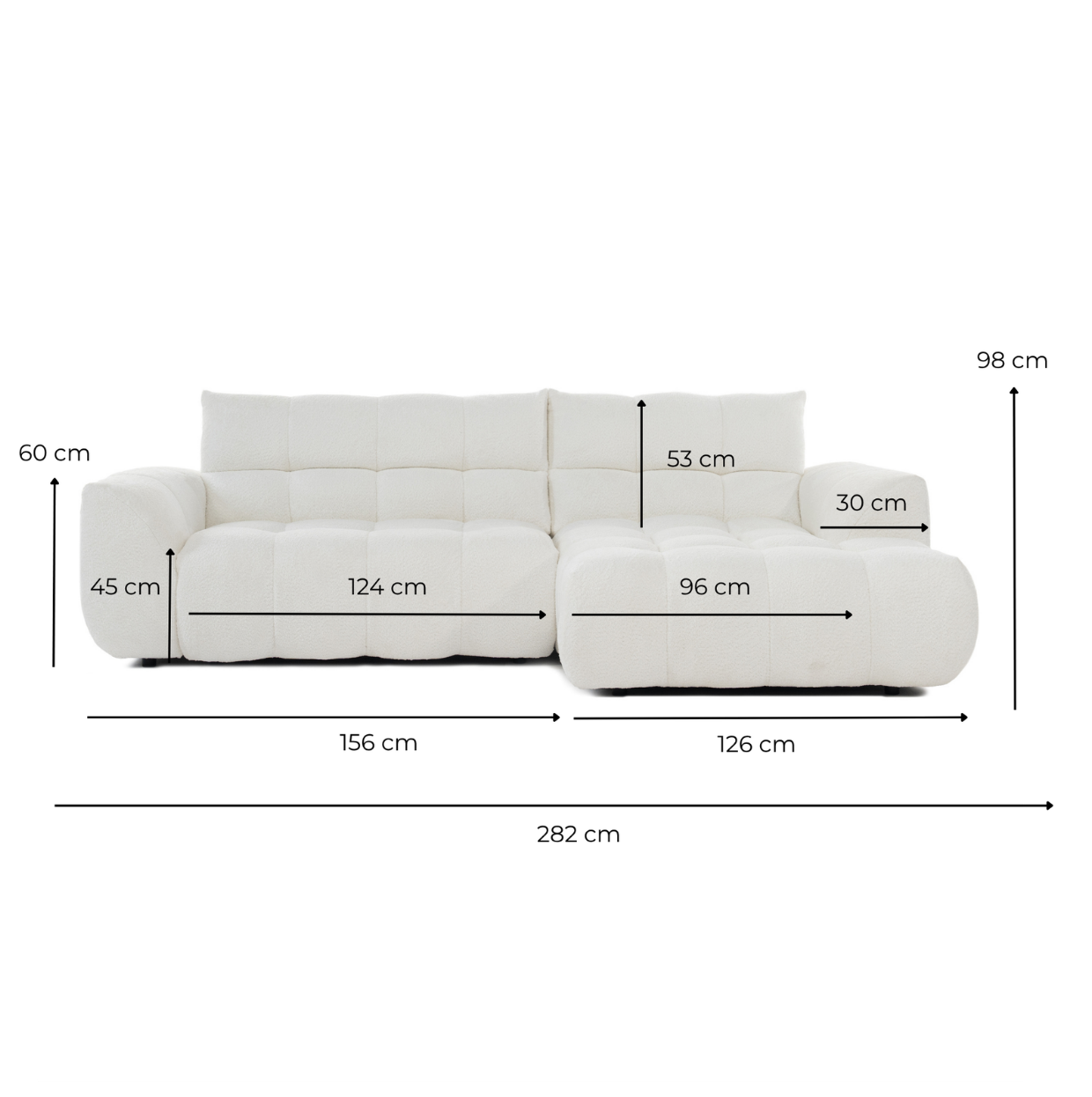
Some ranges offer a middle path: a fixed corner or L-shaped sofa where the chaise can be attached to either the left or right side, but the overall shape cannot otherwise be changed. This gives limited flexibility at a lower price premium than a fully modular system and is ideal for households that simply need to choose a configuration orientation without requiring full reconfigurability.