


Open Plan Living Room Ideas: How to Zone and Style an Open-Plan Space
Open-plan living — the integration of the kitchen, dining, and living areas into a single, unified space — has been one of the most dominant trends in residential architecture and interior design for the past twenty years. The appeal is clear: open-plan spaces feel larger, airier, and more sociable than divided room layouts. They allow natural light to travel further across the footprint, create a sense of connection between household members engaged in different activities, and work particularly well with contemporary kitchen design where the kitchen becomes a showcase rather than a service room. However, open-plan spaces present their own set of design challenges — primarily around creating definition between different functional zones without the structural clarity that walls provide.
Zoning an Open-Plan Space
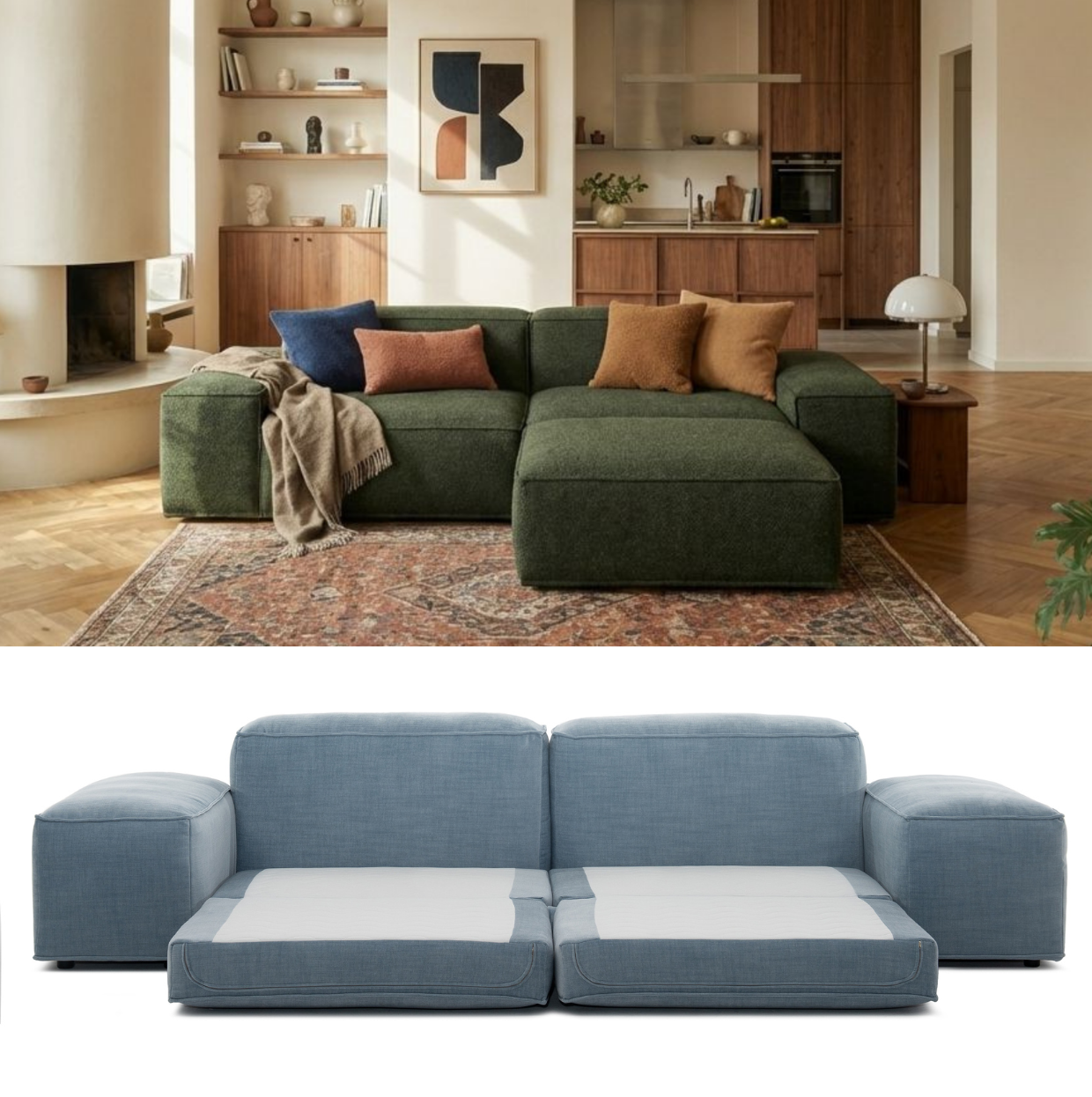
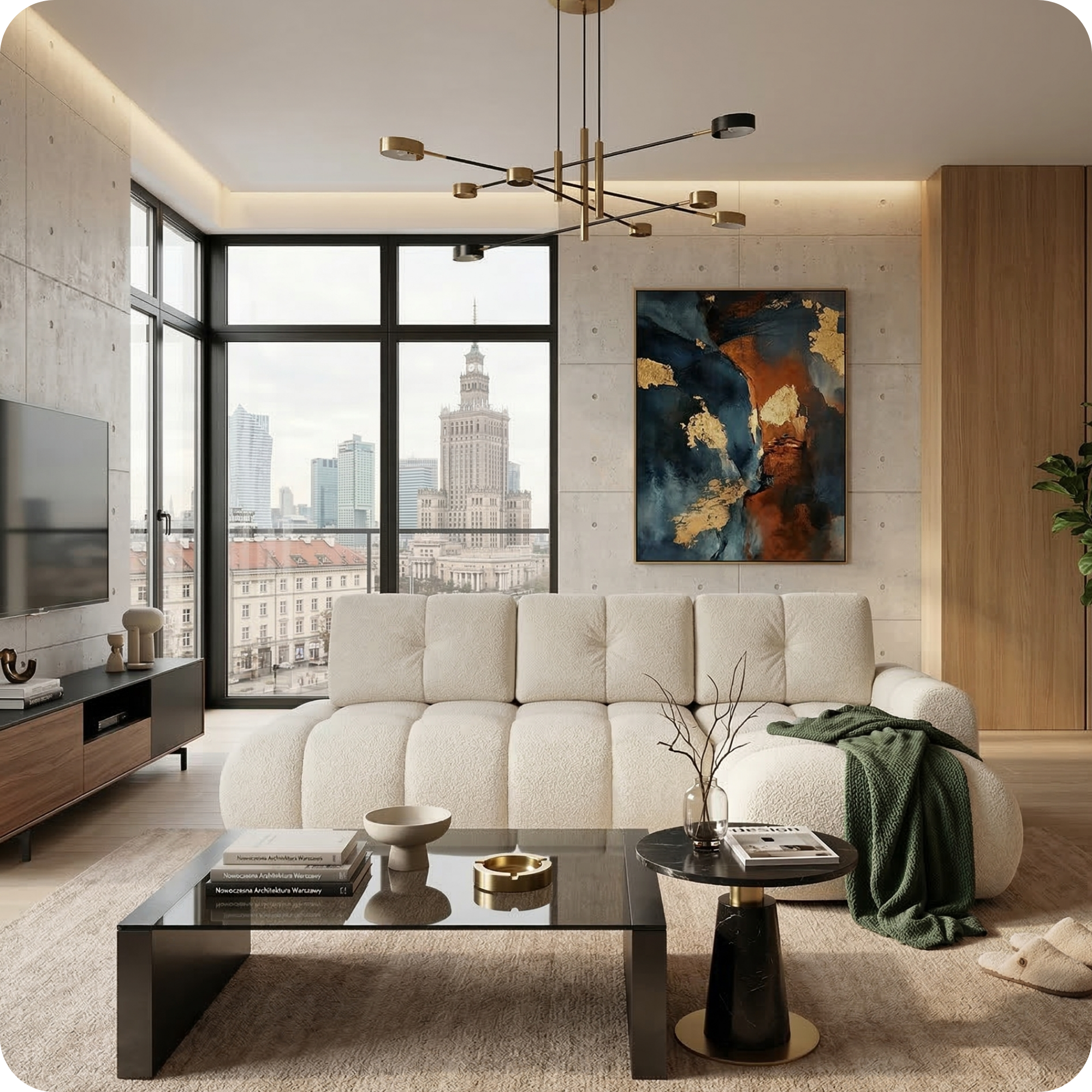
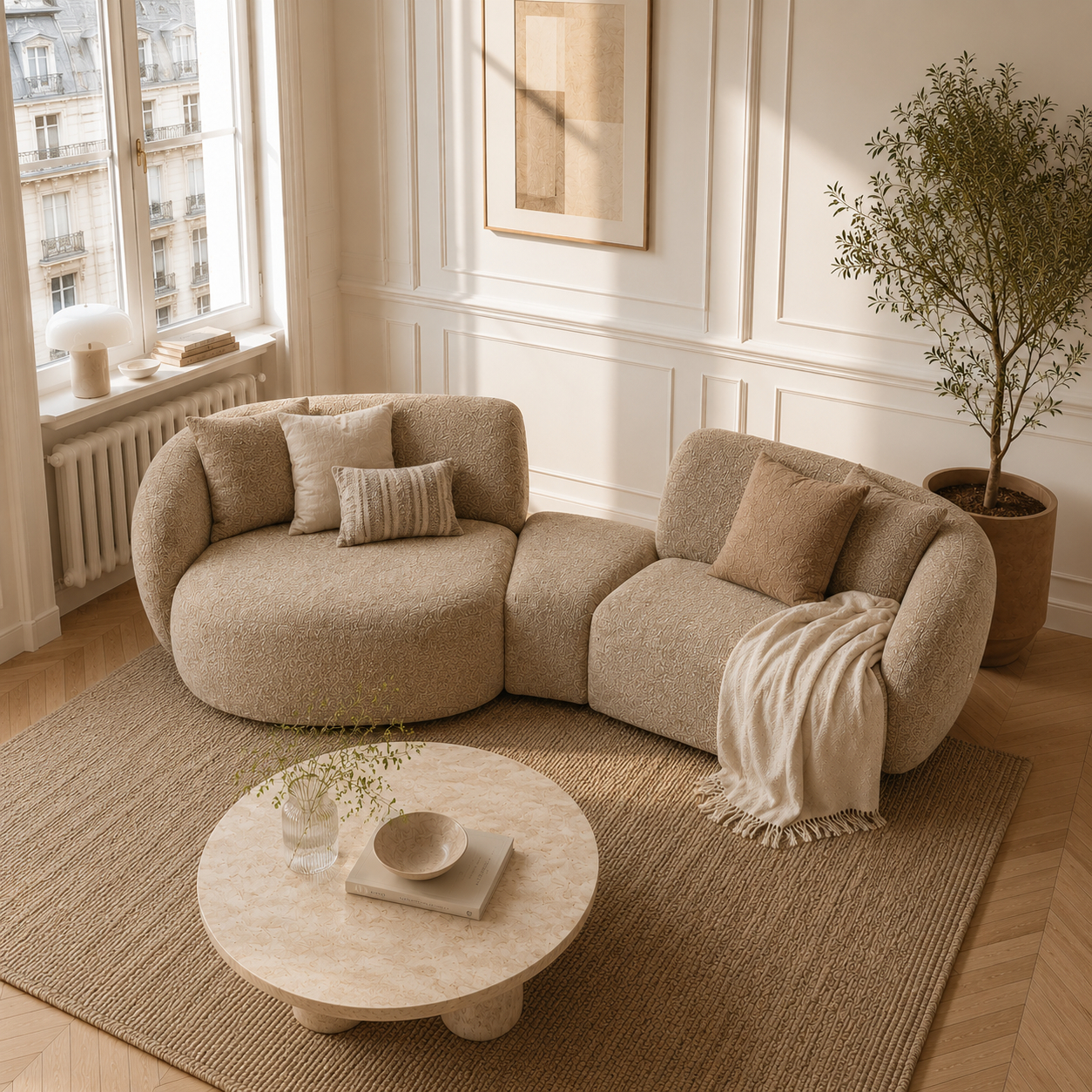
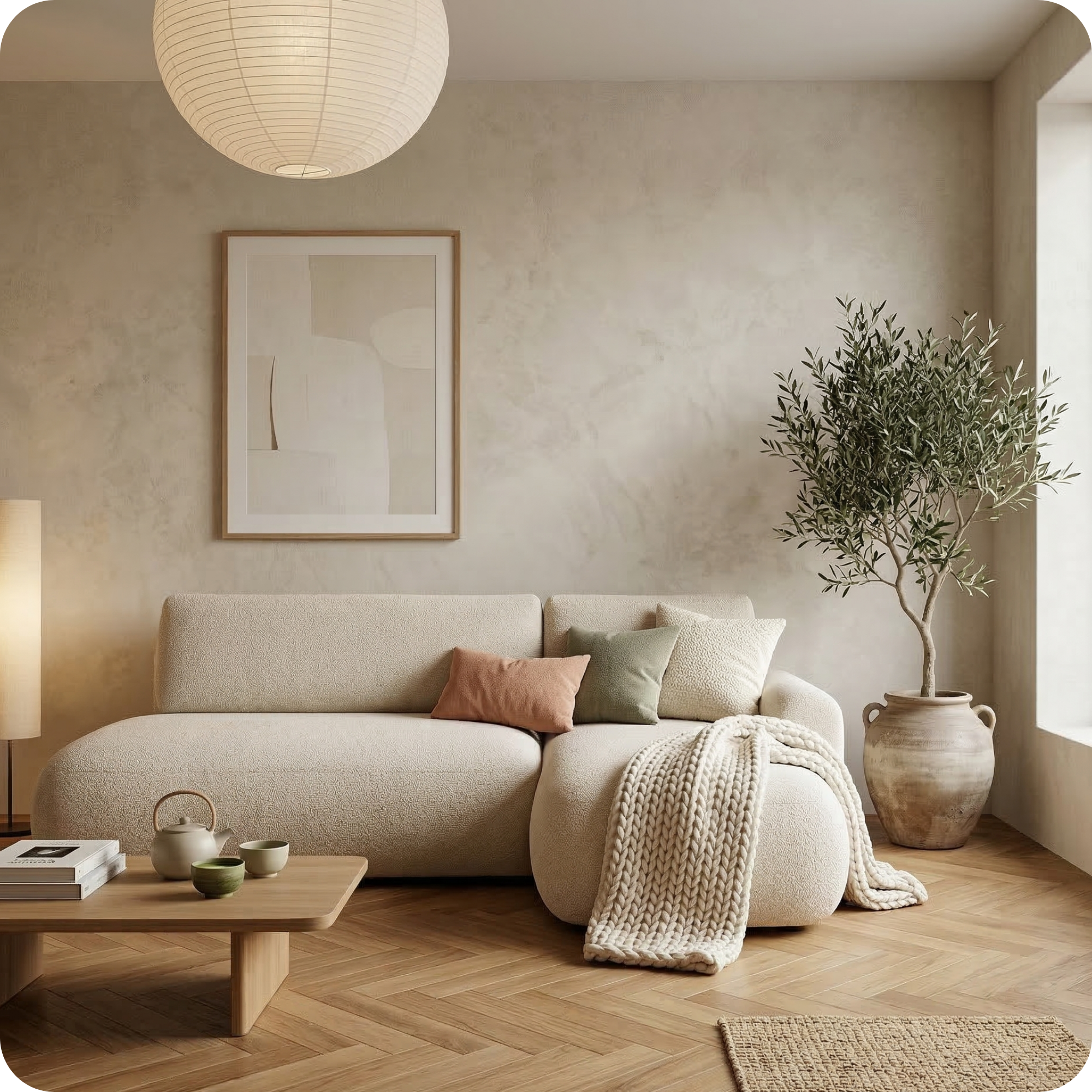
The most important principle in open-plan design is creating clear zones — distinct areas that each have a defined purpose — while maintaining visual coherence across the whole space. The most powerful zoning tool is the area rug: a well-placed rug defines the living area footprint as clearly as a set of walls, without enclosing it. Place a large rug (the bigger the better in an open-plan space) under the sofa and coffee table grouping to establish the living zone's boundary. The sofa itself is the second most powerful zoning tool — in open-plan spaces, sofas are frequently positioned with their backs to the kitchen or dining area, facing away from it, creating a clear directional orientation that psychologically separates the zones. Lighting also zones effectively — a distinctive pendant over the dining table, a floor lamp and sofa arrangement in the living area, and under-cabinet task lighting in the kitchen create three separate light atmospheres within the same space.

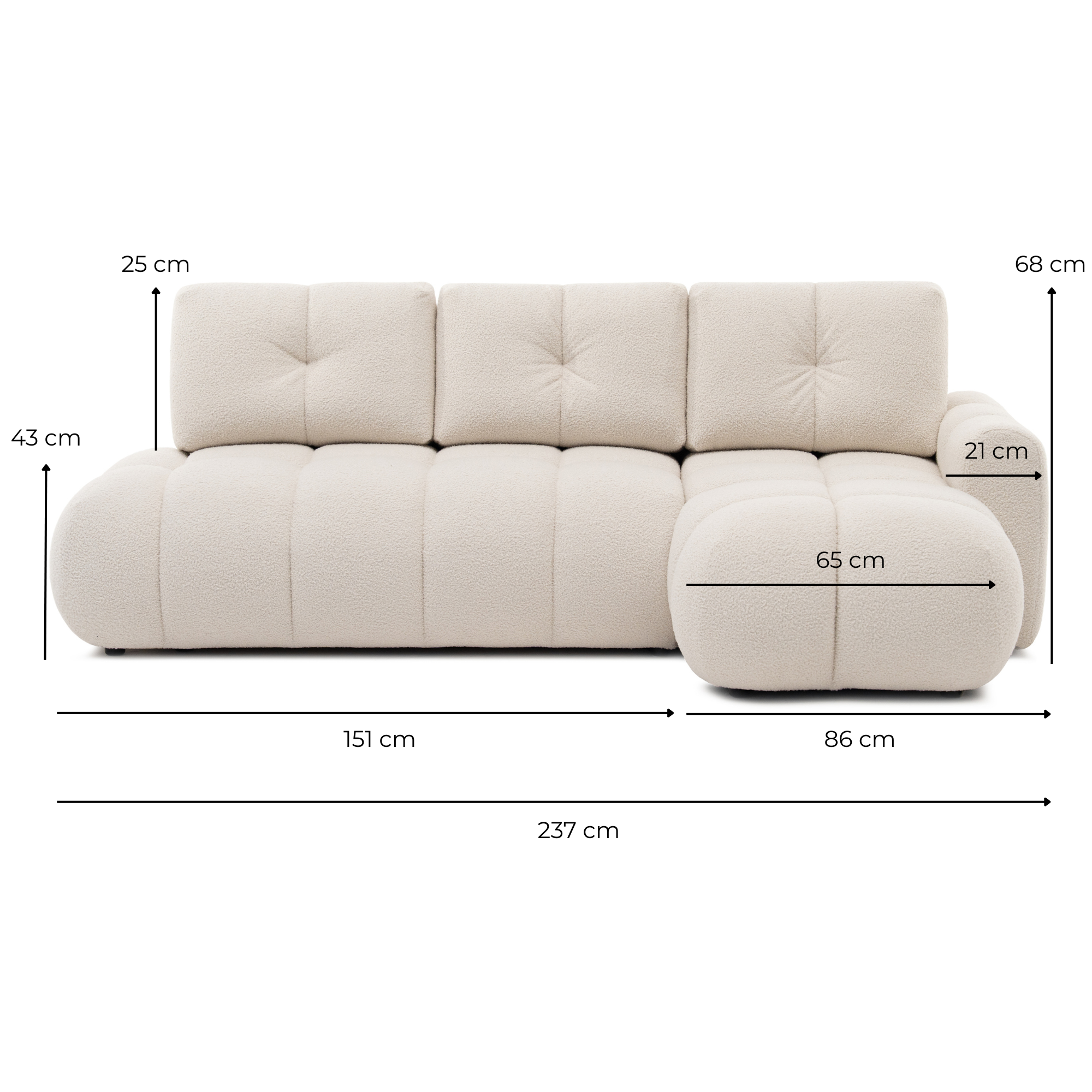
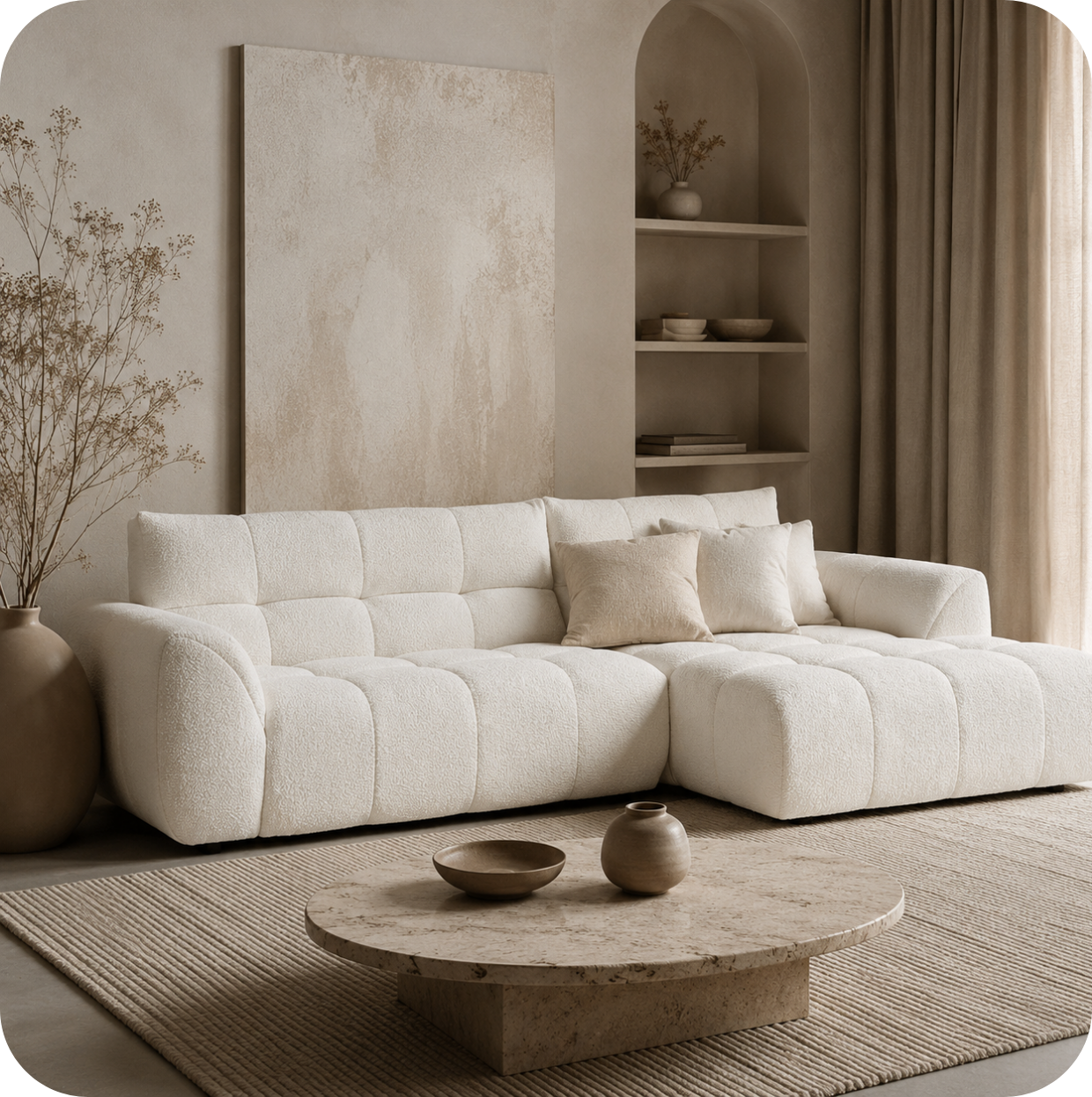
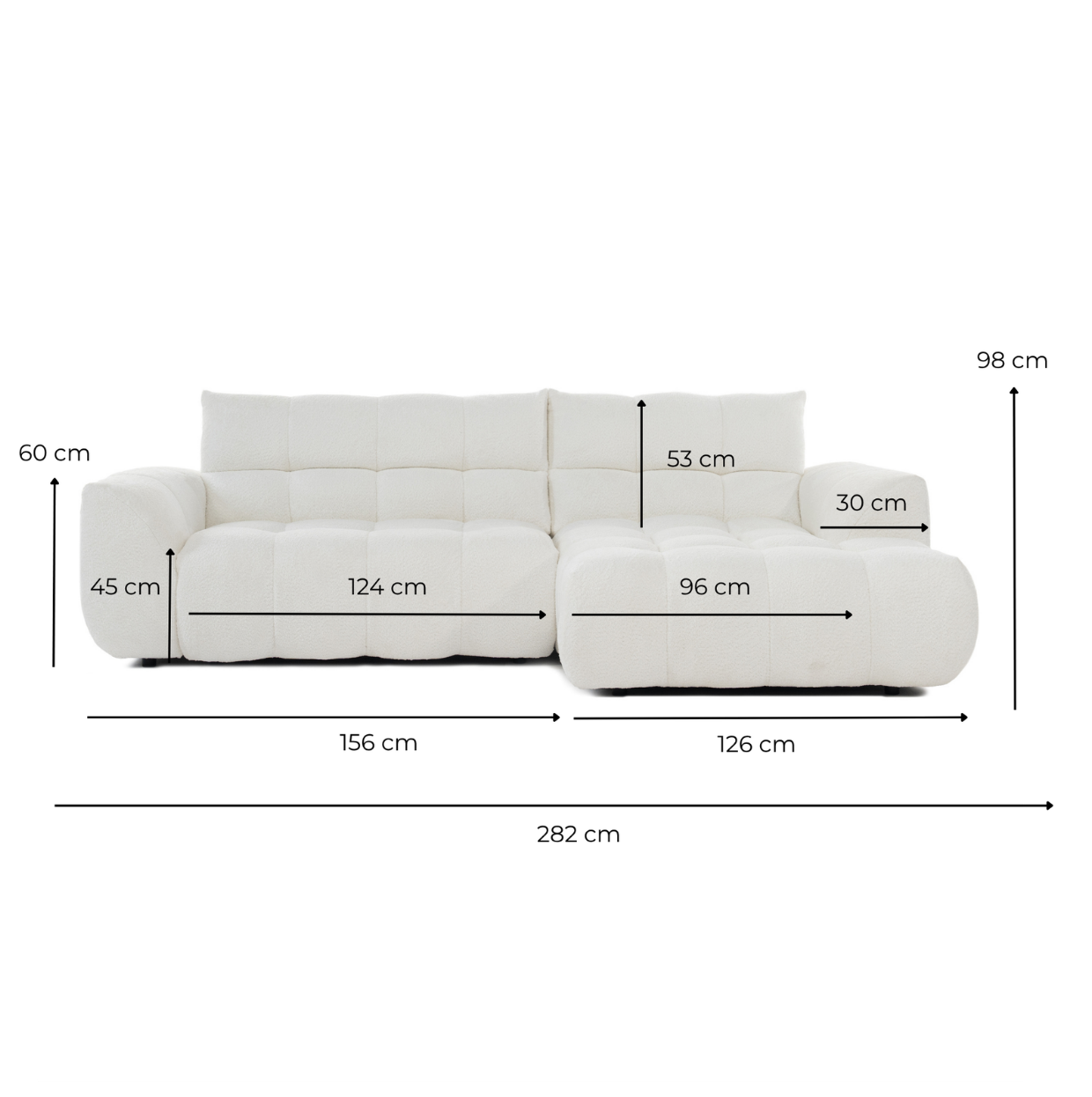
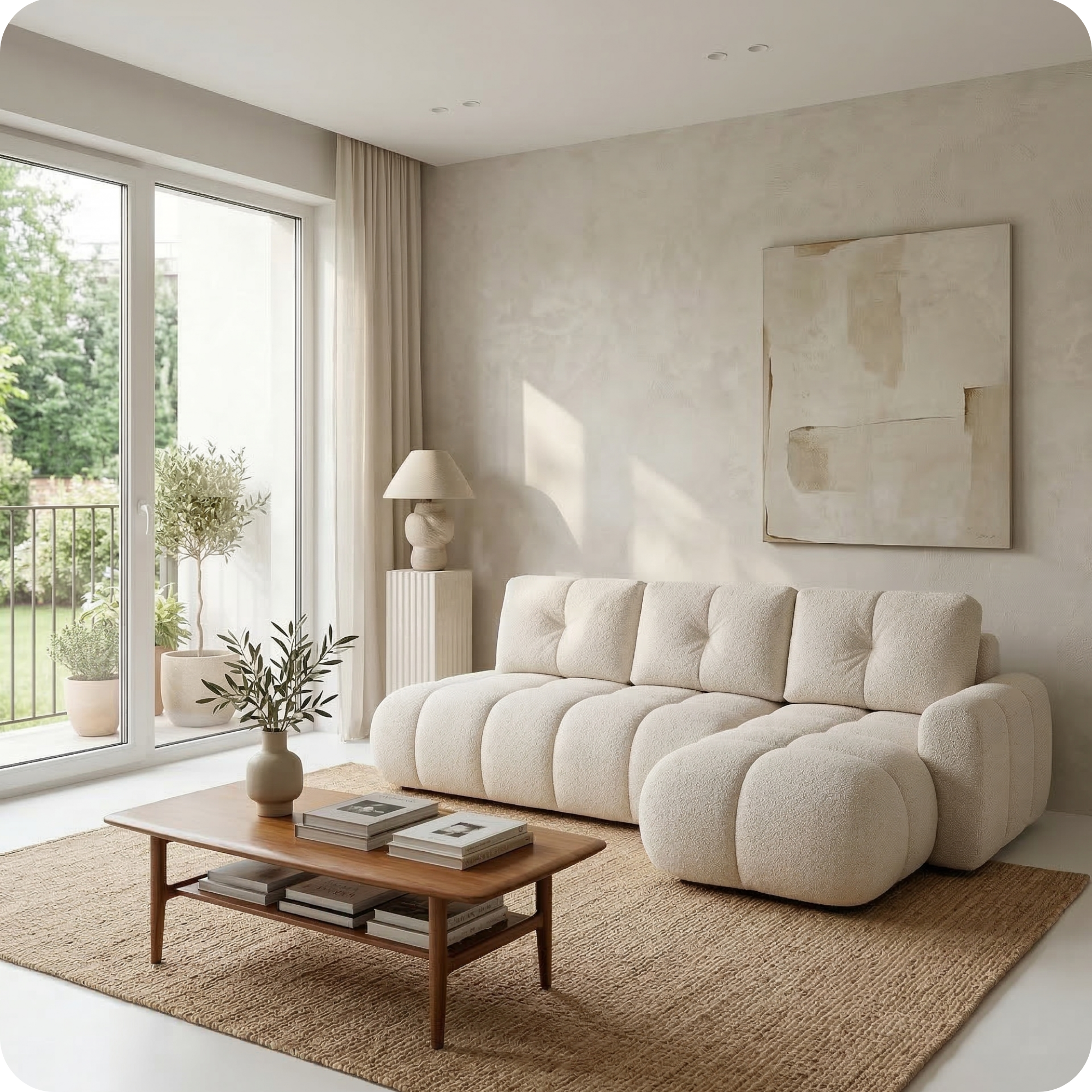
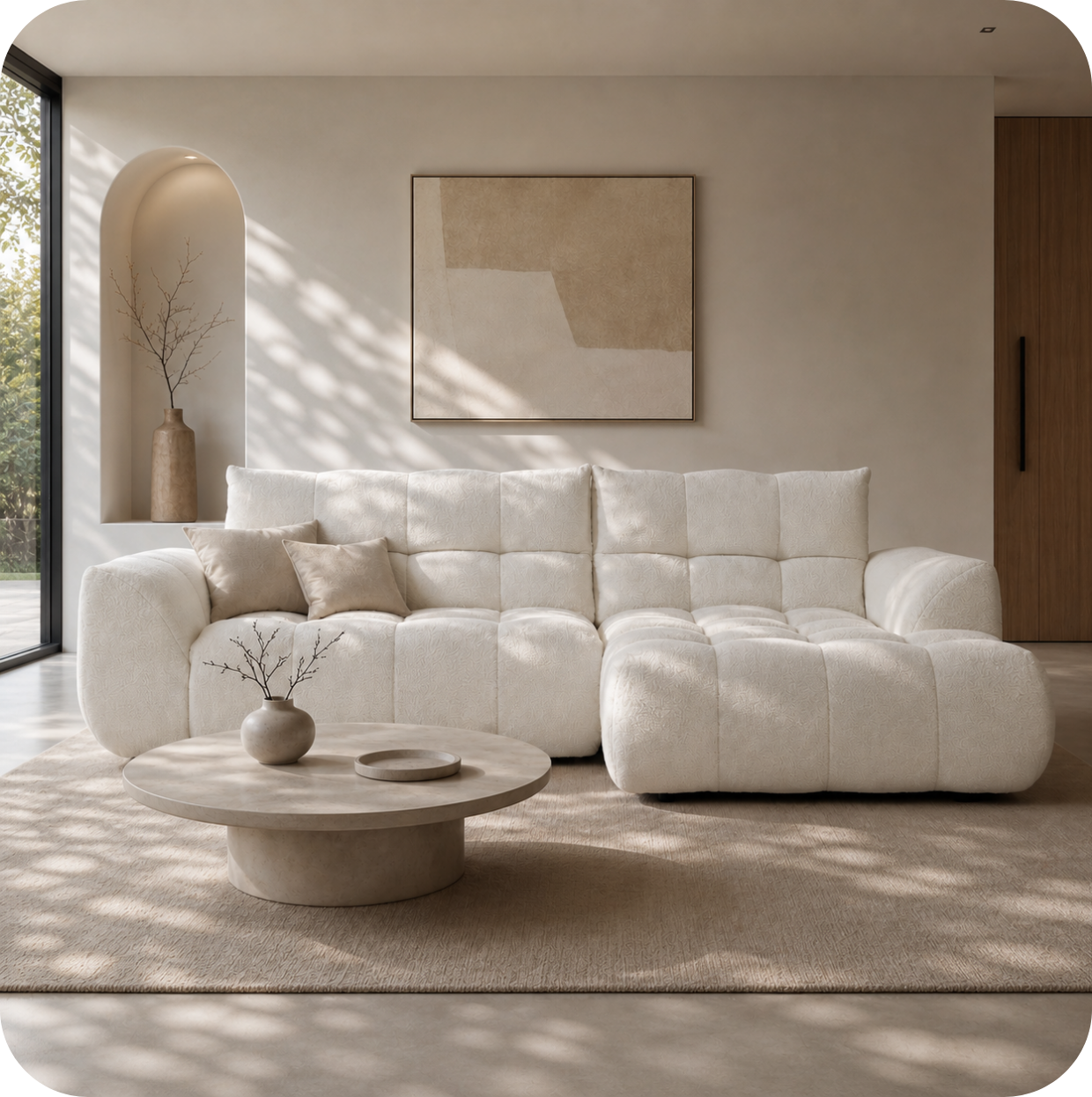
Merlot Corner Sofa — from €1,913
In an open-plan space, a corner sofa like the Merlot is ideal: its L-shape naturally defines a living zone and creates a clear visual boundary between the seating area and the rest of the space. Position with the back facing the kitchen or dining zone, and place a large rug under the full footprint to anchor the arrangement.

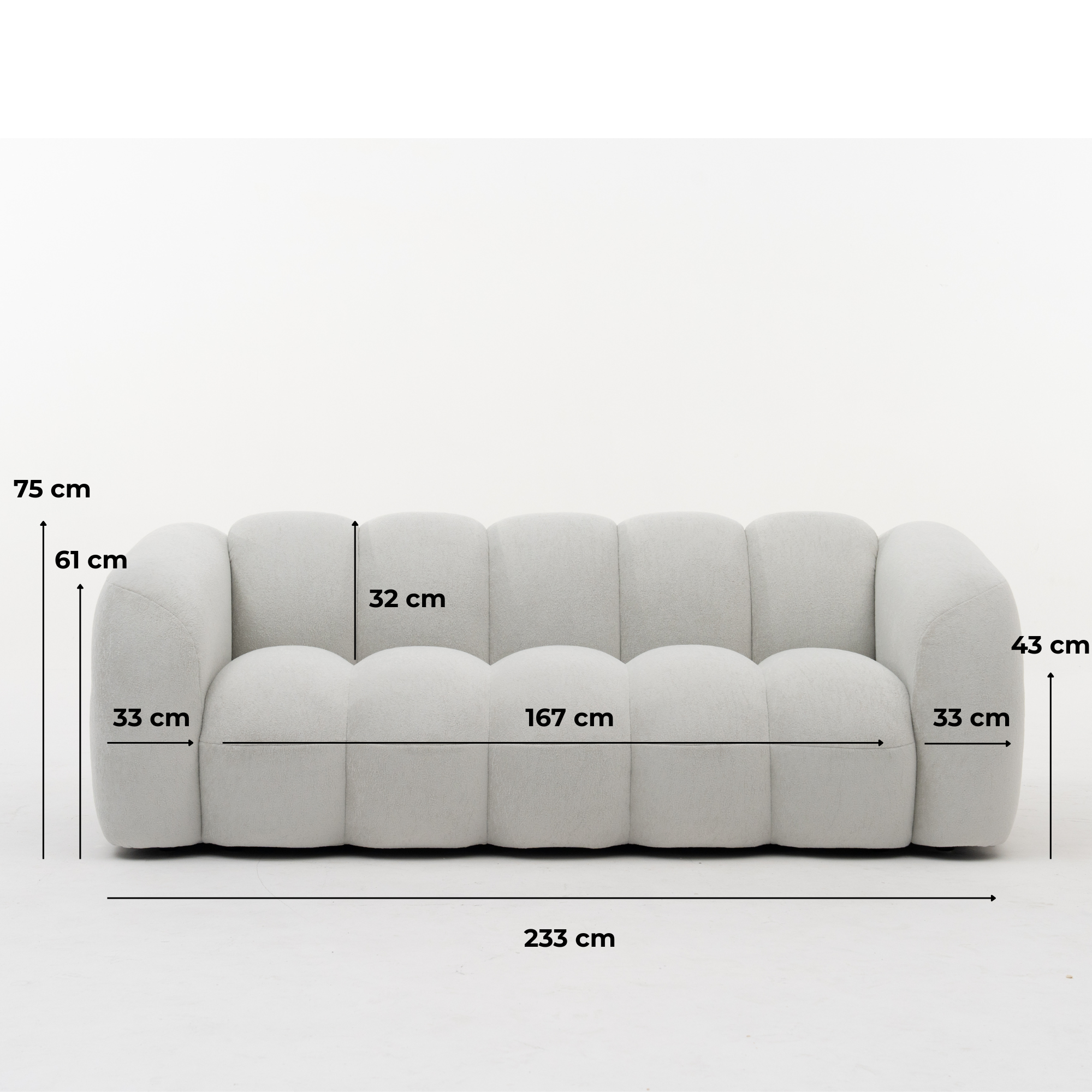
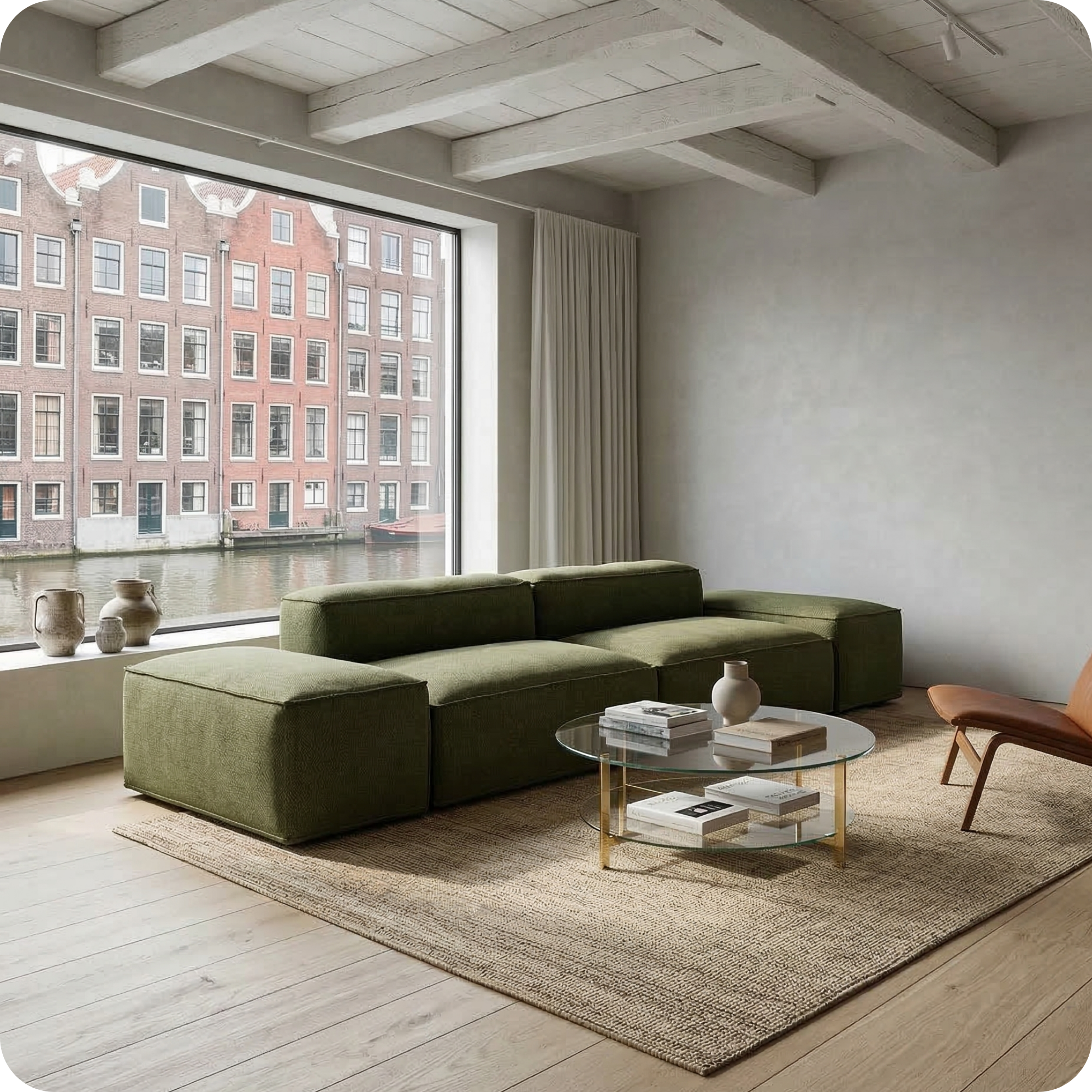
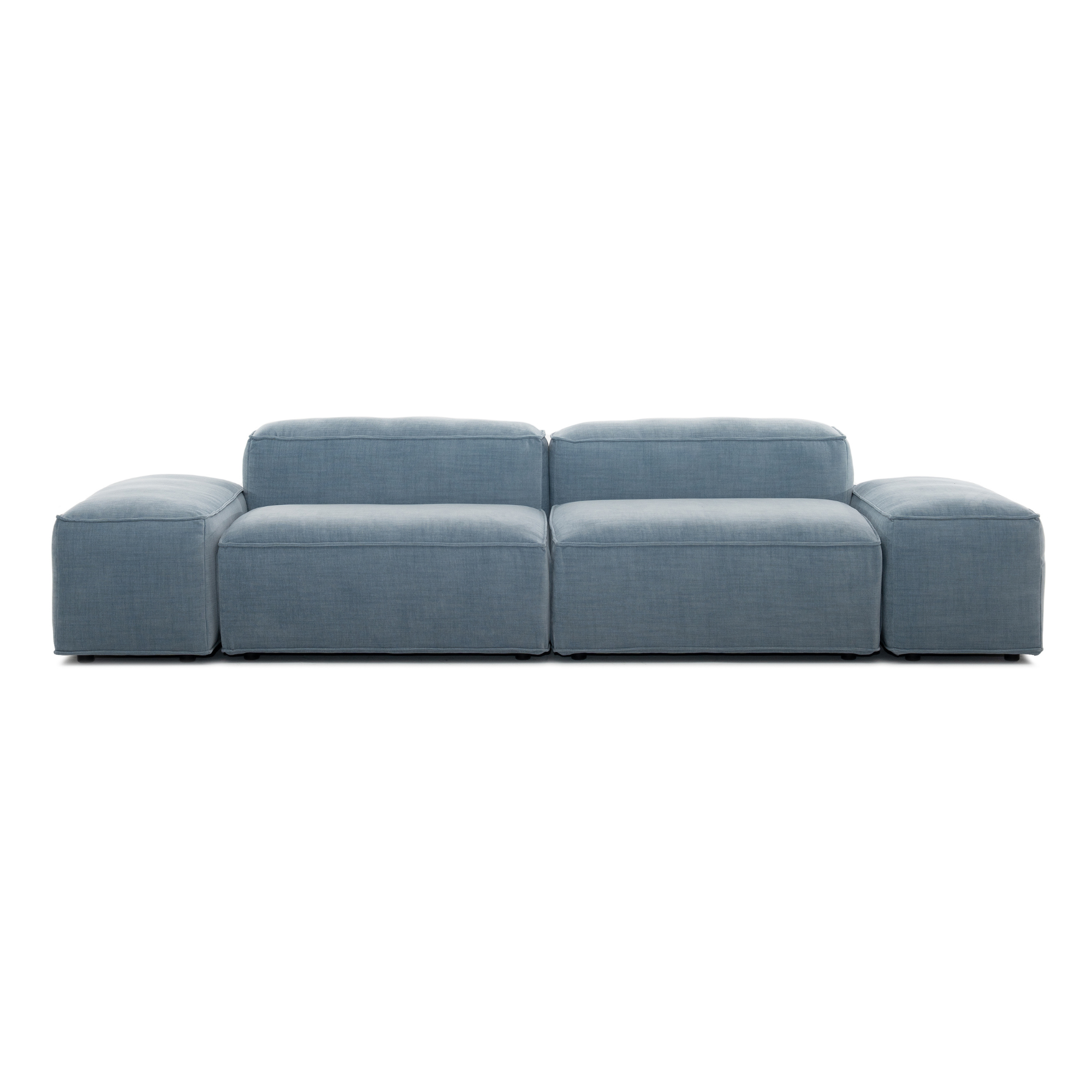
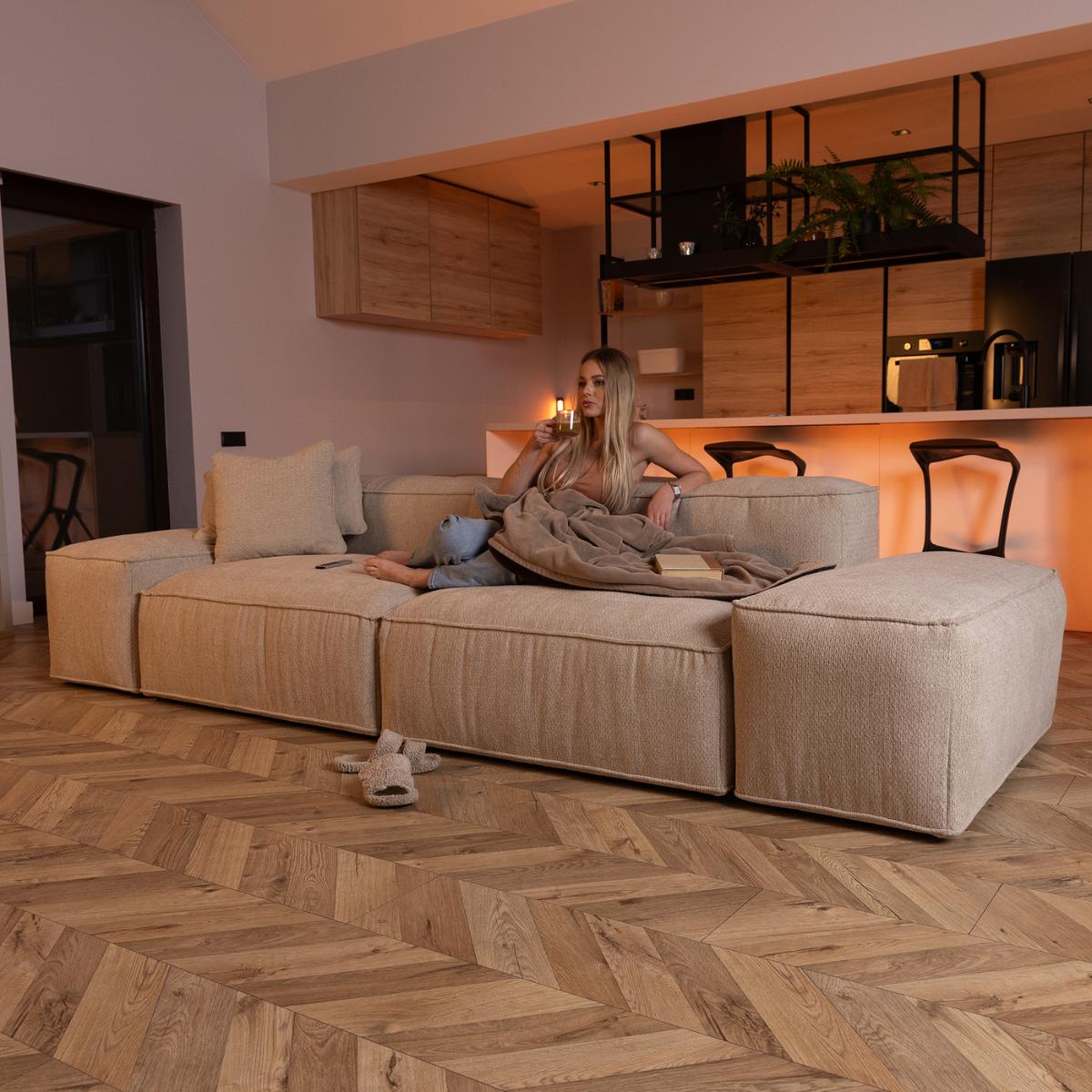
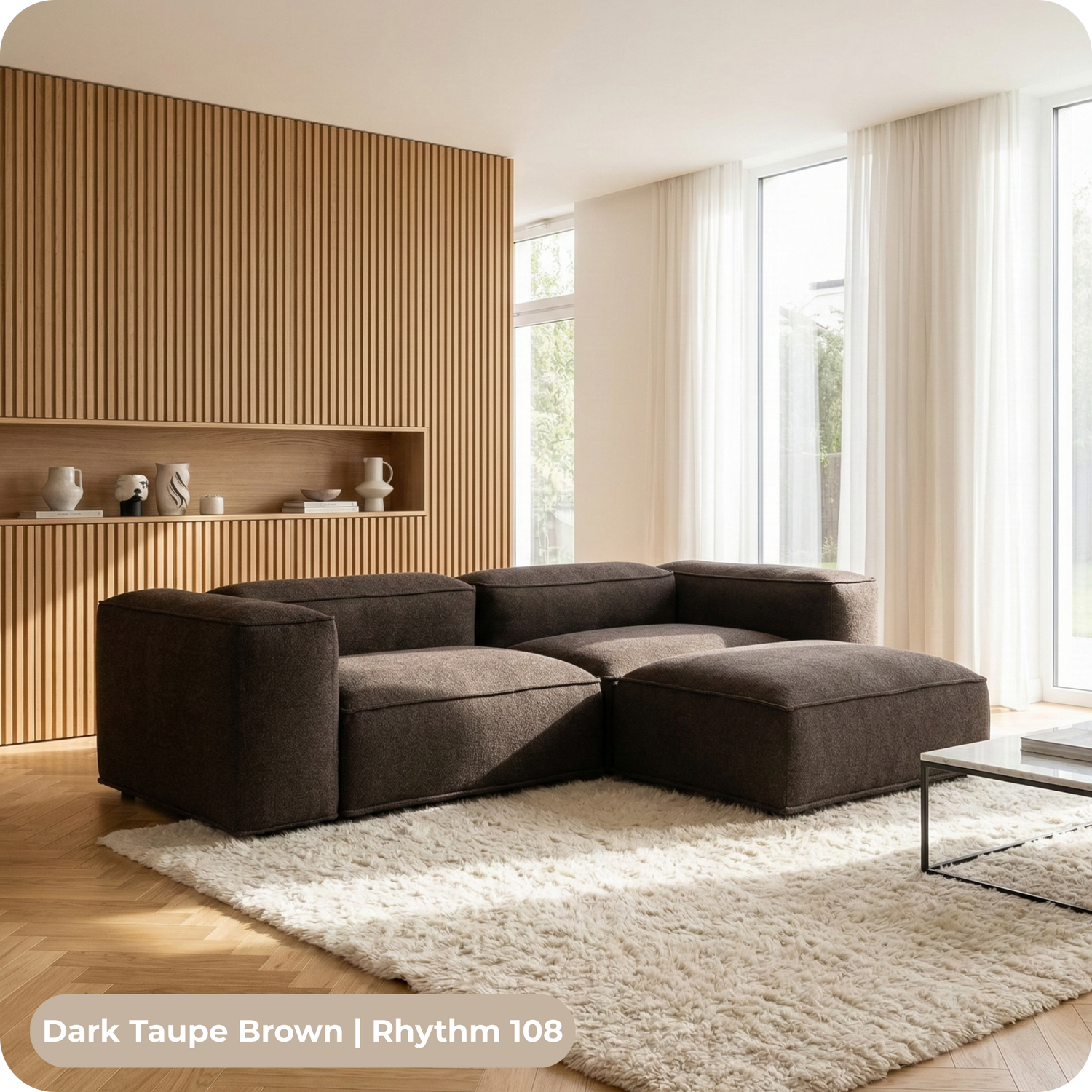
Asti Corner Sofa — from €1,599
The Asti's substantial proportions make it an effective room divider in open-plan living. Positioned as an island piece with the back facing the kitchen, it creates a definitive visual boundary while keeping the space open and connected — no walls required.
Colour and Material Consistency in Open-Plan Spaces
With multiple functional areas visible at once, colour and material decisions in open-plan spaces must be made holistically rather than room by room. The most effective approach is to choose a coherent palette of 3-4 colours and materials that flow throughout the entire space, applied in varying doses in each zone. For example: warm white walls throughout; natural oak for the kitchen cabinetry, dining table, and living room side tables; warm grey upholstery on the sofa; and brass as the single accent finish on kitchen hardware, light fittings, and living room accessories. This approach creates unity without monotony — the zones look related and considered rather than like separate rooms awkwardly sharing the same floor.
Acoustic Considerations in Open-Plan Living
One of the genuine disadvantages of open-plan living is acoustics — hard surfaces (concrete floors, glass, plaster walls) reflect sound and create echo that can make the space tiring to live in, particularly with a kitchen in use or multiple screens playing simultaneously. Soft furnishings are the most effective acoustic treatment: a large, dense area rug, upholstered furniture, fabric curtains or curtain walls, and soft upholstered dining chairs all absorb sound and dramatically reduce echo. This is a practical argument for investing in the best sofa you can afford — a large, densely upholstered sofa does more acoustic work than almost any other single piece in an open-plan space.