


Why Reclining Sofas Are No Longer Just About Comfort
Reclining sofas used to carry a reputation for bulky mechanisms and dated upholstery, but that's changed. Modern reclining sofas are built with slimmer profiles, cleaner lines, and upholstery options that look just as sharp as a standard sofa - the difference only becomes obvious when you actually recline. That means you no longer have to choose between a sofa that looks good and one that lets you stretch out after a long day. For anyone who spends real time on their sofa, the shift toward stylish reclining designs makes the decision much easier.
What Pairs Well with a Reclining Sofa
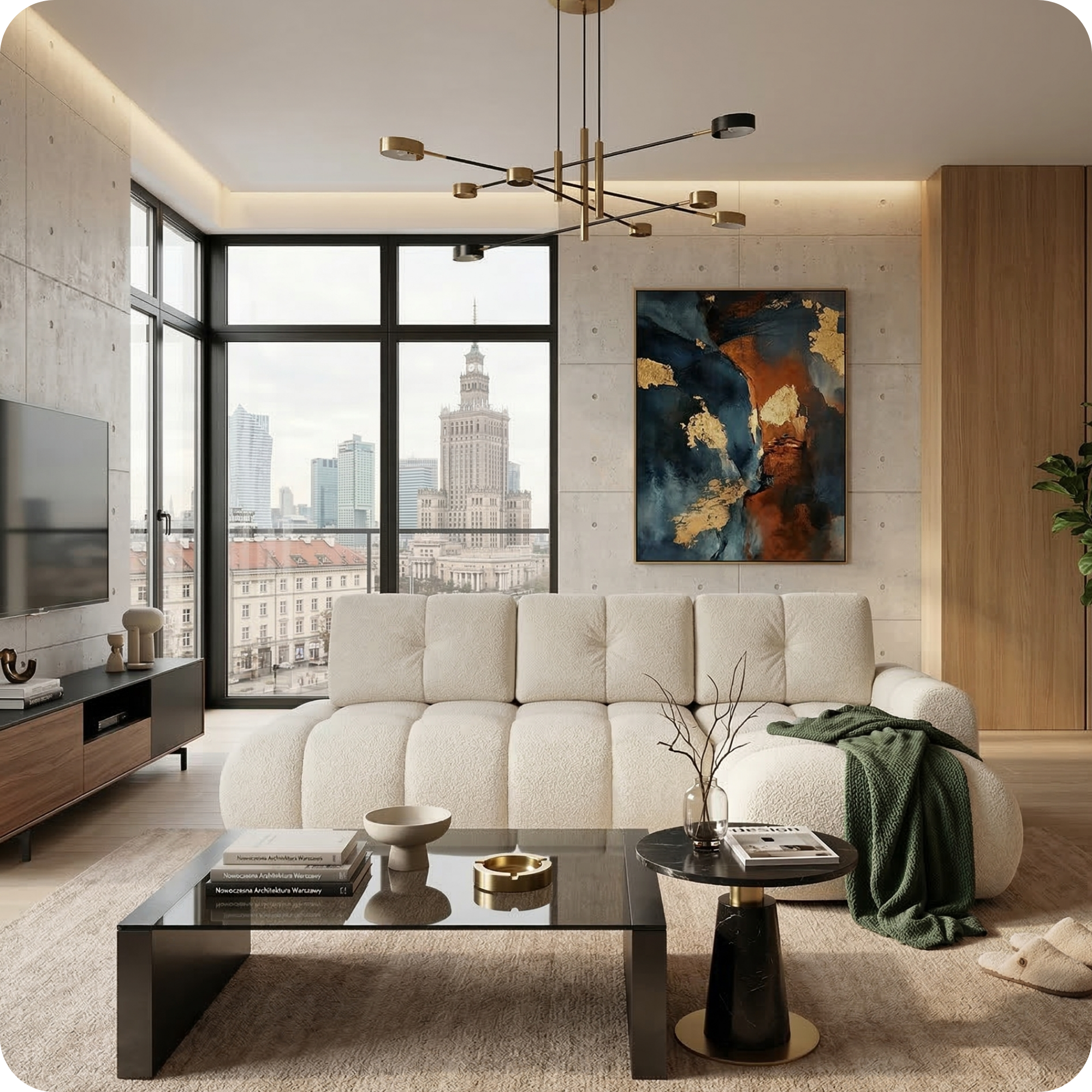
Because reclining sofas are often slightly deeper and heavier-looking than fixed sofas, they pair best with furniture that keeps the rest of the room visually light. A slim console table, an open-legged coffee table, and airy floating shelves stop the room from feeling overloaded. Layer in a patterned rug to anchor the seating area, and keep side tables low enough to clear the footrest when it's extended. Warm wood tones and soft textiles balance the more technical, mechanism-driven feel of a reclining frame, so the room still reads as considered rather than purely functional.
Styling a Reclining Sofa in a Small Living Room
The biggest small-space consideration with a reclining sofa is clearance - you need enough room behind and in front for the footrest and backrest to extend fully, so measure before you fall in love with a specific model. Wall-hugging recliner mechanisms, which need only a few centimetres of clearance from the wall, solve this problem for tighter rooms. Keep the rest of the layout minimal: one sofa, one compact coffee table, and avoid boxing the seating area in with bulky side furniture. A reclining sofa can still anchor a small room beautifully as long as the recline path is respected.

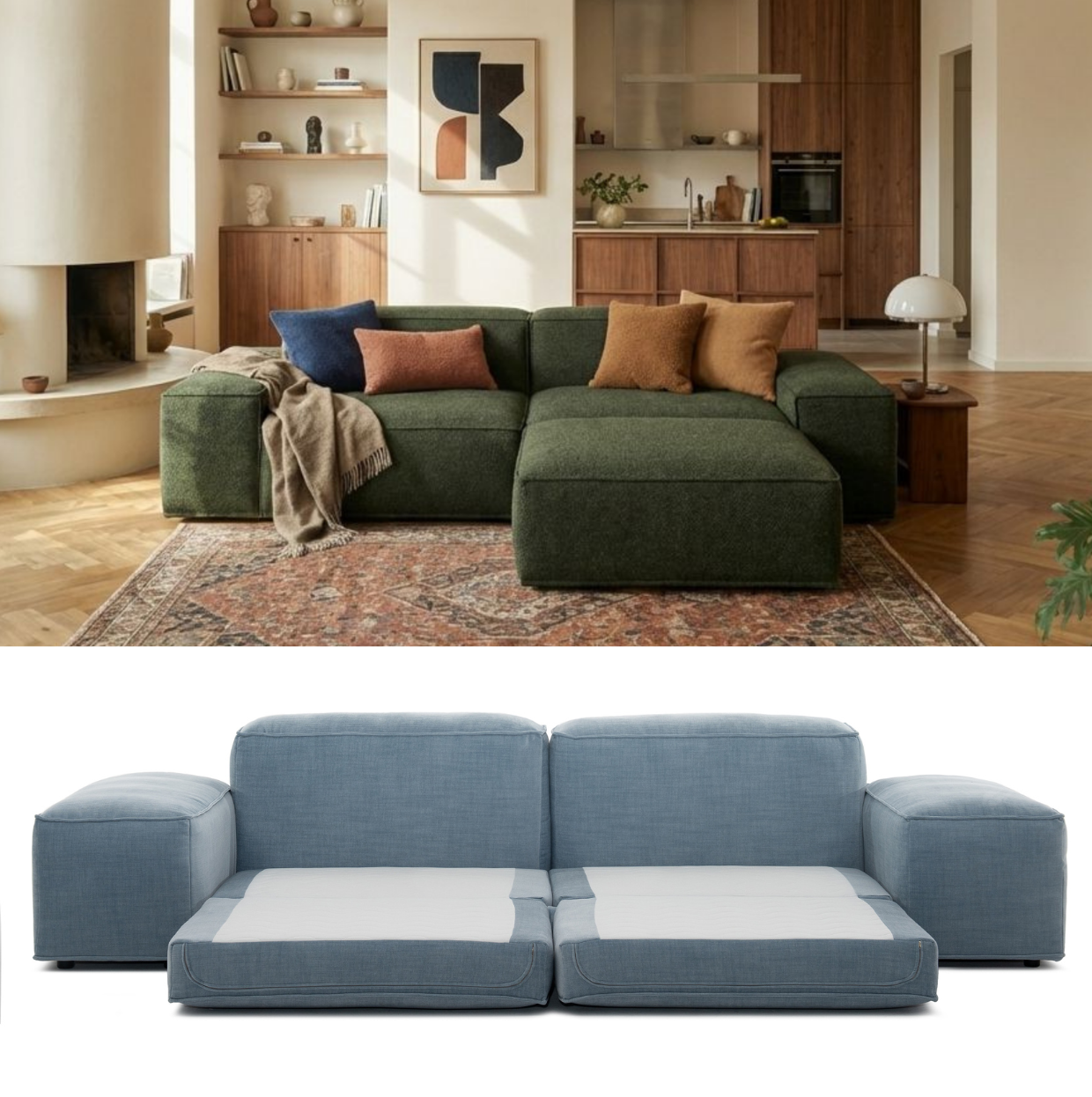
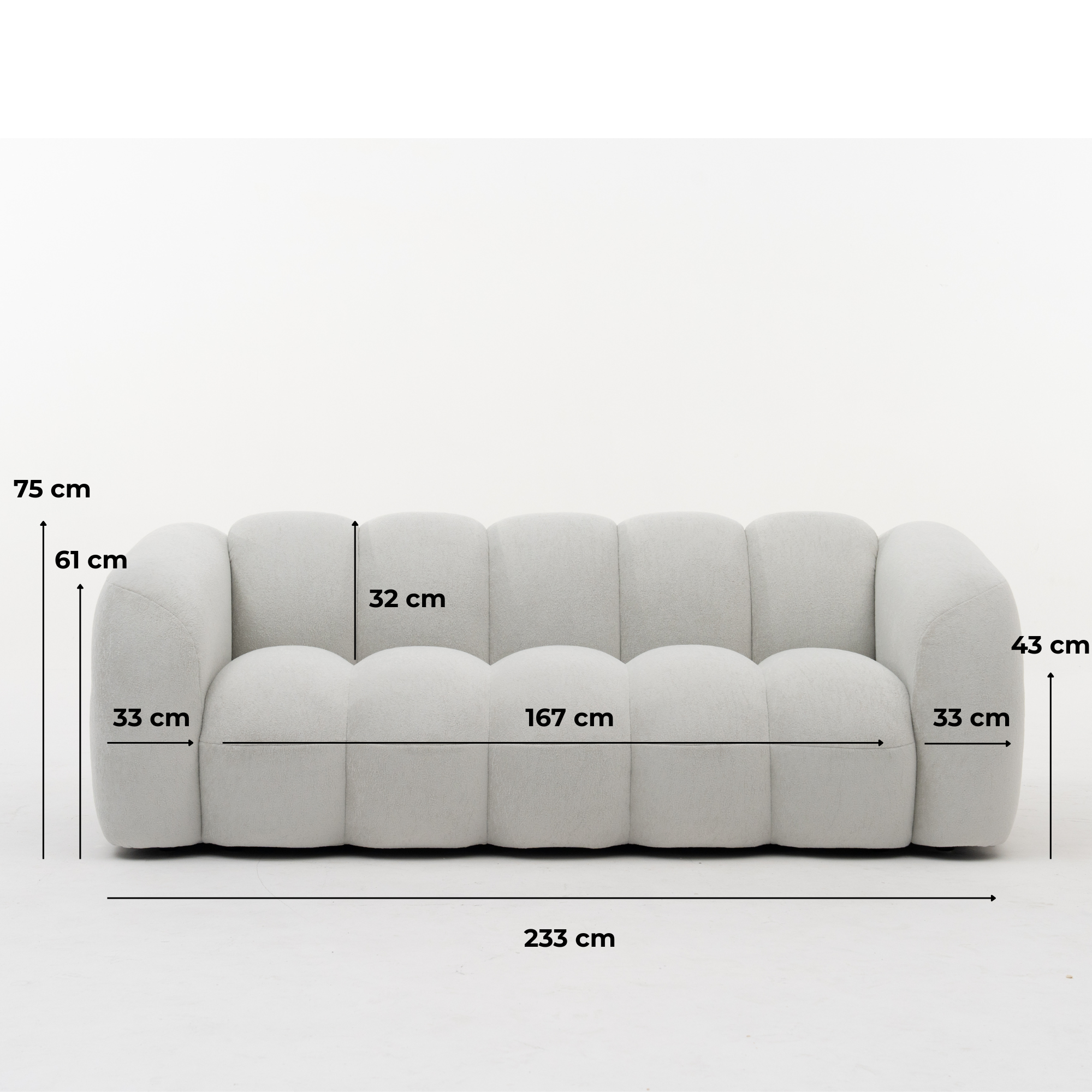
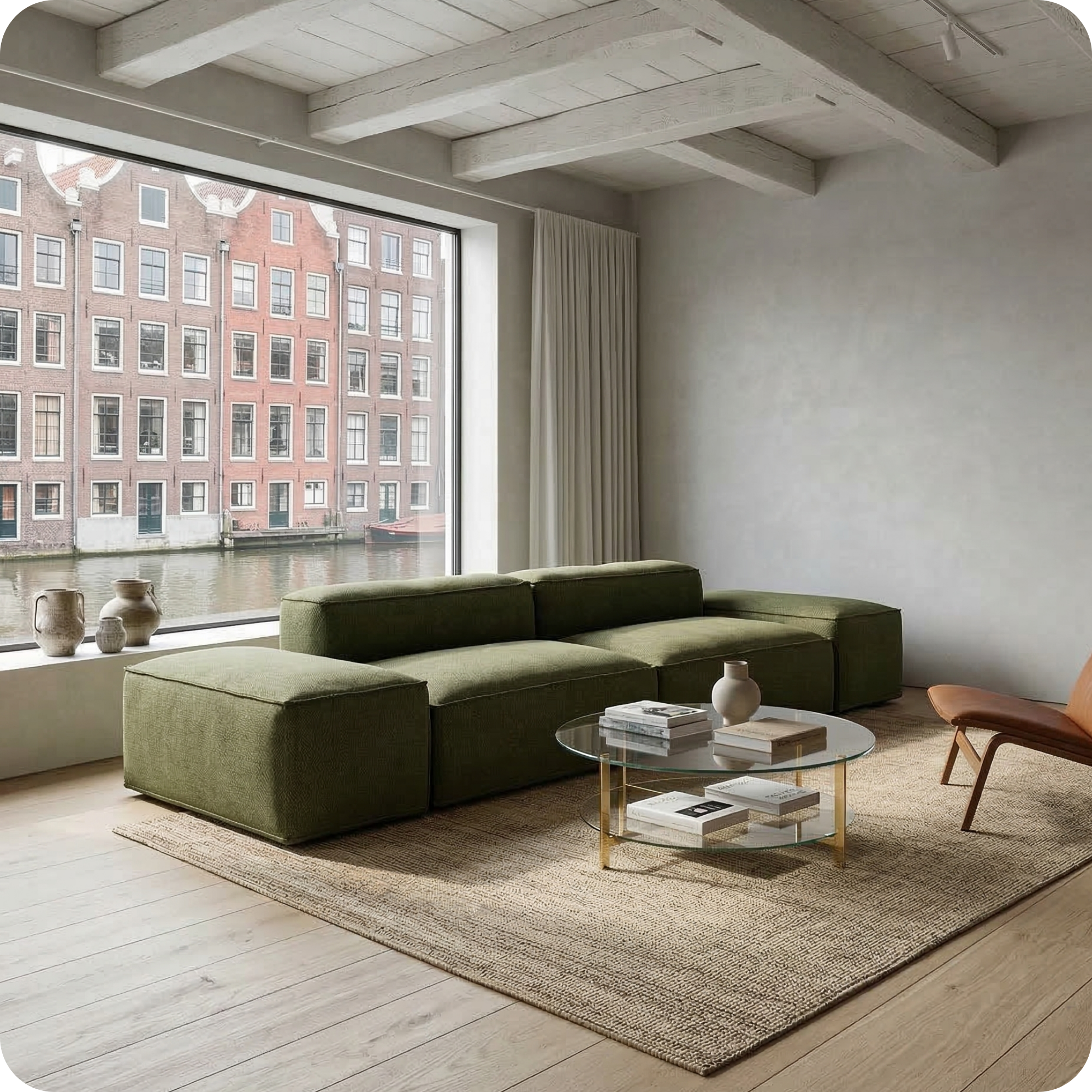
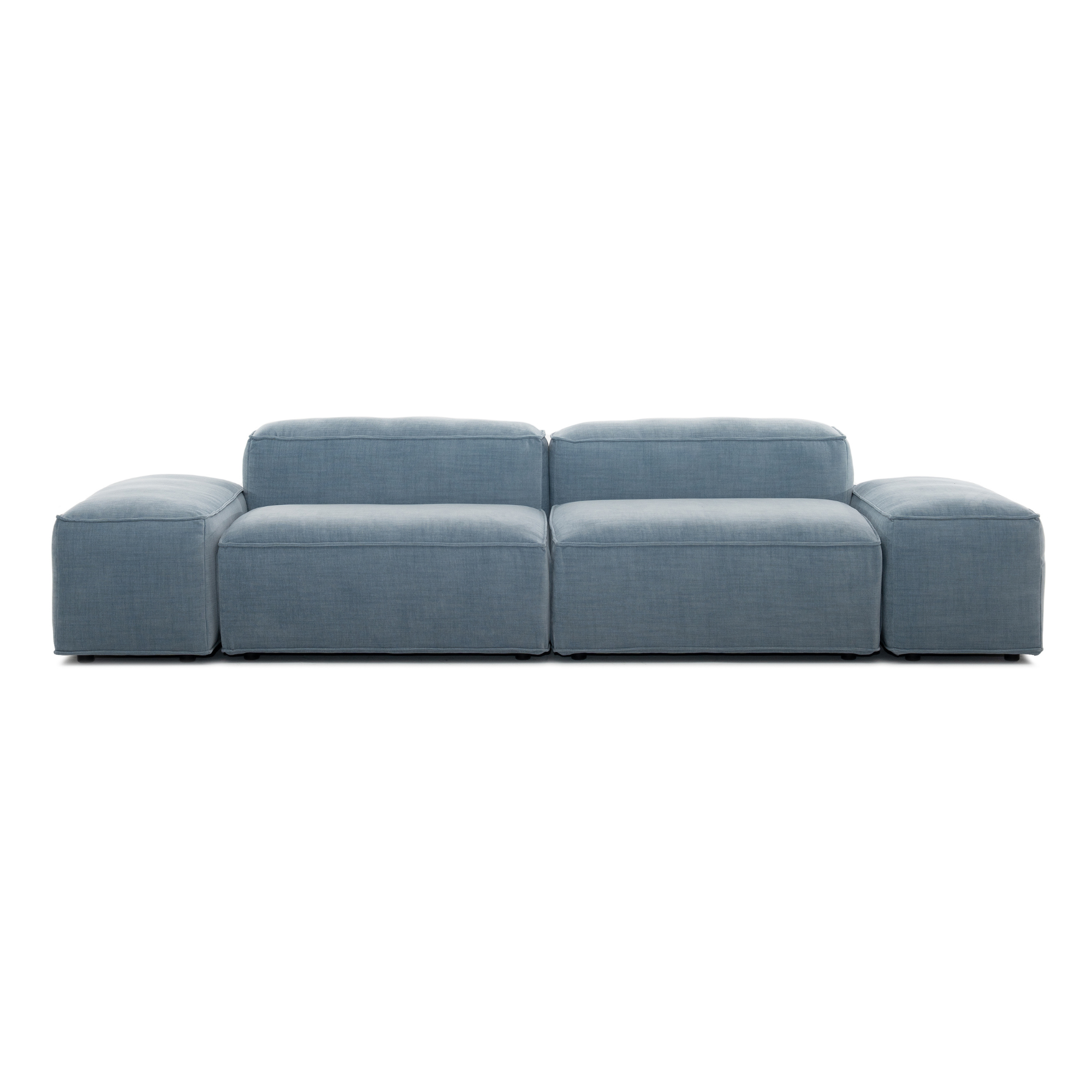
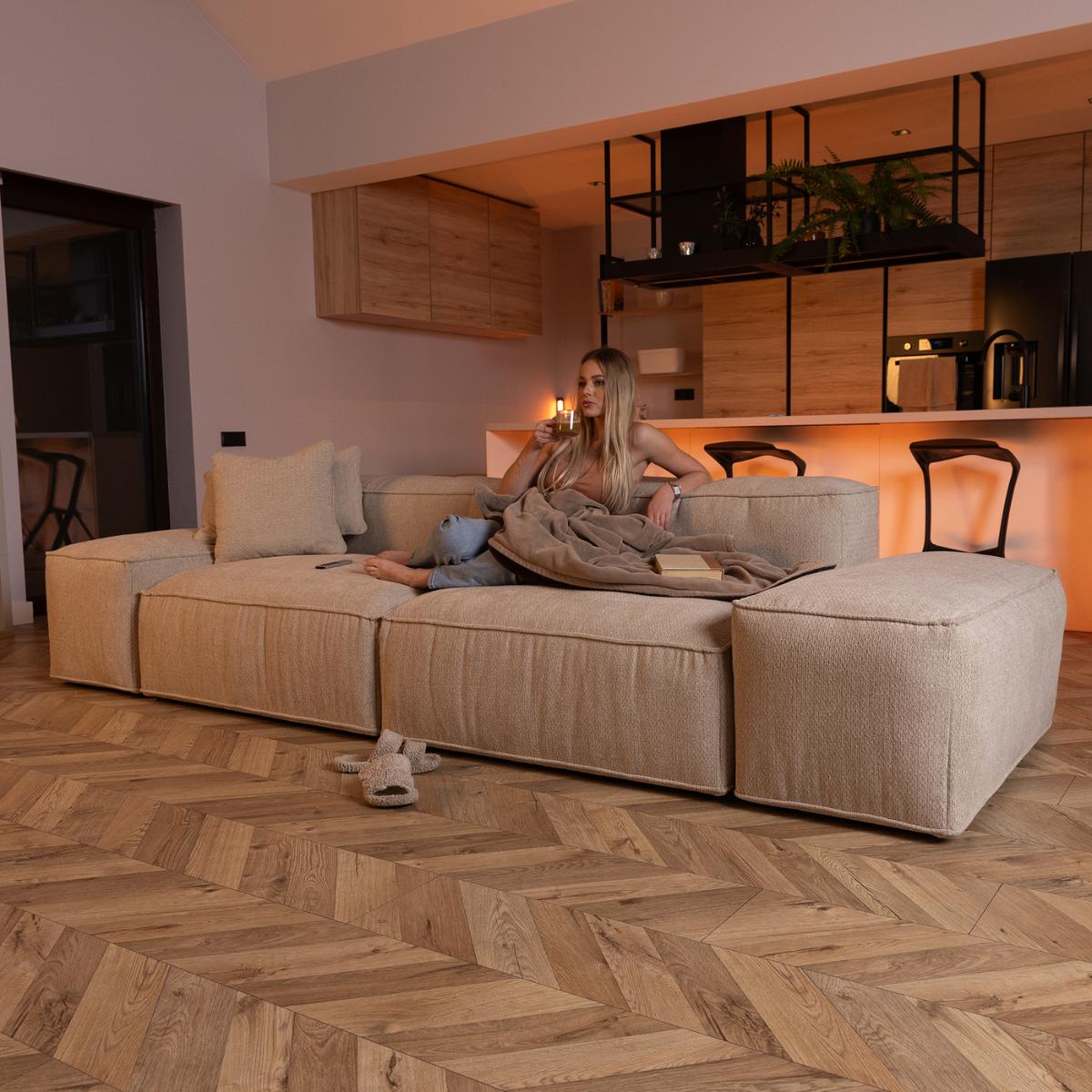
Merlot Modular Sofa 3-Seater — from EUR 1225
A low-profile modular design that adapts to a comfortable, reclining-friendly living room layout.

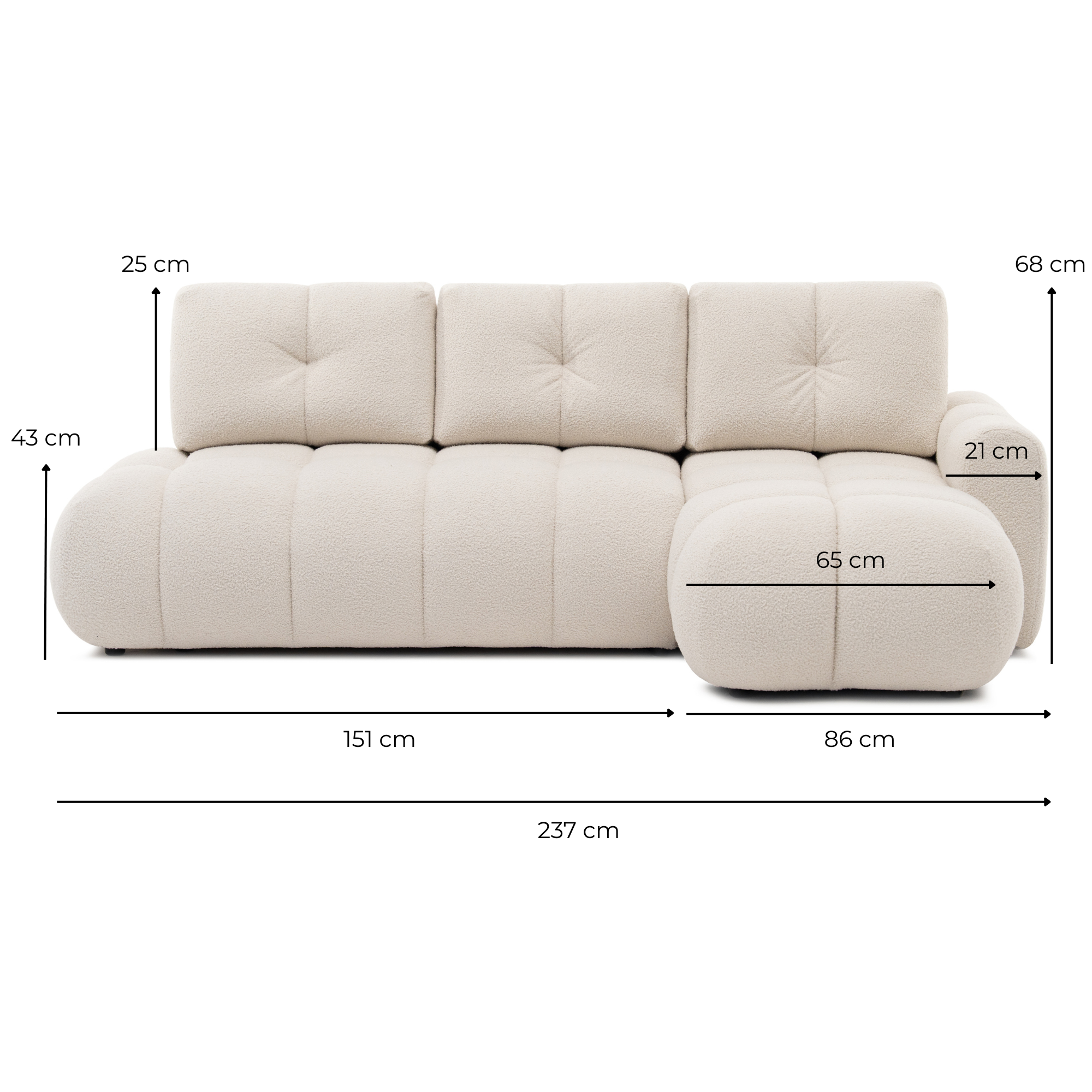
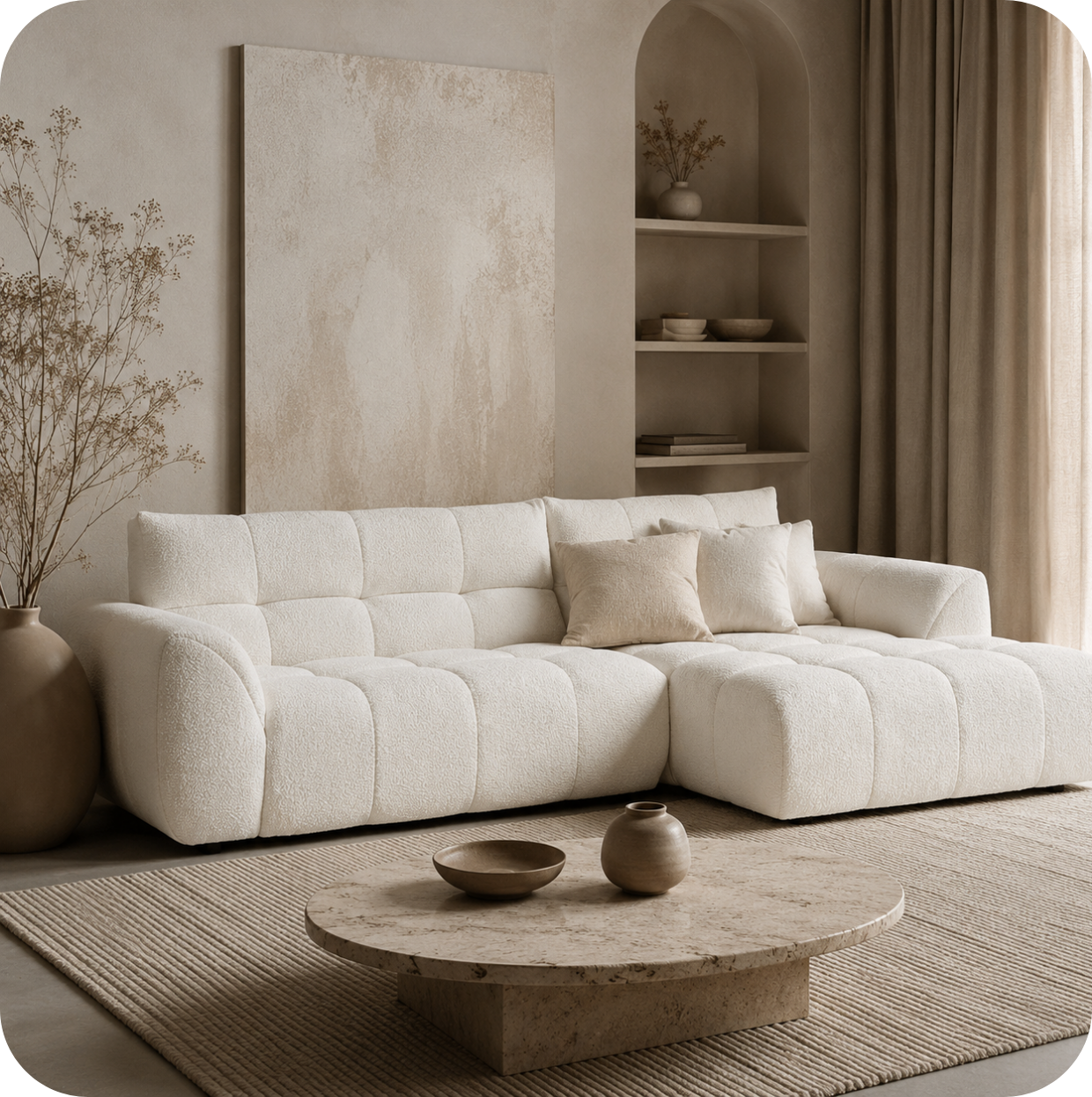
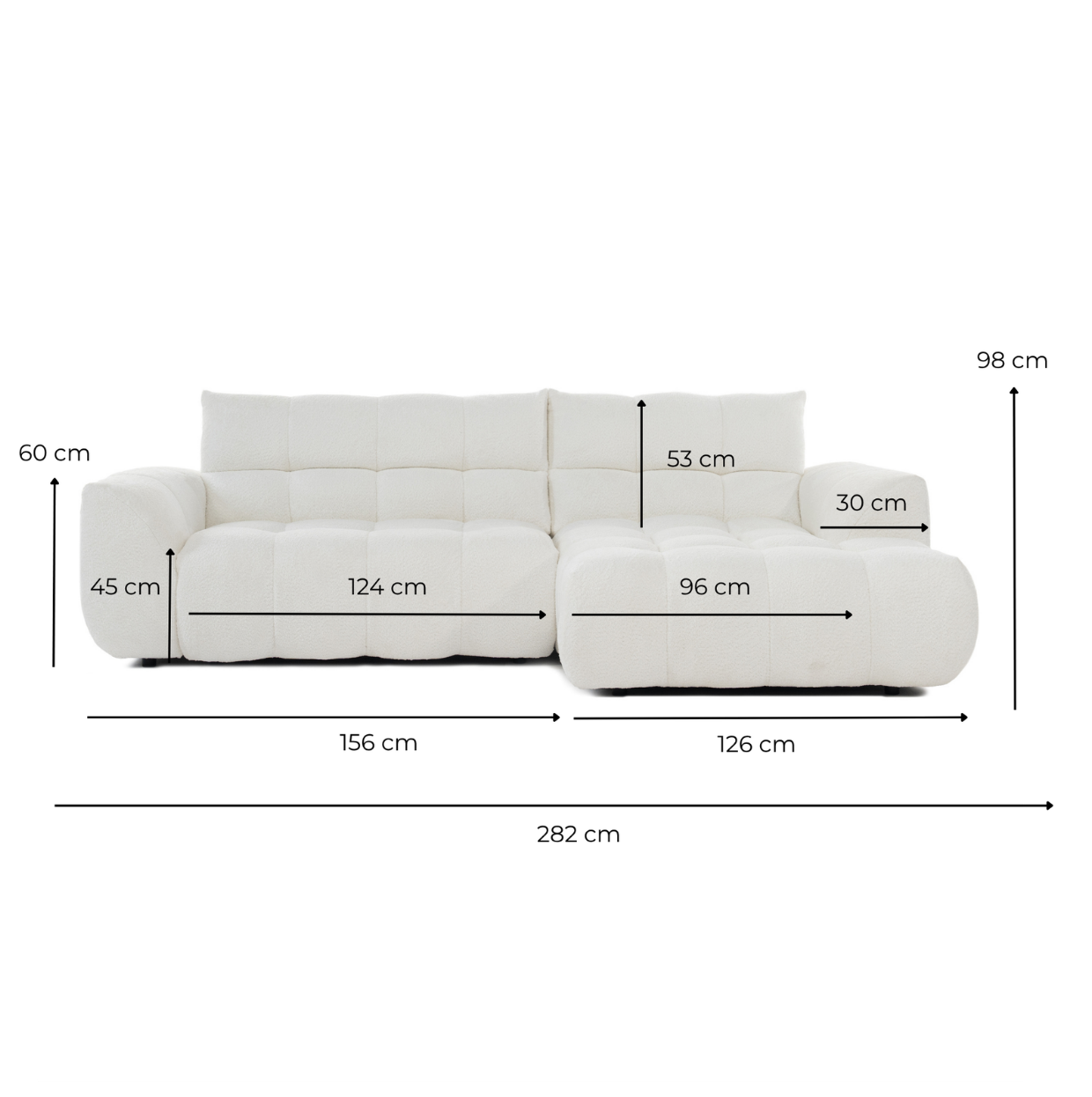
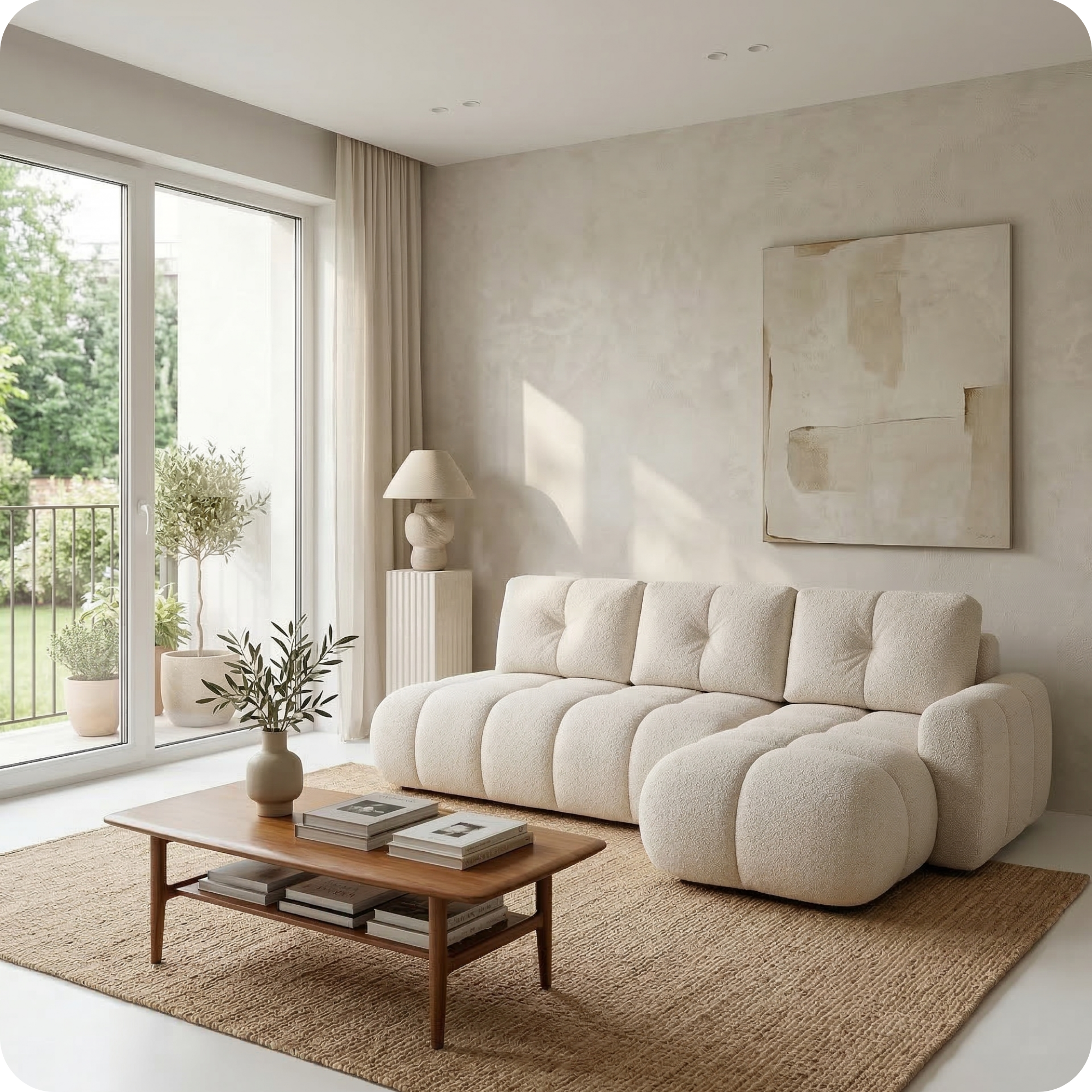
Riva Corner Sofa with Sleep Function — from EUR 999
Extra seating and a fold-out bed, ideal for rooms that need comfort and function in equal measure.
Manual vs Power Recline: Which Should You Choose?
Manual reclining mechanisms use a side handle or a push-back motion and tend to be more affordable, lighter, and simpler to maintain since there's no wiring involved. Power recline uses a button to move the seat, which is easier for anyone with mobility considerations and allows finer control over the exact angle. The trade-off is that power mechanisms need to sit near an outlet and cost more upfront. For most living rooms, manual recline is the practical default; power recline earns its price if the sofa will be used daily for long stretches, like an evening TV routine.
Fabric and Frame: What to Look for in a Reclining Sofa
Because reclining mechanisms move and flex daily, fabric durability matters more here than on a fixed sofa. Tightly woven bouclé, performance-treated linen blends, and mid-pile chenille all hold up well to repeated motion without pilling around the seams. Avoid loosely woven or very delicate fabrics near the recline hinge, since that's the area under the most repeated stress. On the frame side, look for reinforced steel or hardwood recline mechanisms rather than all-plastic components, since that's what determines how the sofa performs after years of daily use rather than just how it looks in the showroom.
Shop comfortable, considered seating in our Modular Sofas collection, or explore Corner Sofas at Furni.