

Sage Green Living Room: How to Decorate with Sage Green in 2026
Sage green has been one of the most enduringly popular interior colours of the past several years — and in 2026, it shows no sign of fading. Unlike trend-driven colours that peak and disappear within a season, sage green has stayed because it works on a fundamental level: it is simultaneously calming and characterful, natural and sophisticated, and it pairs beautifully with almost every other colour in the interior design vocabulary. This guide explains exactly how to use sage green in a living room to maximum effect.
What Makes Sage Green Special
Sage green sits at the intersection of green and grey, with a soft, slightly dusty quality that prevents it from reading as loud or primary. Unlike a pure forest green or bright lime, sage is muted enough to work as a near-neutral while still carrying the visual interest and personality of a proper colour choice. Its grey undertone means it reads differently in different lights — greener in warm light, more silvery in cool light — which gives sage green rooms a quality of aliveness and subtle variation throughout the day.
Sage Green Walls: The Most Impactful Starting Point
Painting walls in sage green is the fastest way to create a sage green living room. The effect is immediately calming and distinctive. Sage green walls pair well with: warm white or off-white trim (not bright white, which can feel harsh against sage); natural wood floors and furniture (the warm brown ground complements sage's cooler undertone); aged brass and brushed gold hardware and accessories; terracotta and rust cushions and throws; and cream, oatmeal, and linen-toned textiles. Avoid pure grey or cool white trim with sage walls — the interaction between cool sage and cool trim can make the room feel flat and slightly clinical.
Sage Green Sofa in a Neutral Room
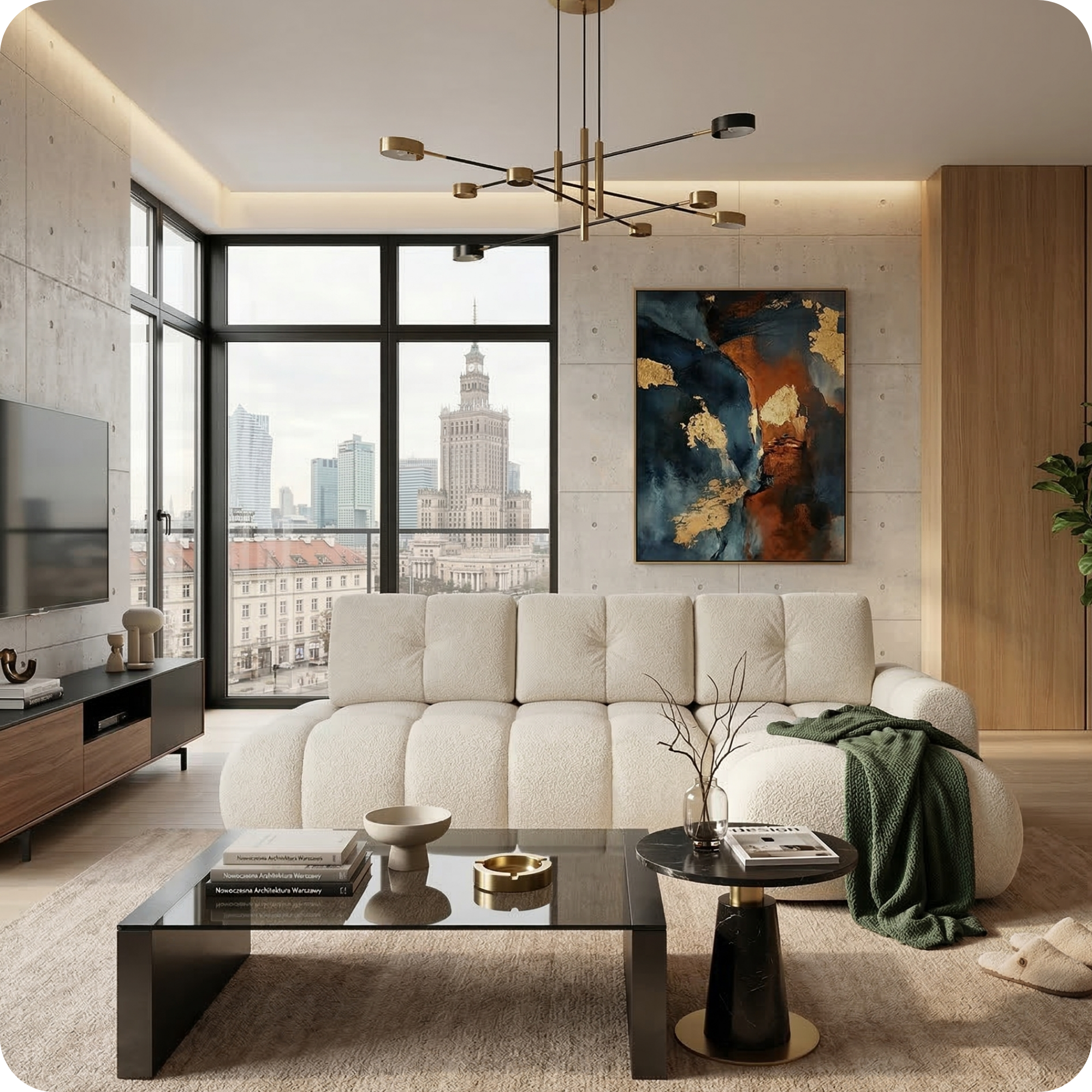
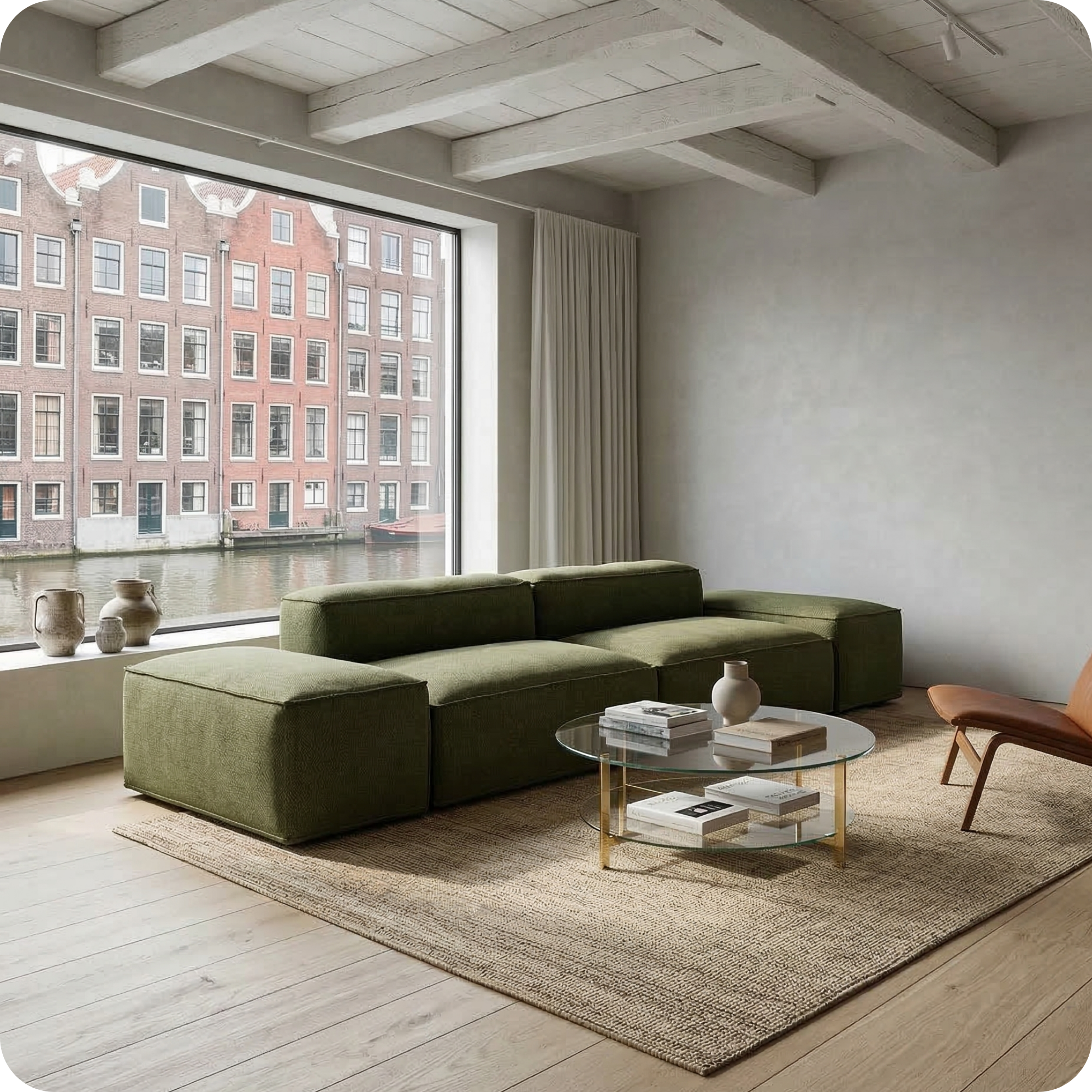
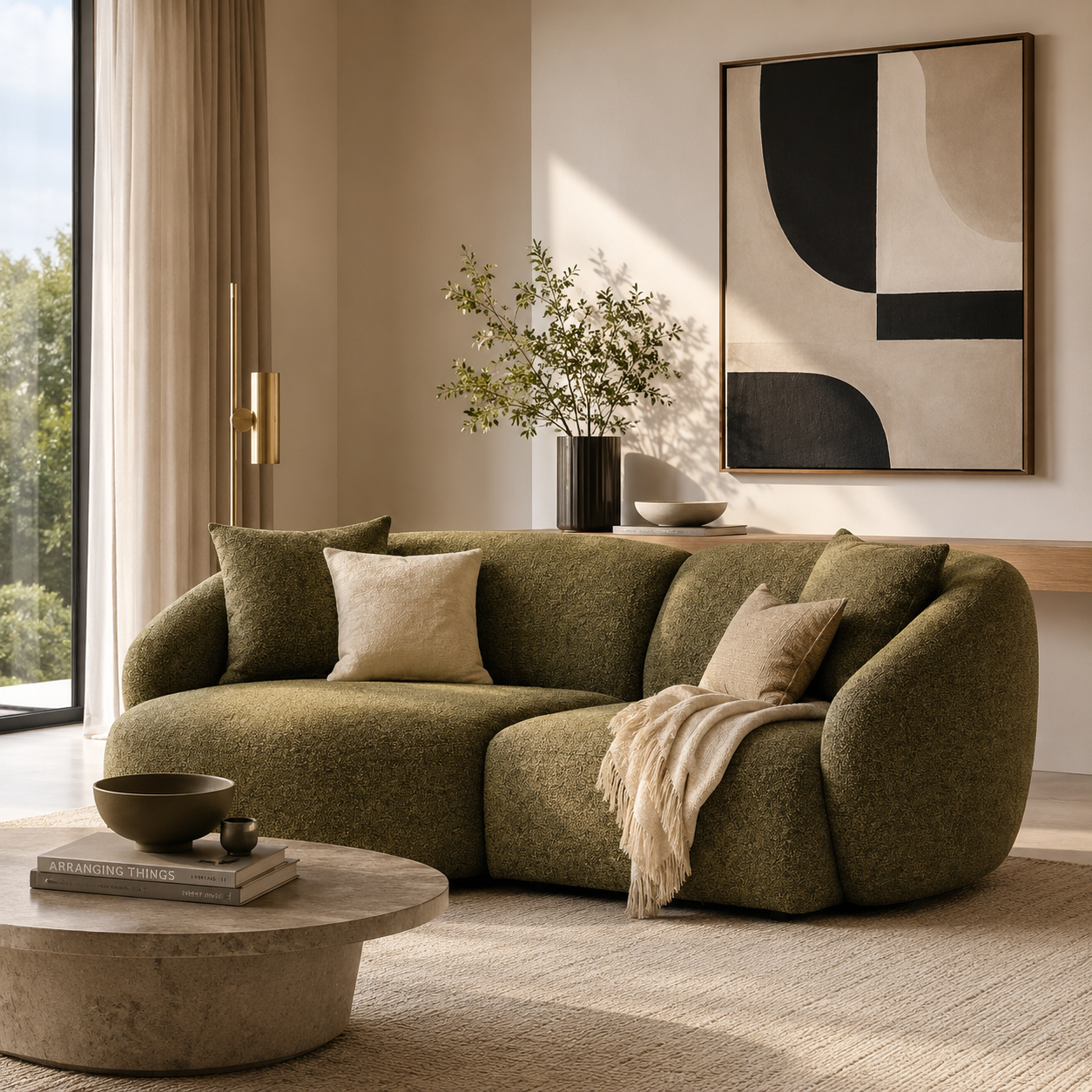
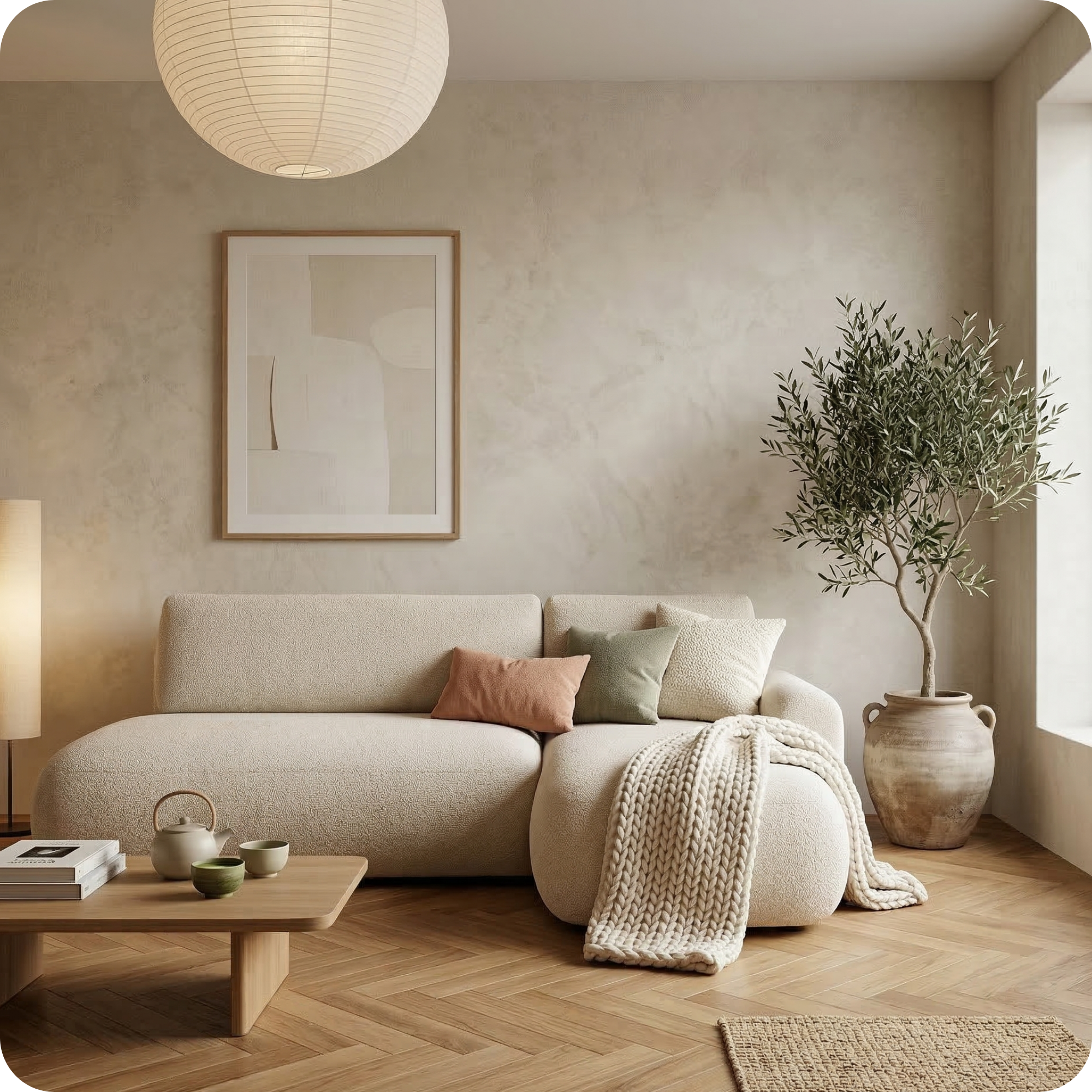
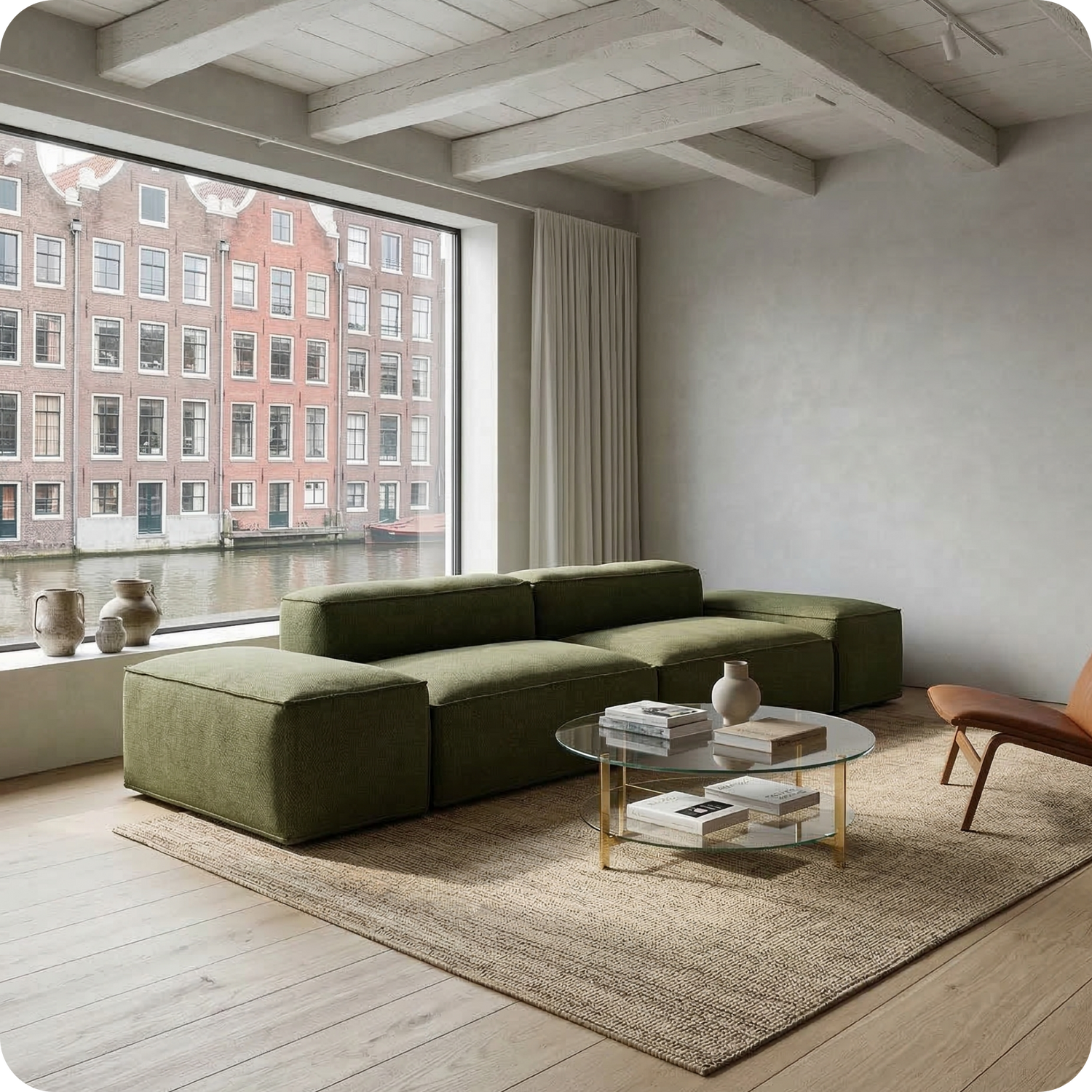
A sage green sofa in an otherwise neutral room creates a strong, confident colour statement without committing to colour on every surface. The neutral walls (warm white, warm grey, or warm oatmeal) recede and let the sage sofa lead. This approach is lower commitment than sage walls but equally effective for creating a distinctively green living room. Pair a sage sofa with: natural linen cushions; a terracotta or rust accent cushion; a wooden coffee table; and indoor plants (sage and botanical green is one of interior design's most natural partnerships).

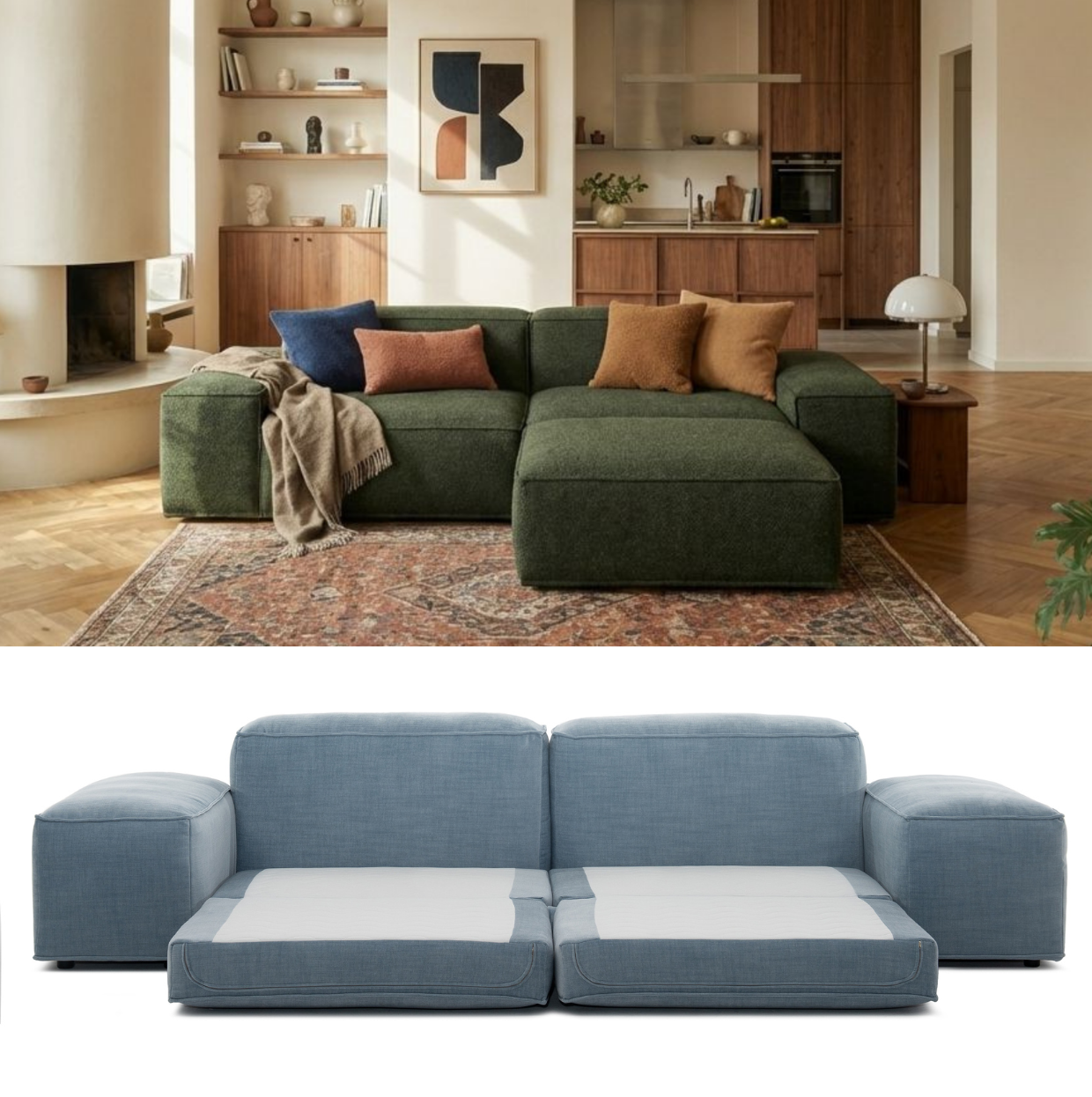
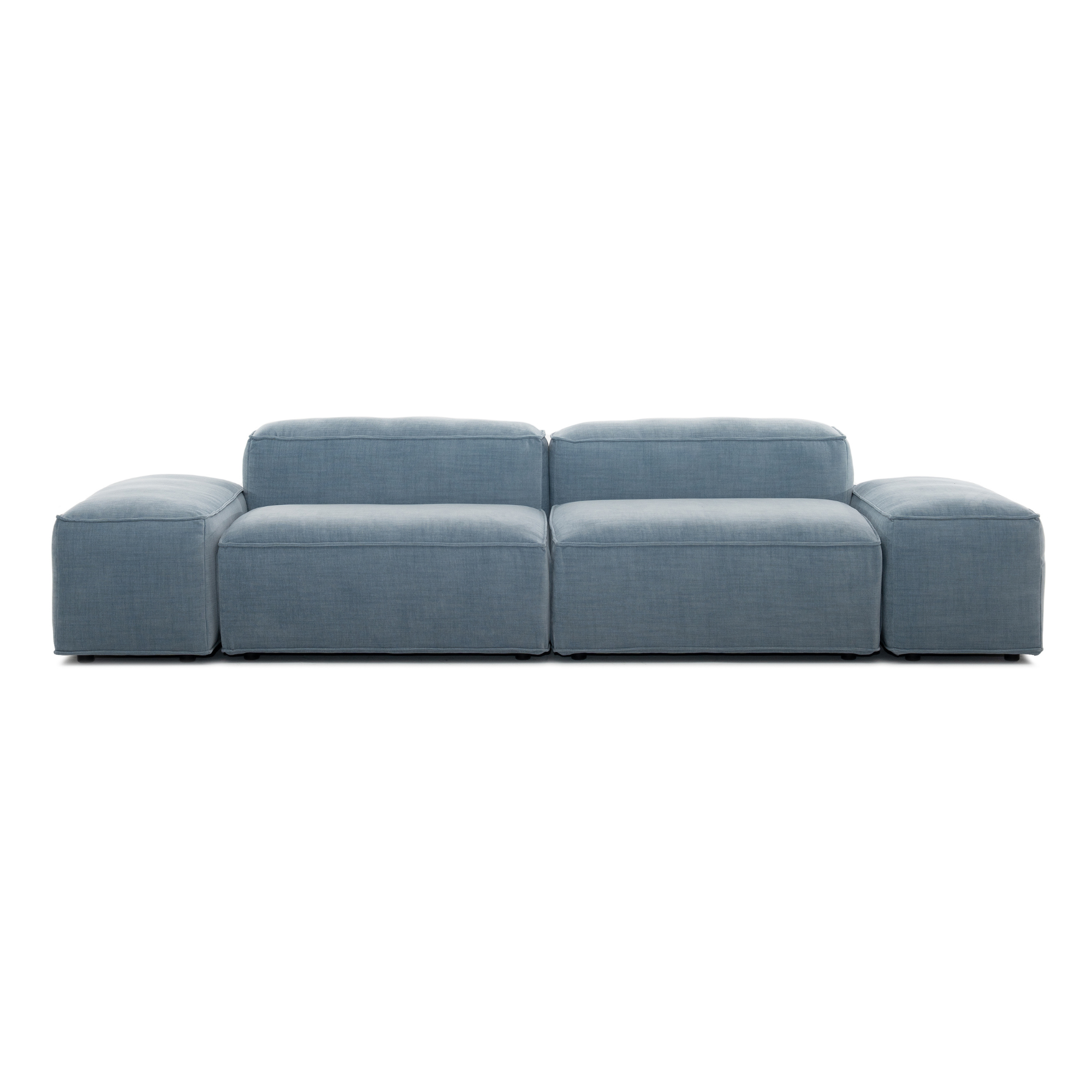
Merlot Modular Sofa — Leaf Green — from €1,532
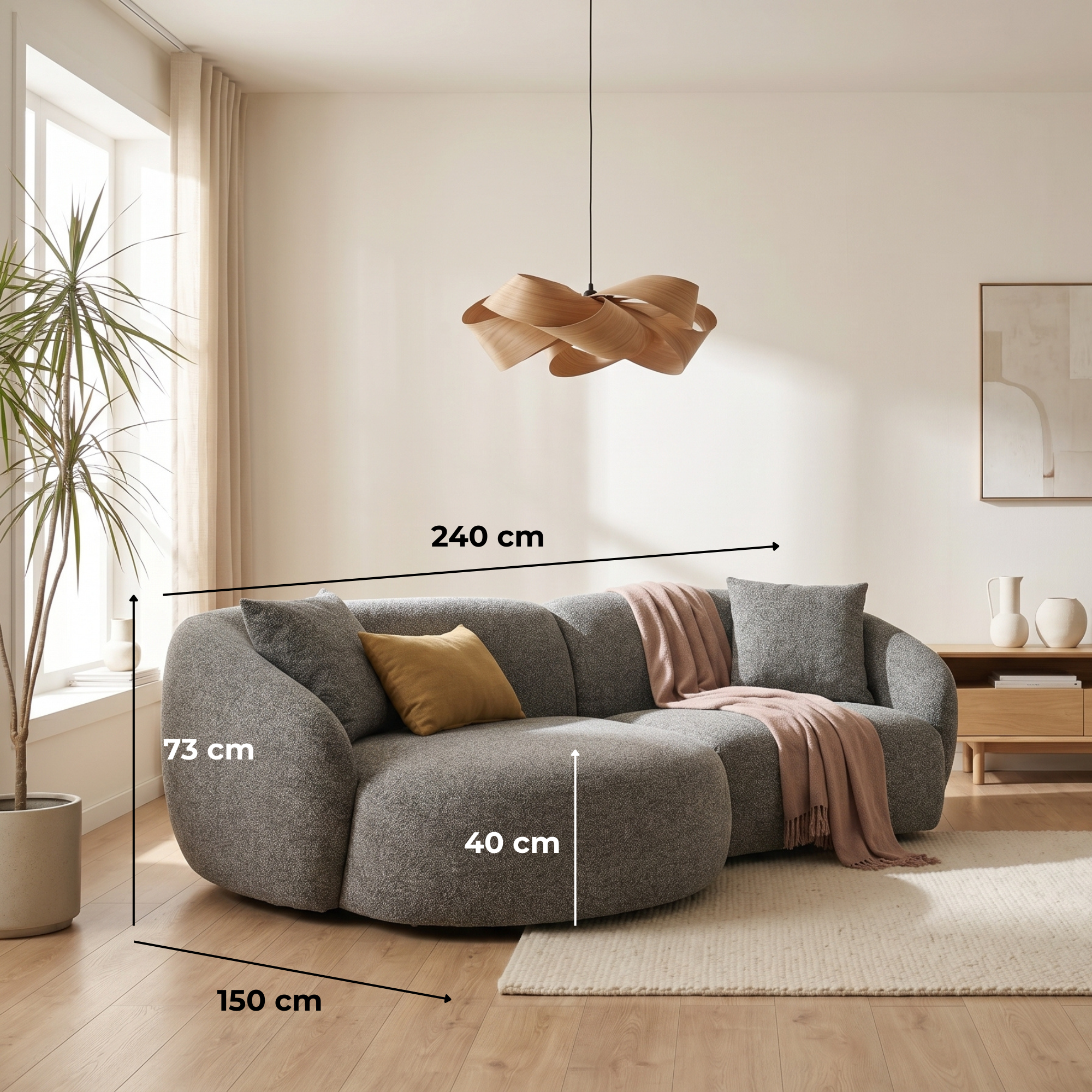
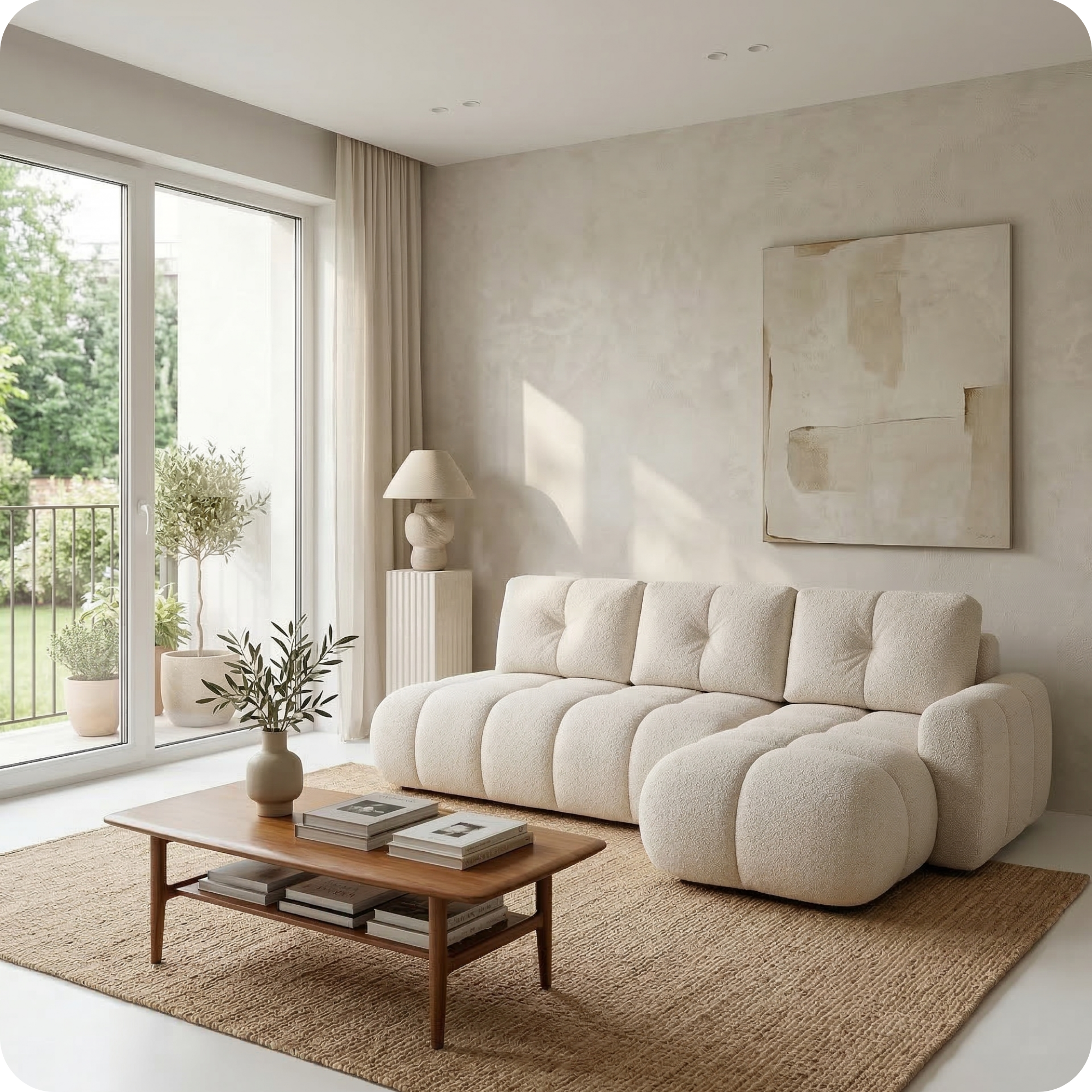
The Merlot in leaf green is one of the most versatile green sofa options available — its tone sits between sage and forest green, working equally well in both warm-toned and cool-toned neutral interiors. Its modular format means it can be configured as a straight 3-seater or with a chaise, giving you flexibility in how the green becomes the room's focal point. Available in leaf green and other tones.

Lugano Sofa — Khaki — from €1,299
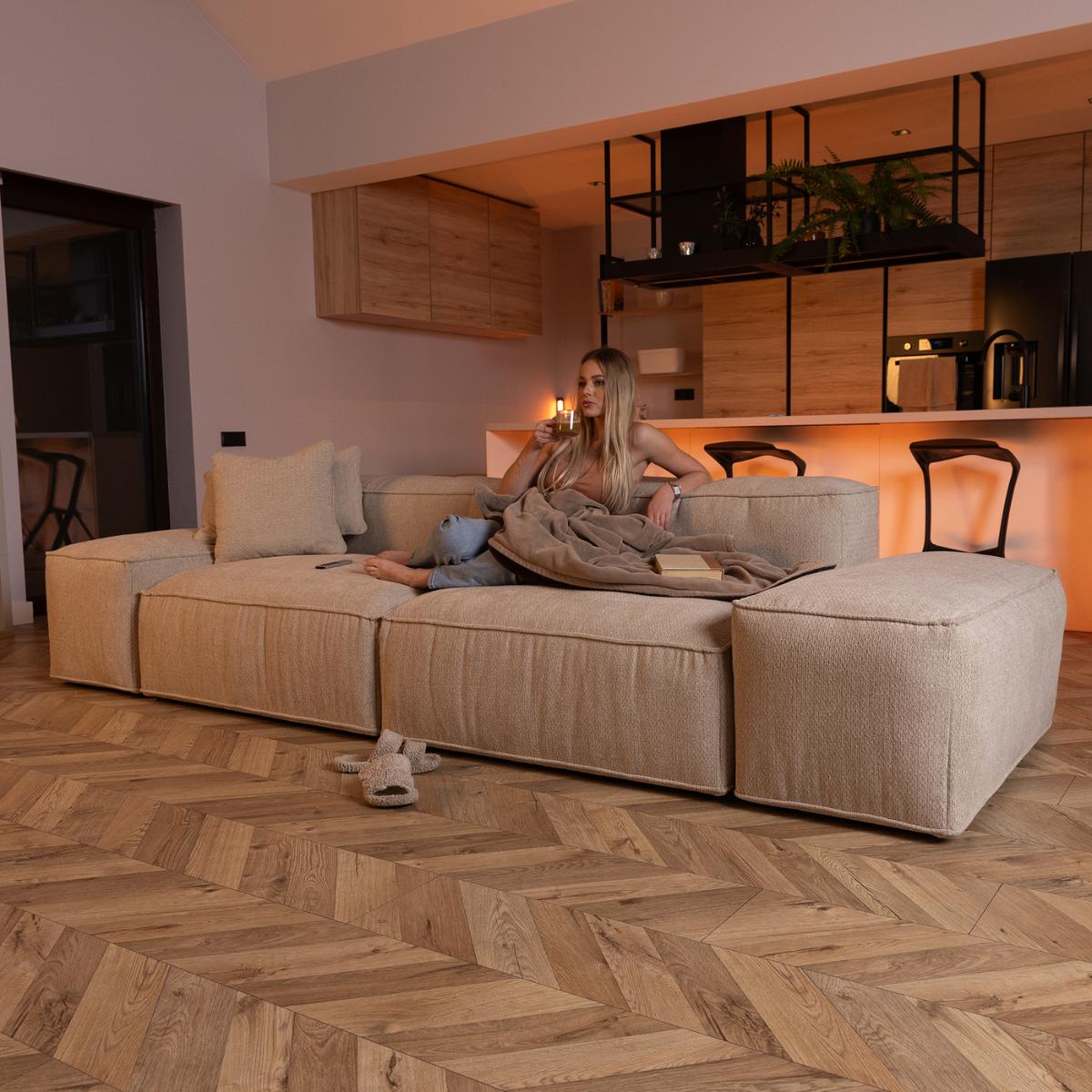
The Lugano in khaki occupies a similar colour territory to sage green — a muted, earthy green with a warm undertone. In a sage green living room, the Lugano khaki reads as a sophisticated, tonal complement rather than a competing colour. Pair with natural materials, warm brass, and earthy terracotta accents for a fully coherent sage and earth palette.
Sage Green with Warm Wood
The best material pairing for sage green is warm wood. The combination of green and wood is fundamental to the natural world — it's the colour of leaves against tree bark, and the brain immediately reads it as organic and harmonious. In a sage green living room, warm wood appears in: the floor (oak, pine, or any warm-toned timber); the coffee table (a solid wood table with a visible grain is ideal); shelving units; side tables; and picture frames. The wood grounds the green and prevents the room from feeling cold, which is a risk with cool-undertone greens.
Sage Green and Terracotta: A Perfect Partnership
Sage green and terracotta are one of the great complementary pairings in contemporary interior design. The cool, dusty quality of sage contrasts with the warm, earthy heat of terracotta in a way that feels both exciting and natural. Use terracotta in cushions, throws, vases, and artwork against a sage green backdrop. The proportion matters: sage should dominate (walls, sofa, or large rug) with terracotta as an accent, not the other way around. Too much terracotta overwhelms the green's restfulness.
Sage Green and Blush: A Softer Alternative
For a gentler, more romantic interpretation of sage green, pair it with blush pink or dusty rose. This combination is popular in bedrooms but works beautifully in living rooms too, particularly in homes that favour a warm, feminine aesthetic. Keep the sage as the dominant colour, with blush appearing in smaller quantities — a single cushion, a throw, a vase. Too much blush in a sage room can tip toward nursery, so ensure the other materials in the room (wood, brass, leather, textured linen) carry enough visual weight to keep it sophisticated.