


Scandi Living Room Ideas: How to Achieve Scandinavian Interior Design
Scandinavian interior design has been one of the most influential and enduring styles of the past century, and shows no signs of declining in popularity. Born in the Nordic countries — Sweden, Denmark, Norway, and Finland — from a combination of long, dark winters and a deep cultural appreciation for craft, quality, and the natural world, Scandinavian design is defined by its restraint, functionality, and quiet beauty. It is a style that feels effortless but is actually quite considered: every element serves a purpose, and beauty emerges from simplicity, quality materials, and careful proportion.
The Principles of Scandinavian Design
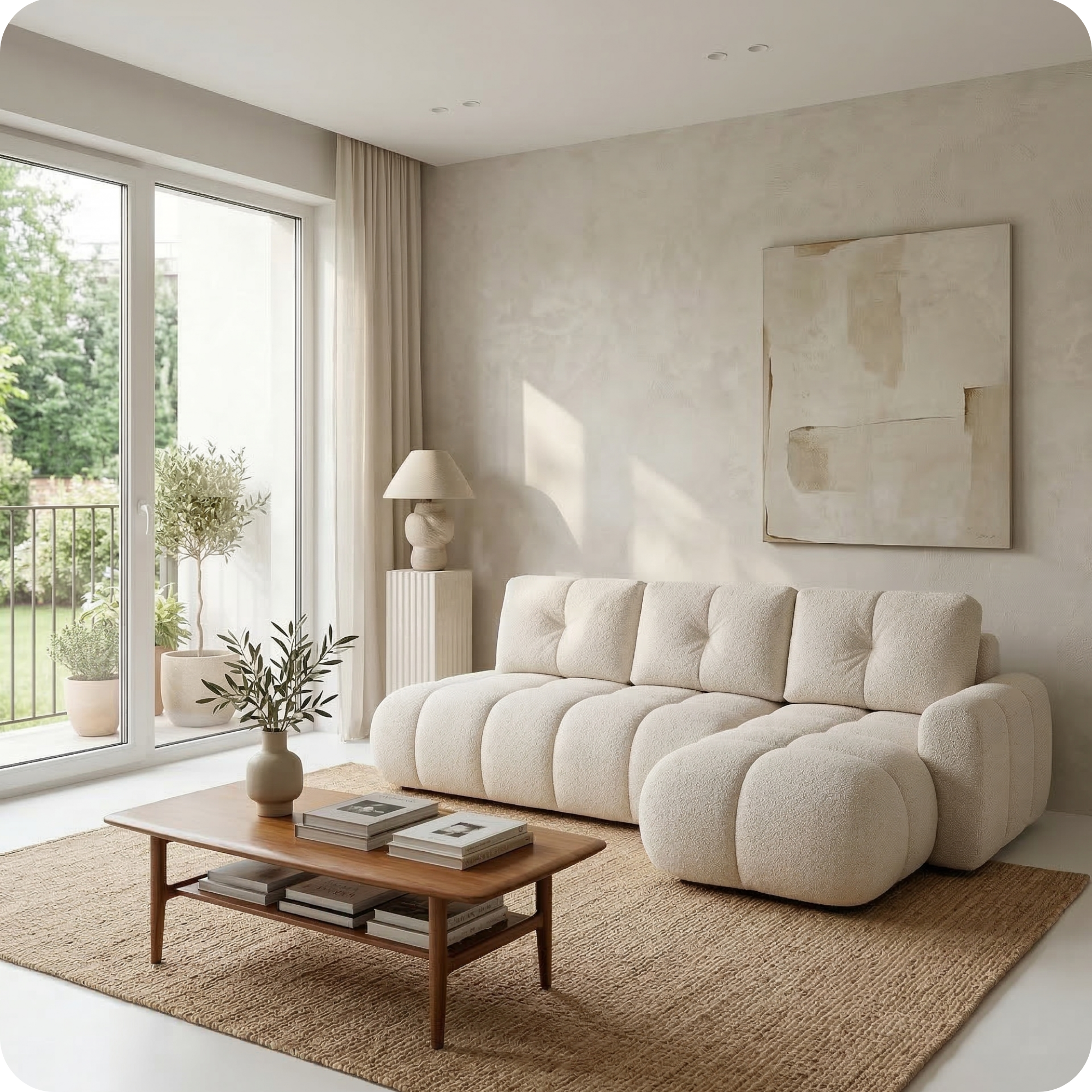
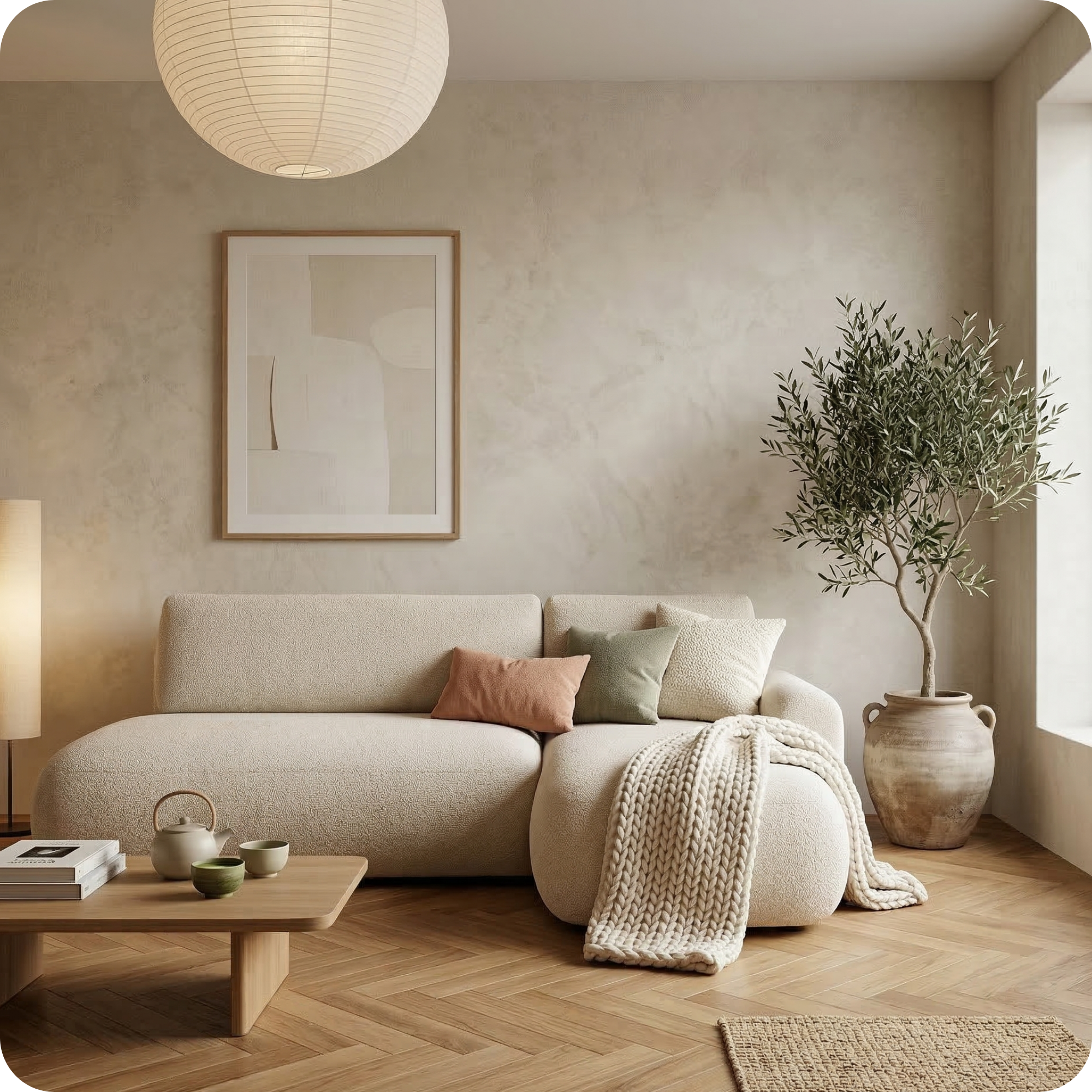
Several principles define the Scandi aesthetic. First: simplicity and minimalism — Scandi design avoids clutter, excess ornamentation, and anything that does not serve a clear functional or aesthetic purpose. Second: natural materials — wood (particularly pale birch, pine, and oak), wool, linen, leather, and stone are the primary material palette, used for their warmth, texture, and connection to the natural world. Third: light — Scandi interiors maximise light through light-coloured walls, large windows, and carefully layered artificial lighting. Fourth: hygge — the Danish and Norwegian concept of warmth, cosiness, and togetherness that is achieved through soft textiles, candles, warm light, and comfortable furniture.

Lugano Sofa in Light Grey — from EUR 790
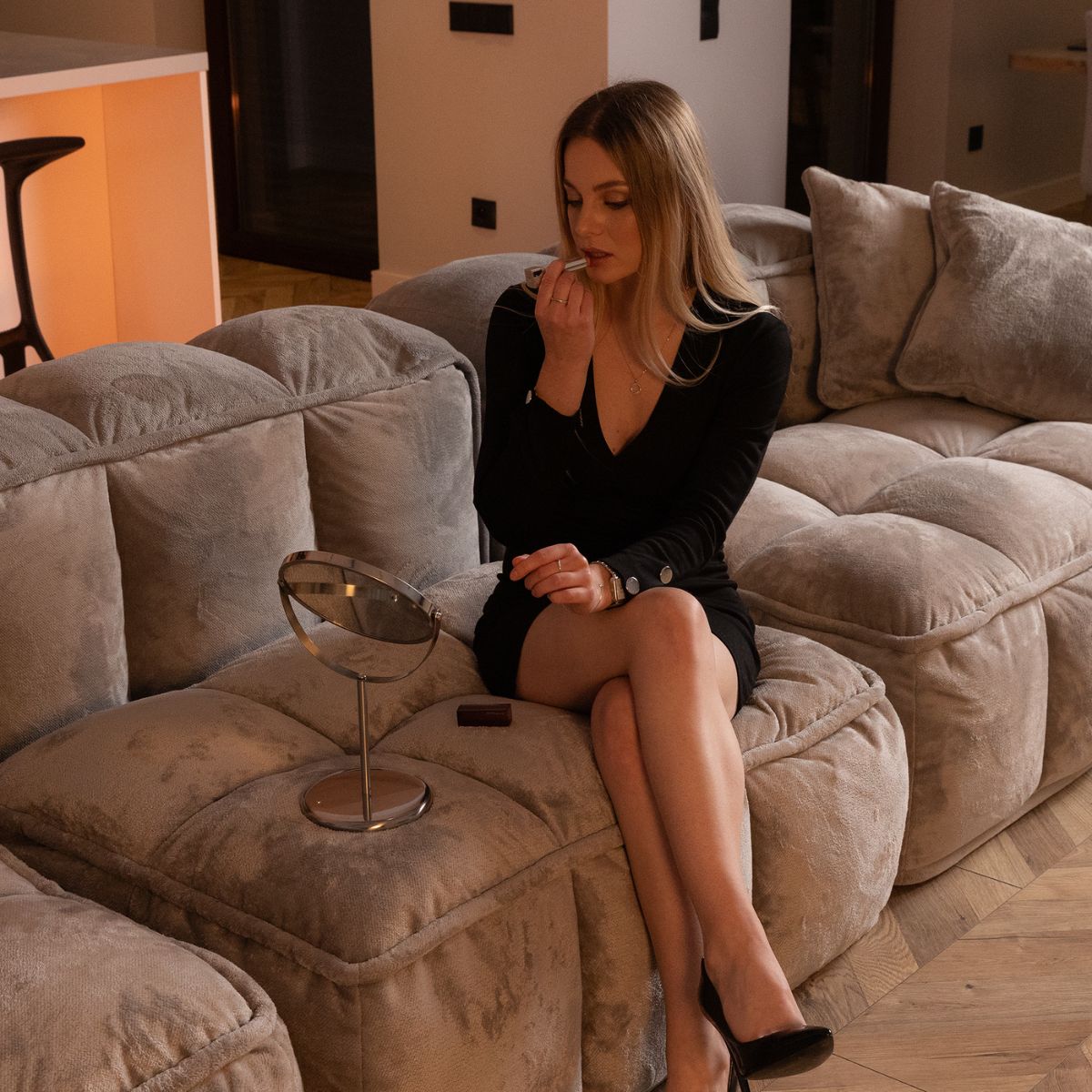
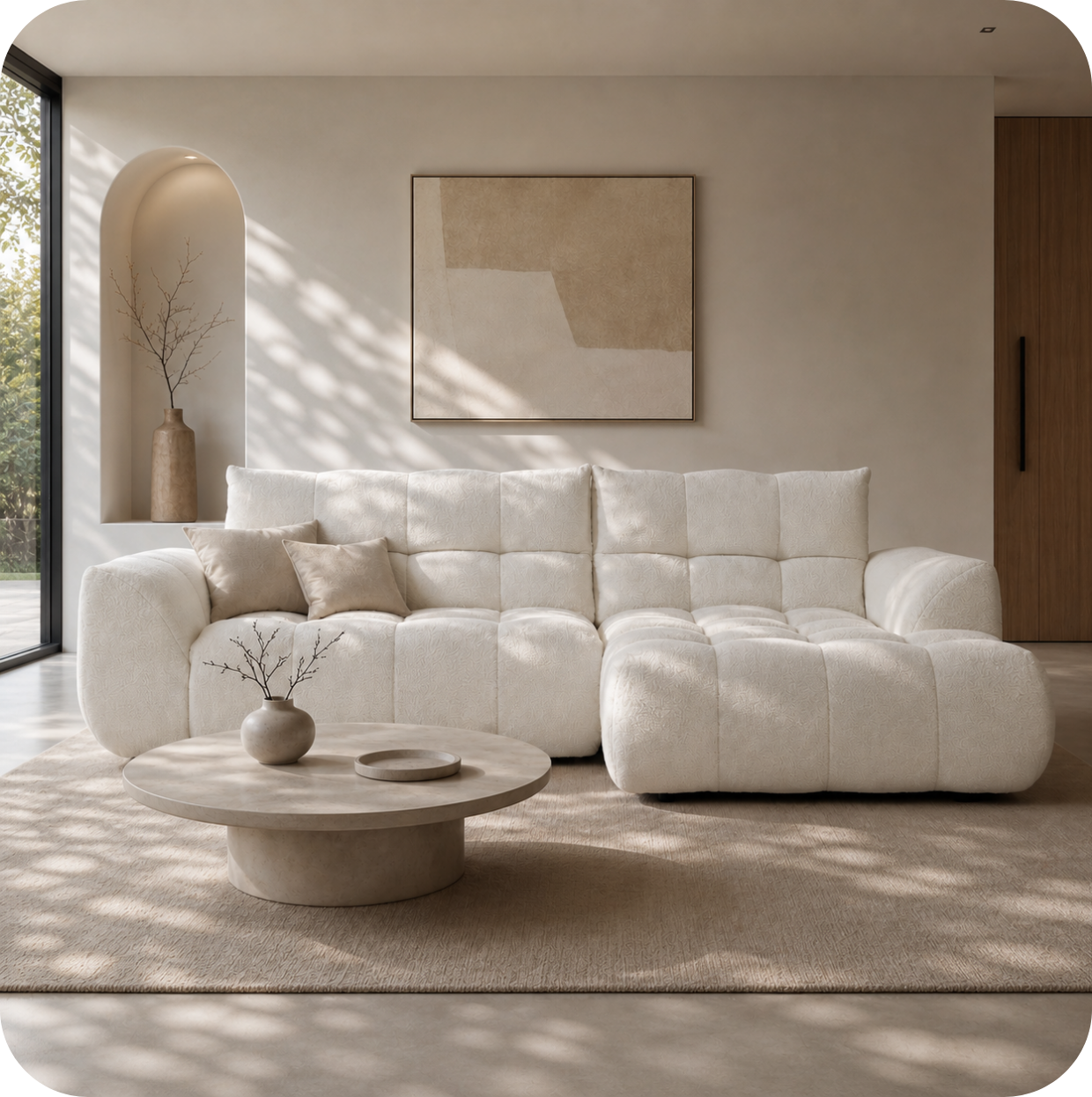
The Lugano in light grey embodies Scandinavian design principles perfectly — its clean lines, restrained silhouette, and neutral colour palette create the kind of calm, considered aesthetic that is central to the Scandi style. Pair with pale wood furniture and linen cushions for a complete Nordic look.

Riva 3-Seater Sofa — from EUR 890
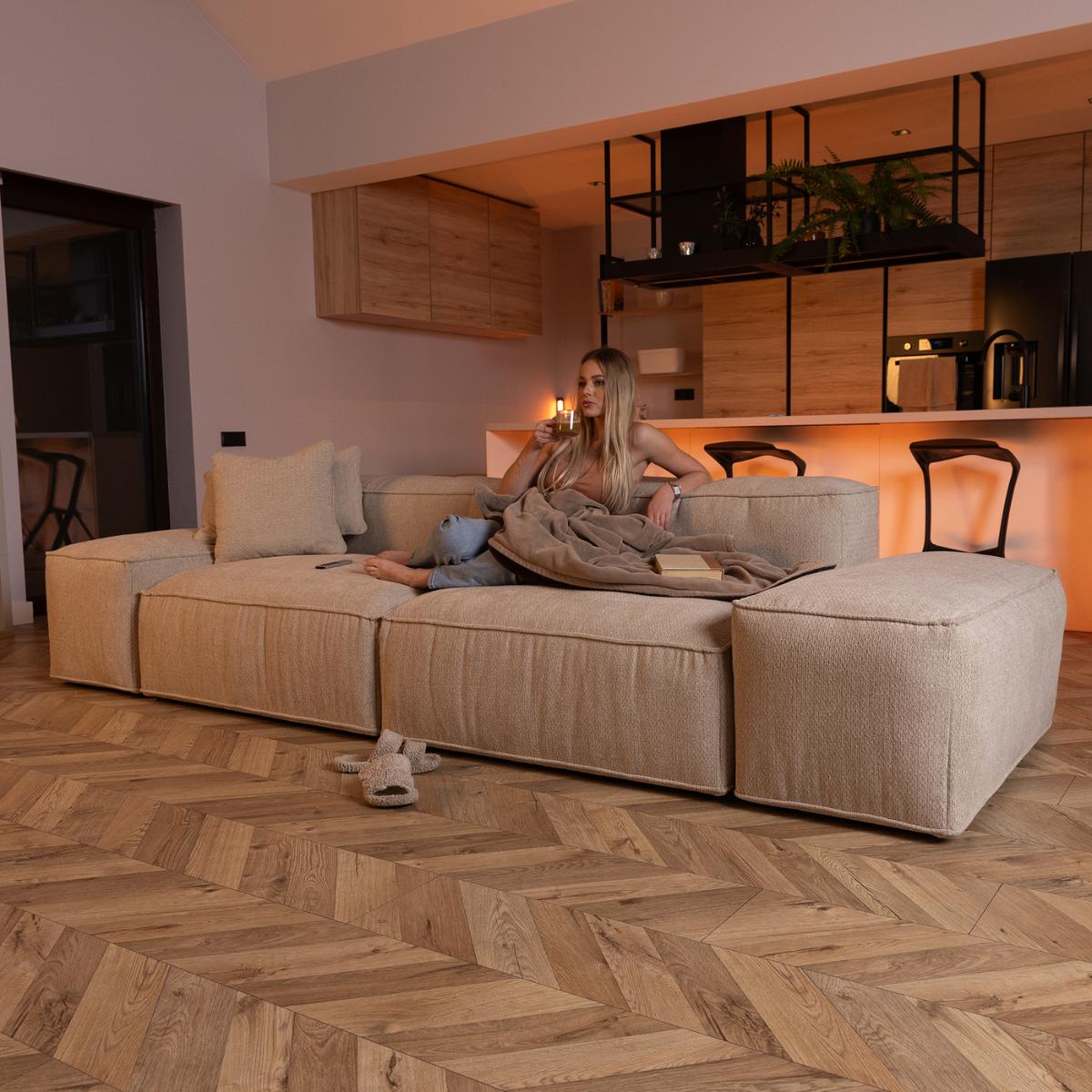
The Riva's streamlined profile and minimal design language make it an ideal fit for Scandinavian-inspired interiors. Its unpretentious, functional aesthetic sits perfectly within the Scandi principle that beauty comes from simplicity and quality construction.
Colour Palette: White, Grey, and Natural
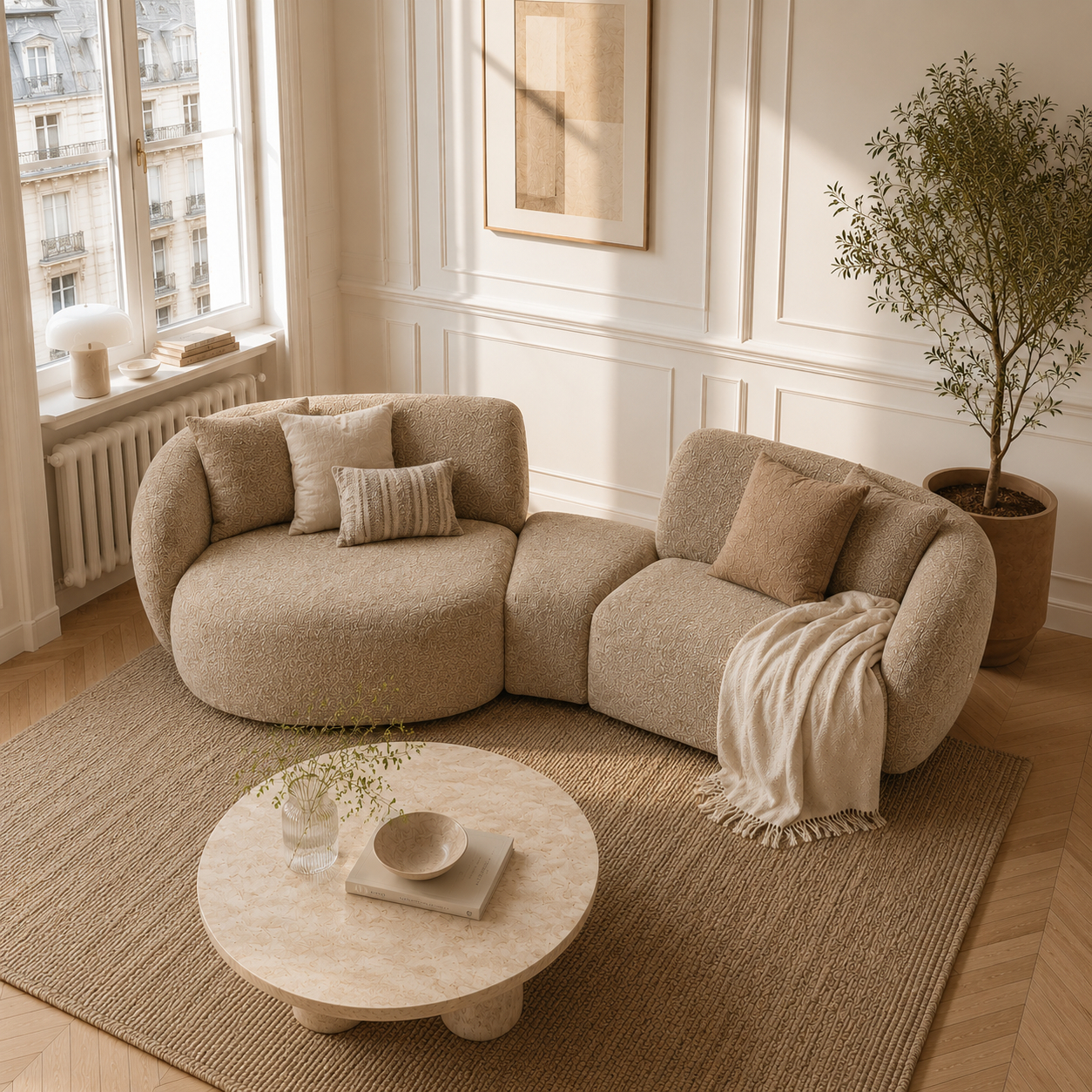
The classic Scandi colour palette is built on white and off-white walls (to maximise light), pale wood tones, soft greys, and warm neutrals. This creates a serene, luminous base. Colour is introduced sparingly and deliberately — a deep teal or dusty pink cushion, a terracotta ceramics piece, a warm rust-coloured throw — rather than through large expanses of painted wall. Black accents — in furniture legs, light fittings, and frames — add definition and prevent the palette from becoming too pale and insubstantial. Forest green, through plants and textiles, is perhaps the most common colour accent in contemporary Scandi interiors.
Textiles, Lighting, and the Art of Hygge
Textiles are one of the most important elements in a Scandi interior — they provide the softness and warmth that counterbalance the clean lines and minimal furniture. Layer wool throws, linen cushions, and sheepskin rugs to create a sense of comfort and tactile richness. Lighting is equally important: Scandi design uses multiple low-level light sources — table lamps, floor lamps, pendant lights — rather than central overhead lighting, which is considered harsh and unflattering. Candles are fundamental: the flickering warmth of candlelight is central to the concept of hygge. A well-executed Scandi living room feels like an antidote to the outside world — calm, warm, beautiful, and completely welcoming.

Zostaw komentarz
Ta strona jest chroniona przez hCaptcha i obowiązują na niej Polityka prywatności i Warunki korzystania z usługi serwisu hCaptcha.