


Scandinavian Interior Design: How to Create the Perfect Scandi Living Room
Scandinavian interior design has influenced global interiors more consistently over the past 50 years than any other regional aesthetic. Its principles — functional simplicity, natural materials, considered minimalism, and an emphasis on warmth and hygge — translate across cultures and climates in a way that pure minimalism or pure maximalism does not. This guide explains the core principles of Scandi design and how to apply them to create a living room that is both beautiful and genuinely liveable.
The Core Principles of Scandi Design
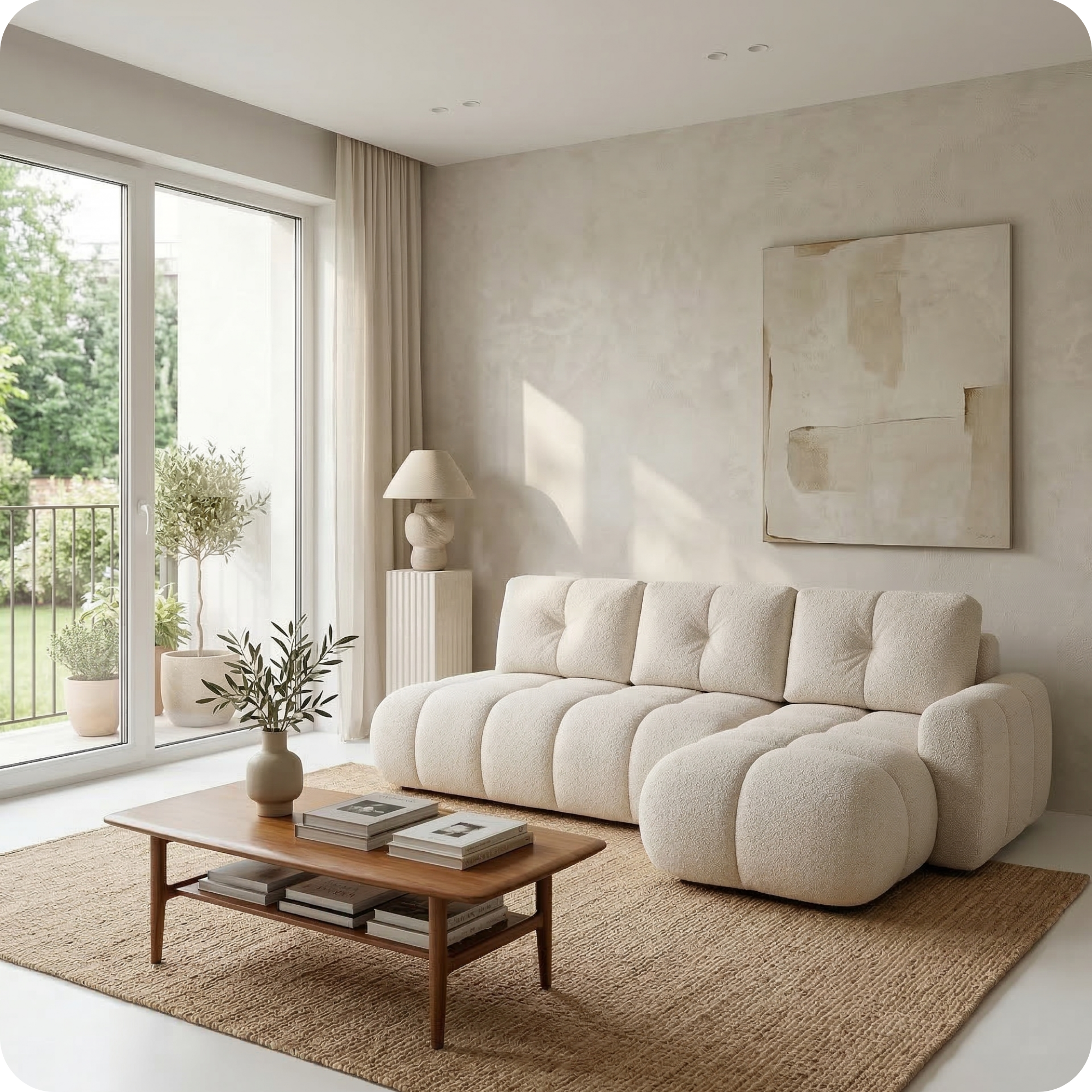
Scandinavian design is built on five interconnected principles. Functionality: every element serves a purpose, and decorative objects earn their place by being genuinely beautiful or useful. Natural materials: wood, wool, linen, leather, and stone are the Scandi palette's foundation — synthetic and overly processed materials are used minimally. Restraint: the room contains fewer objects than you might expect, and the objects that are present have more visual breathing room as a result. Warmth: despite its minimal quality, a Scandi room should feel warm and inviting — candlelight, soft textiles, and layered textures achieve this. Light: Scandi design originated in a part of the world where natural light is precious and scarce in winter — the design sensibility reflects this in its emphasis on pale walls, reflective surfaces, and maximising natural light.
The Scandi Colour Palette
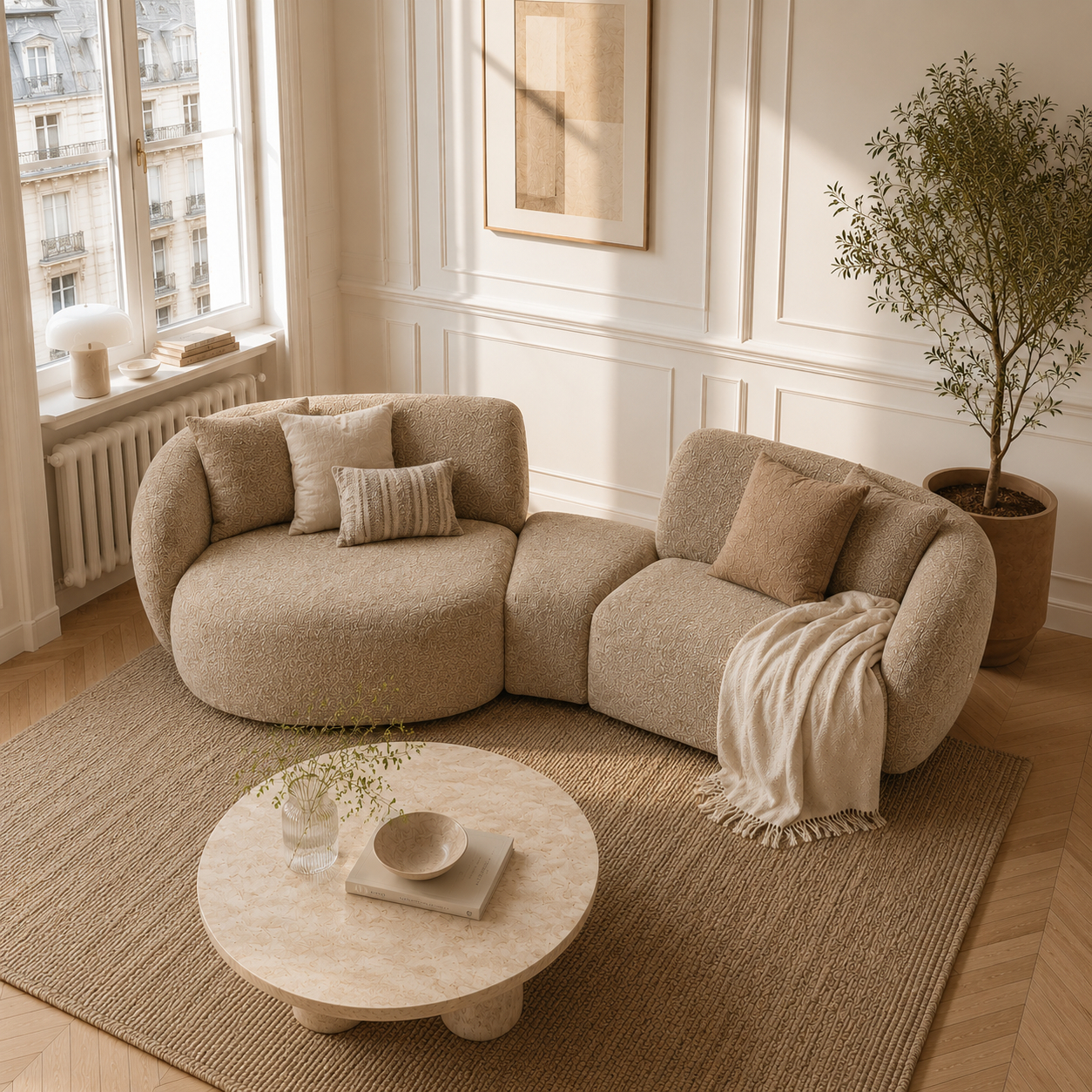
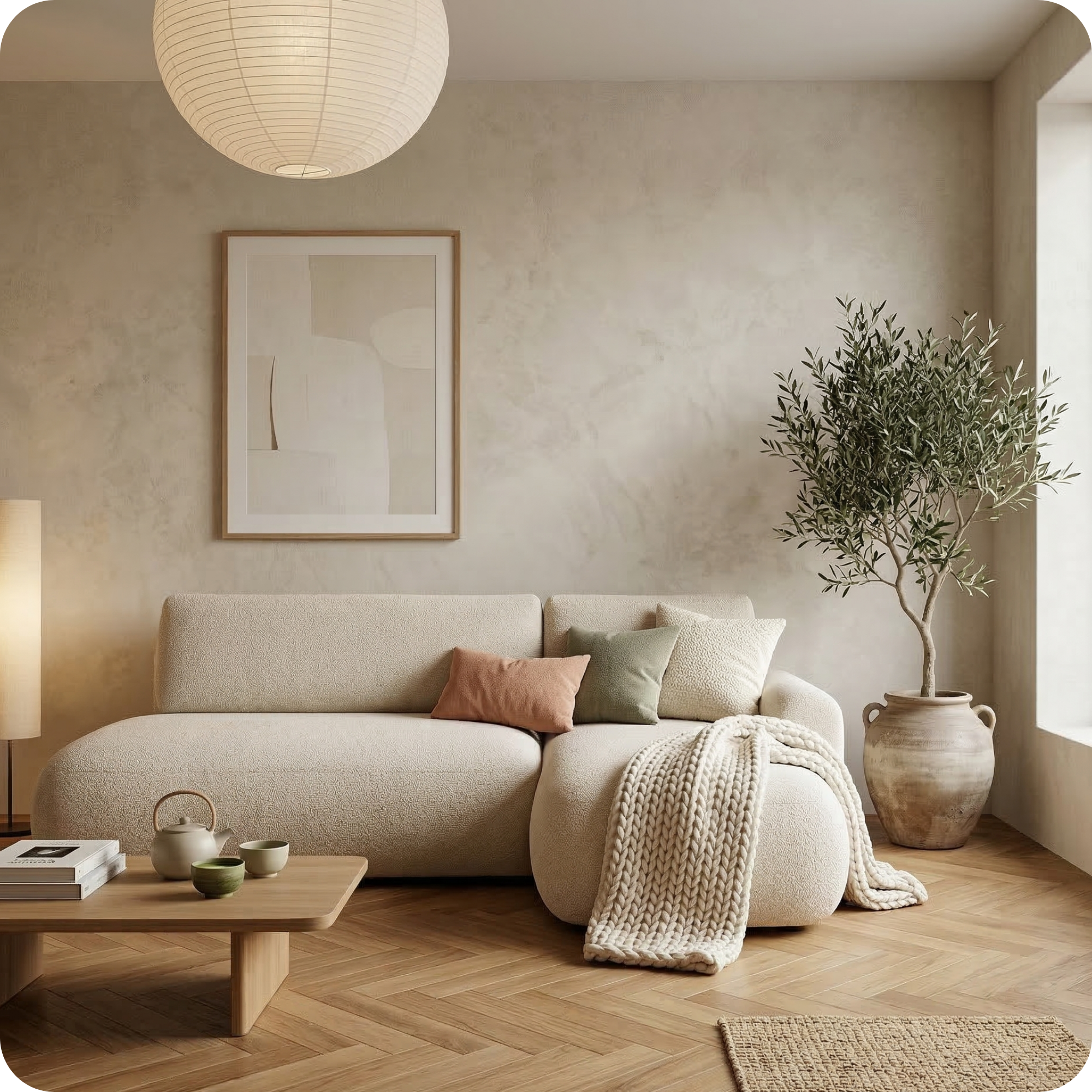
Scandi colour palettes are typically light and quiet. White, off-white, light grey, warm beige, and warm cream form the foundation. Into this pale base, one or two natural accent colours are introduced: dusty blue, warm terracotta, sage green, or muted yellow. Black appears as a graphic accent — in lamp cords, picture frames, and iron hardware — providing definition without weight. The palette avoids loud, high-saturation colours — every colour in a Scandi room has a grey or muted quality that keeps the whole composition restful.

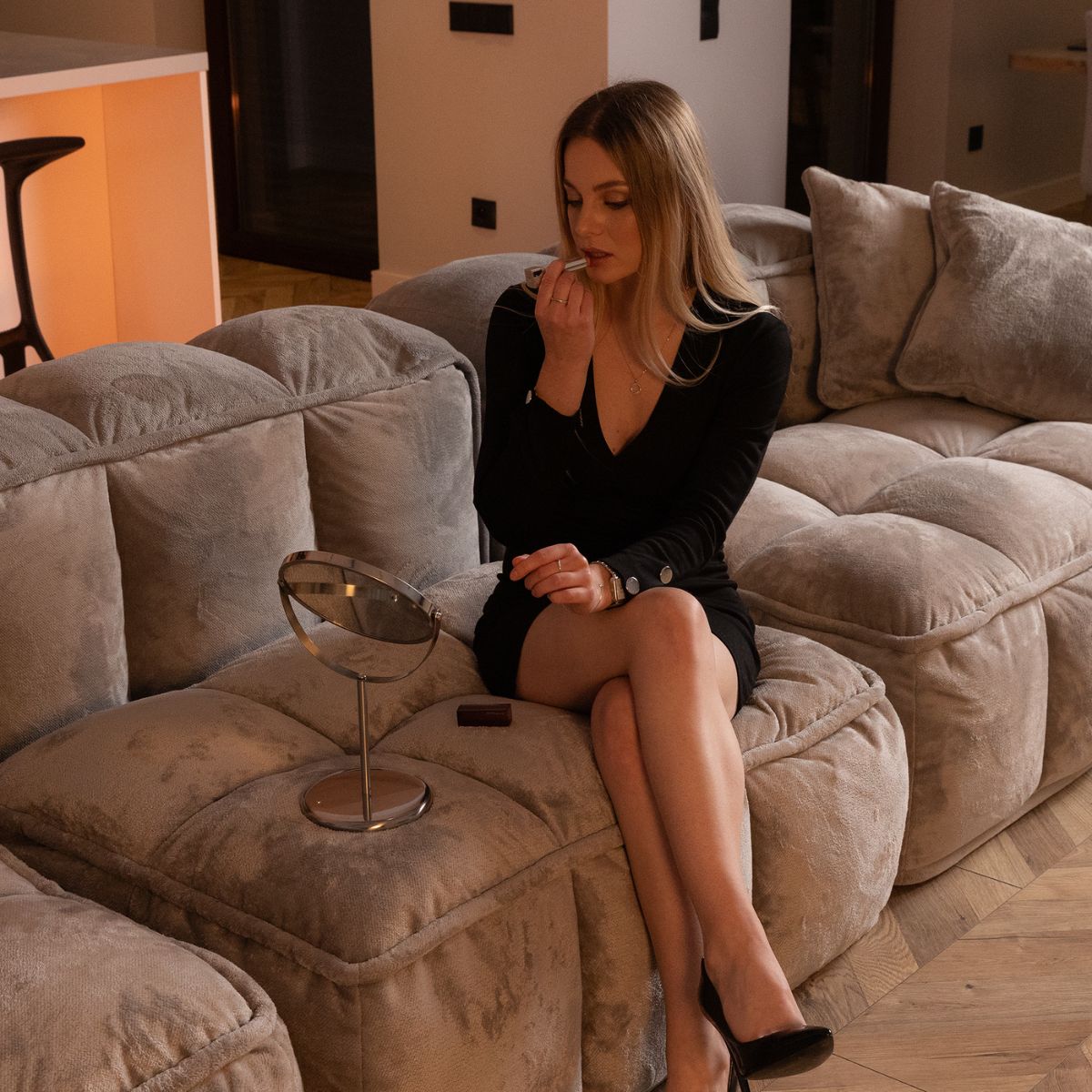
Lugano Sofa — Light Grey — from EUR 990
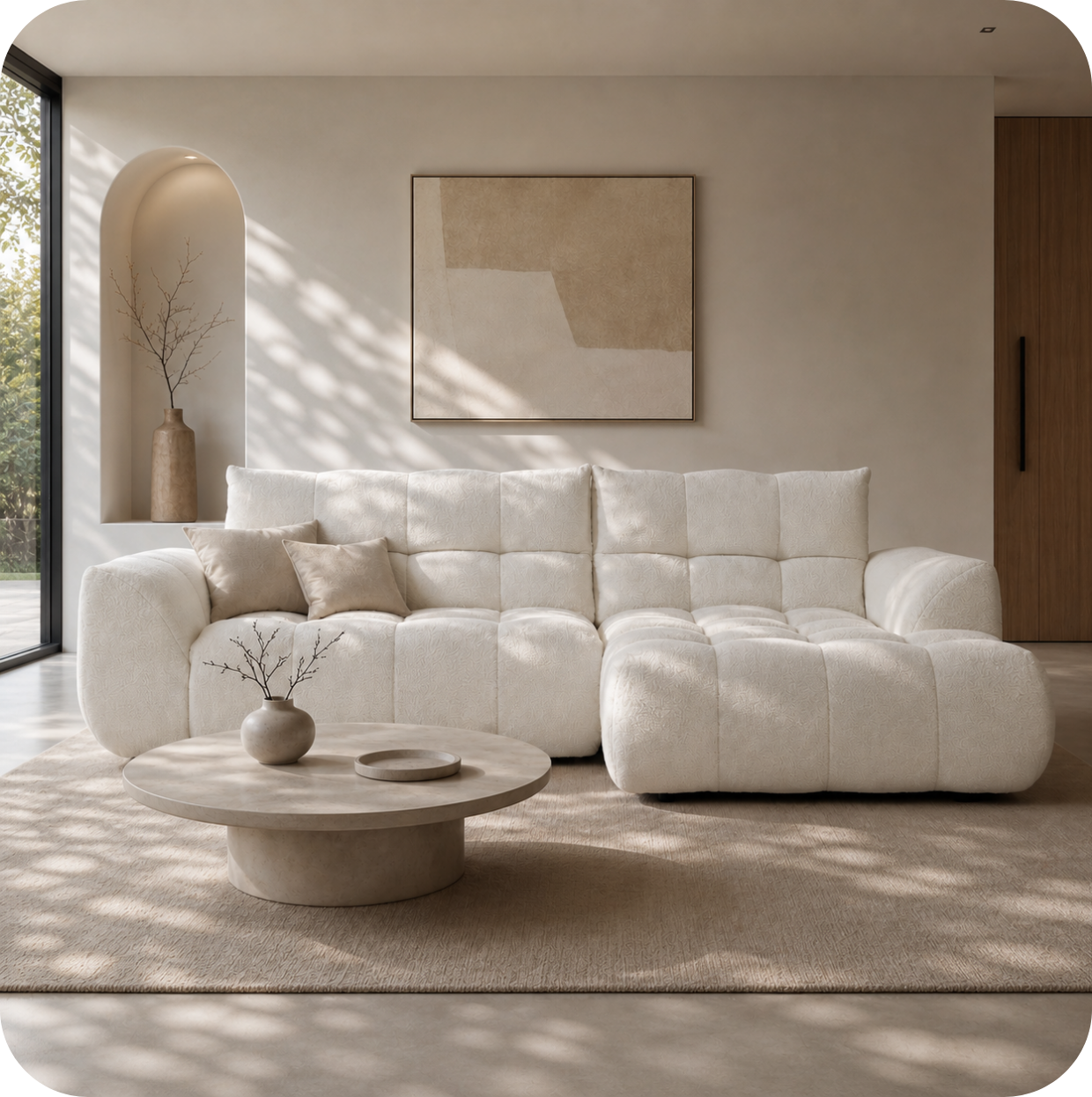
The Lugano in light grey is a natural fit for Scandinavian interiors. Its clean, uncluttered lines embody the Scandi principle of functional elegance, and the light grey tone sits perfectly within the classic Scandi palette of whites, greys, and natural accents. Pair with a warm oak coffee table, a textured wool throw, and a simple black floor lamp for a fully coherent Scandi look.

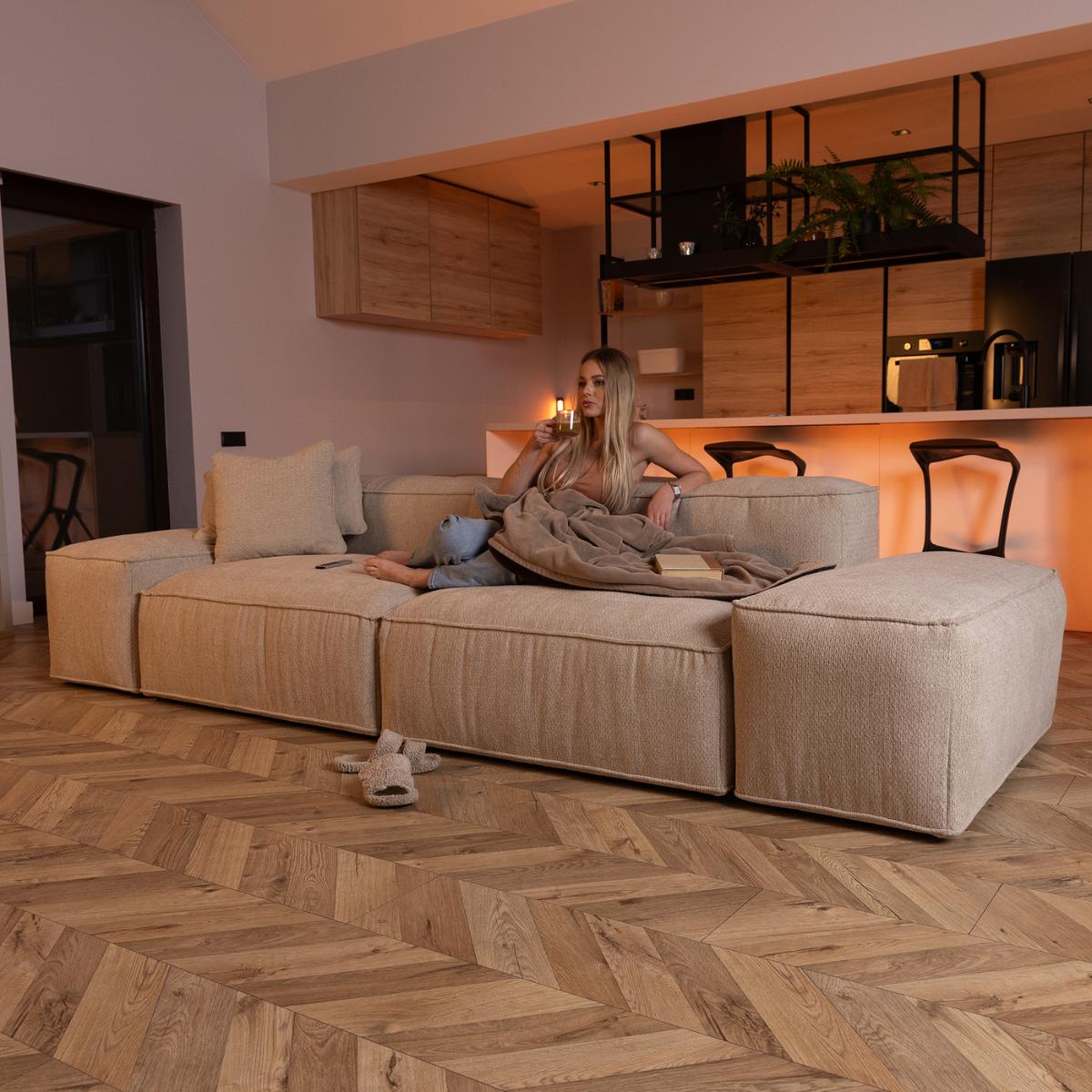
Riva 3-Seater Sofa — from EUR 1.290
The Riva's restrained silhouette and natural upholstery tones make it particularly well suited to Scandinavian interiors. Its clean-lined design doesn't compete with the other carefully chosen elements in a Scandi room — it functions as a beautiful, functional anchor that supports the overall composition rather than dominating it.
Furniture in Scandi Design
Scandi furniture is characterised by: exposed natural wood — typically light oak, birch, beech, or ash rather than dark walnut or cherry; clean, geometric forms without ornament — no carved legs, no decorative mouldings; moderate scale — furniture is neither very large nor very small; and honest construction — joints and joinery are often visible rather than hidden. A Scandi living room typically includes: a sofa in a natural, muted tone; a light wood coffee table; a low sideboard or TV unit in light wood; one or two accent chairs; and a simple floor lamp or pendant light in black or brass.
Textiles and Softness
Scandi interiors use textiles extensively to counterbalance the clean, hard lines of the furniture and architecture. Wool throws in natural tones (oatmeal, cream, grey, dusty blue); sheepskin accents on chairs or ottomans; linen cushions in muted tones; and a natural fibre rug (wool, jute, or cotton) all contribute to the warmth that prevents Scandi design from feeling cold. Without these layered textiles, a Scandi room can tip into clinical — the soft elements are not optional decorative additions but structural components of the aesthetic.
Hygge: The Emotional Core
Hygge — the Danish concept of cosiness, conviviality, and comfortable togetherness — is the emotional dimension that distinguishes Scandinavian design from pure minimalism. A hygge-oriented room prioritises: soft, warm lighting (candlelight and warm-toned lamps rather than overhead fluorescents); comfortable seating that encourages people to stay and relax; objects that have personal meaning; and a sense of being enclosed and sheltered rather than open and exposed. The perfect Scandi living room isn't just visually pleasing — it feels like the right place to spend a winter evening with people you care about.

Zostaw komentarz
Ta strona jest chroniona przez hCaptcha i obowiązują na niej Polityka prywatności i Warunki korzystania z usługi serwisu hCaptcha.