


Scandinavian Style Living Room: How to Create a Nordic Interior in 2026
Scandinavian interior design has been one of the most consistently popular styles in European home design for the past decade — and its continued relevance in 2026 is not difficult to understand. It is a style that values practicality alongside beauty, that uses restraint without feeling cold, and that works in a wide range of apartment sizes from compact urban flats to spacious family homes. This guide covers the core principles of Scandinavian living room design and how to apply them with furniture, colour, and material choices.
The core principles of Scandinavian design
Functionality first: Every object in a Scandinavian room earns its place through function. Decorative objects exist, but they are few and carefully chosen. Storage is integrated rather than surface-mounted. The sofa is large enough to be genuinely useful, not just aesthetically correct. Natural materials: Wood (particularly birch, pine, oak, and ash), wool, linen, cotton, leather, and stone are the primary material vocabulary. Synthetic materials are used only where they genuinely outperform natural alternatives (certain upholstery fabrics, for example, need the durability that synthetic fibres provide). Light as a design element: Scandinavian design emerged from a climate with limited natural light for much of the year. Maximising the effect of available light — through light wall colours, reflective surfaces, and multiple layered light sources — is a core preoccupation. Restraint: Less, done well. A single well-made object is preferred to several average objects. The colour palette is limited. The room breathes.
The Scandinavian colour palette for living rooms
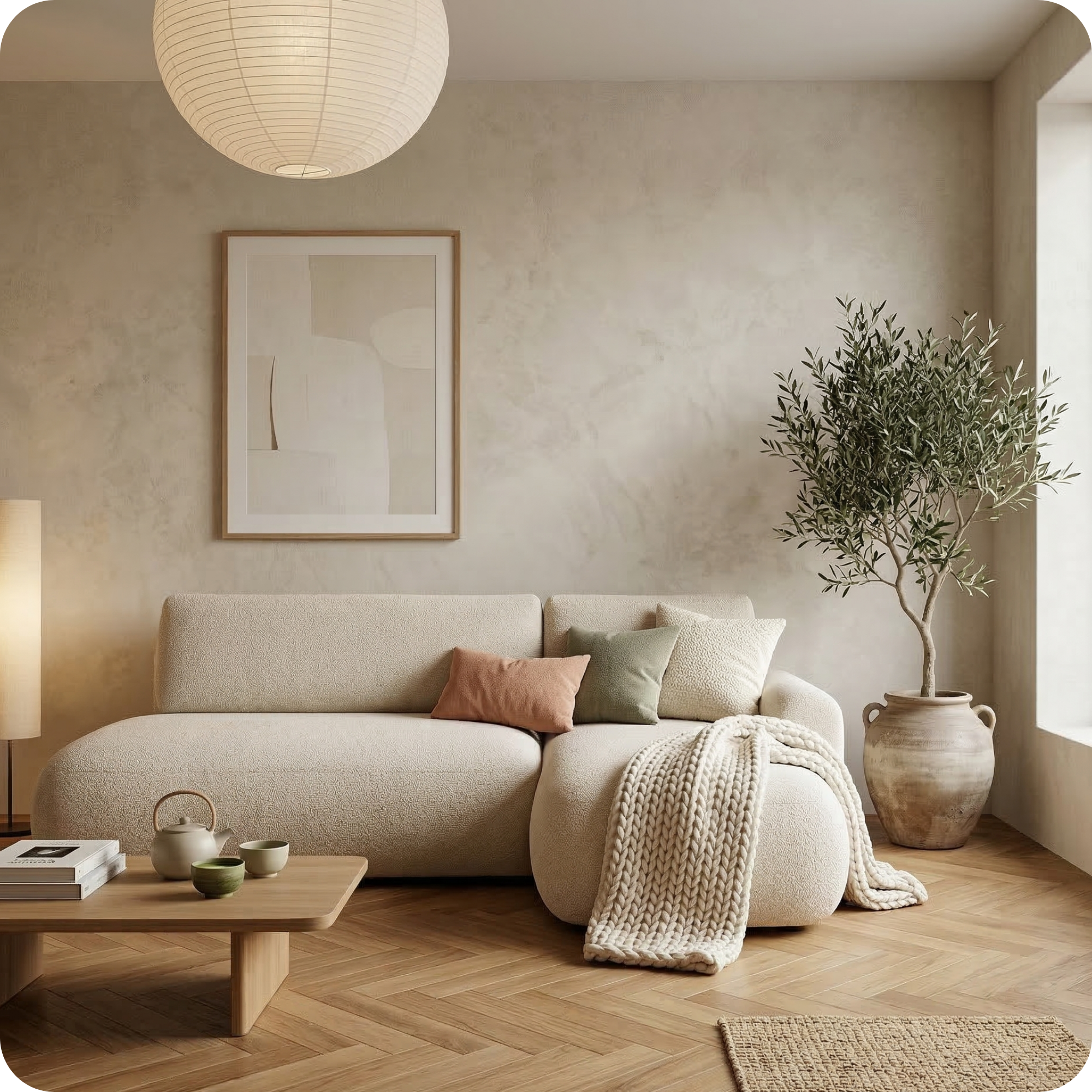
The classic Scandinavian palette is white, off-white, light grey, and natural wood tones, with a single accent colour used sparingly. In 2026, the palette has broadened somewhat to include sage green, dusty blue, terracotta (used as a warm accent), and warm-toned creams and oat colours. Black is used as a graphic accent — in lamp shades, picture frames, and metal hardware — rather than as a primary colour.
Choosing a Scandinavian sofa

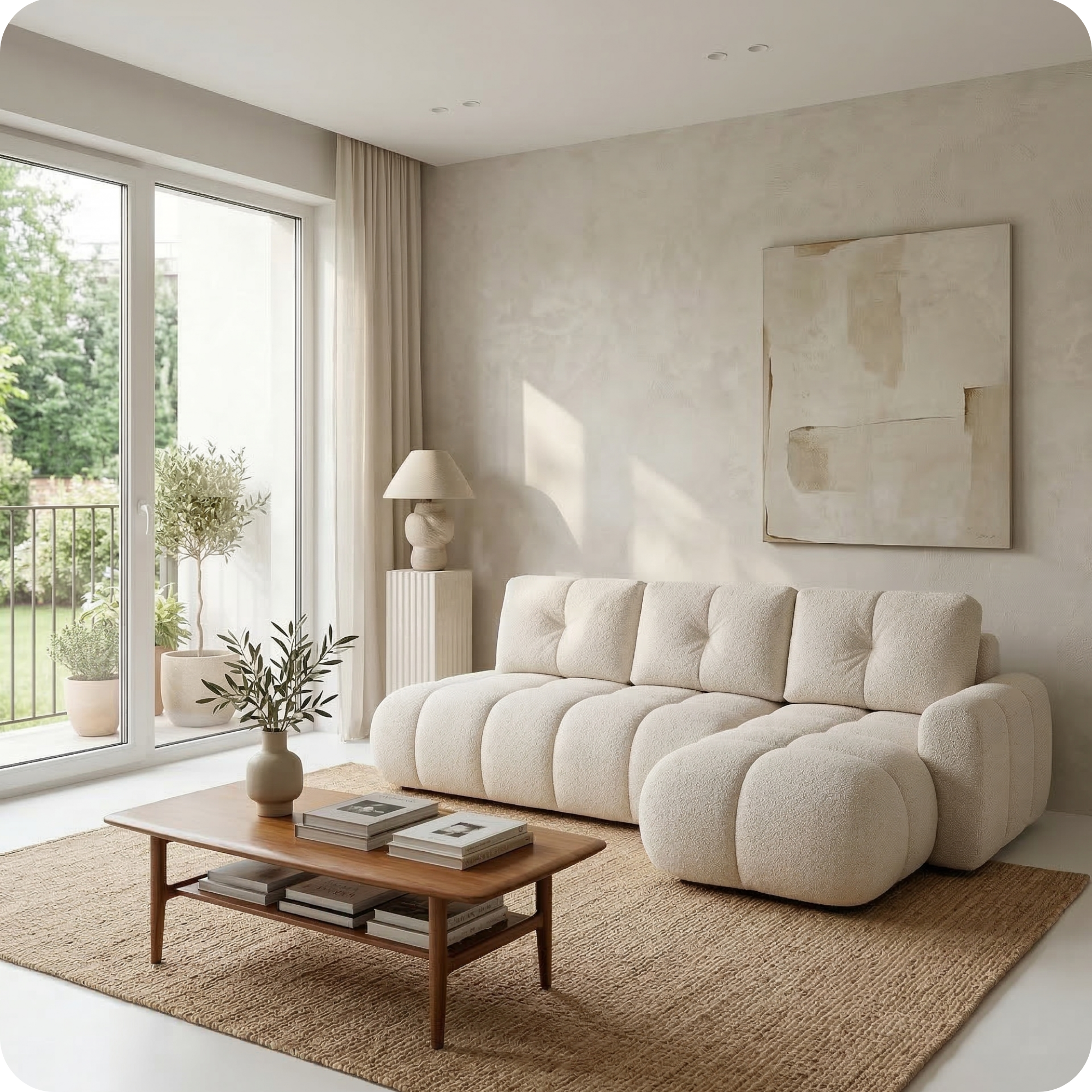
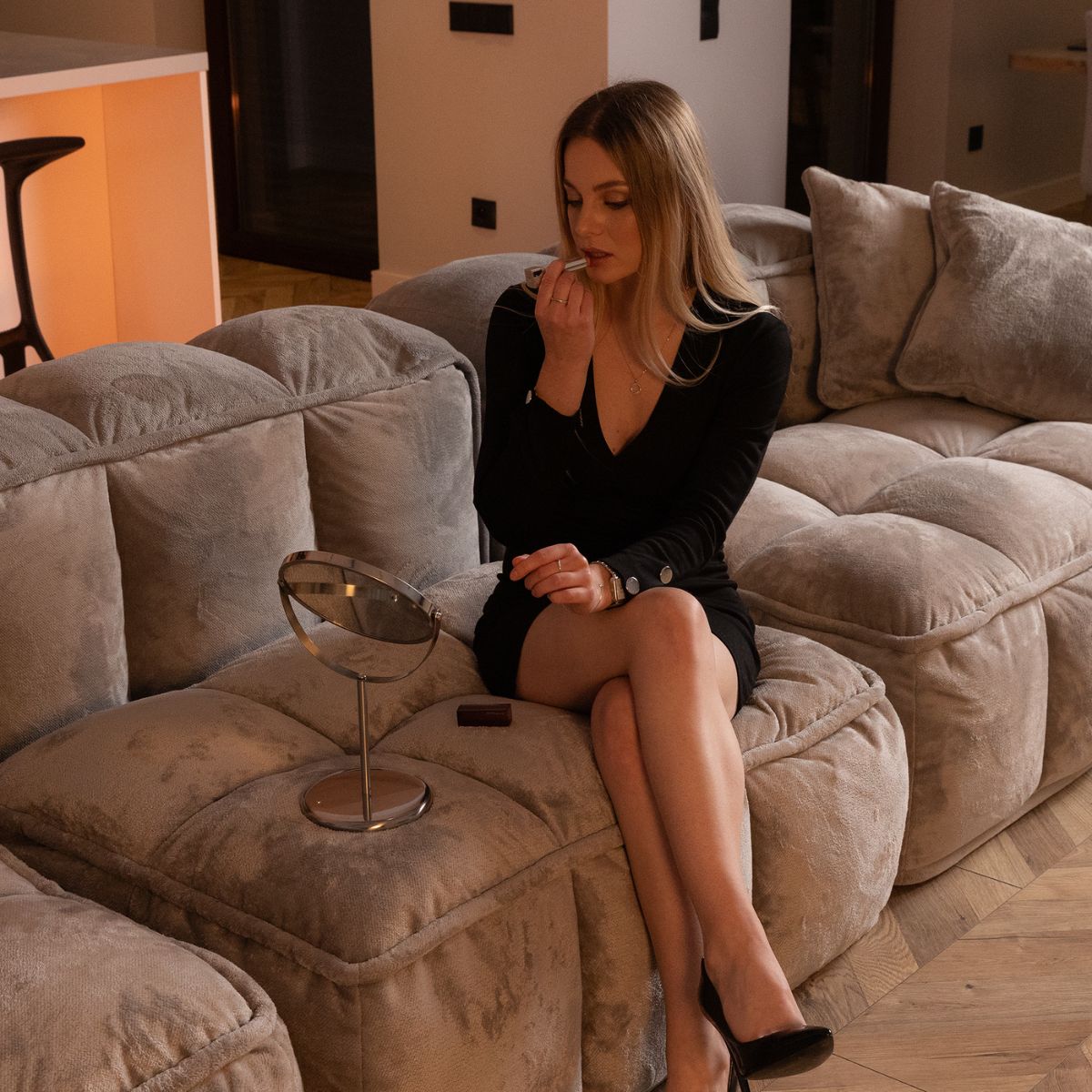
Lugano Light Grey — the quintessential Scandinavian sofa colour. Light grey reads as both modern and warm in the right context, works with virtually every other element in the Scandinavian palette, and allows the natural materials around it (wood floor, linen curtains, wool rug) to be the visual protagonists of the room.

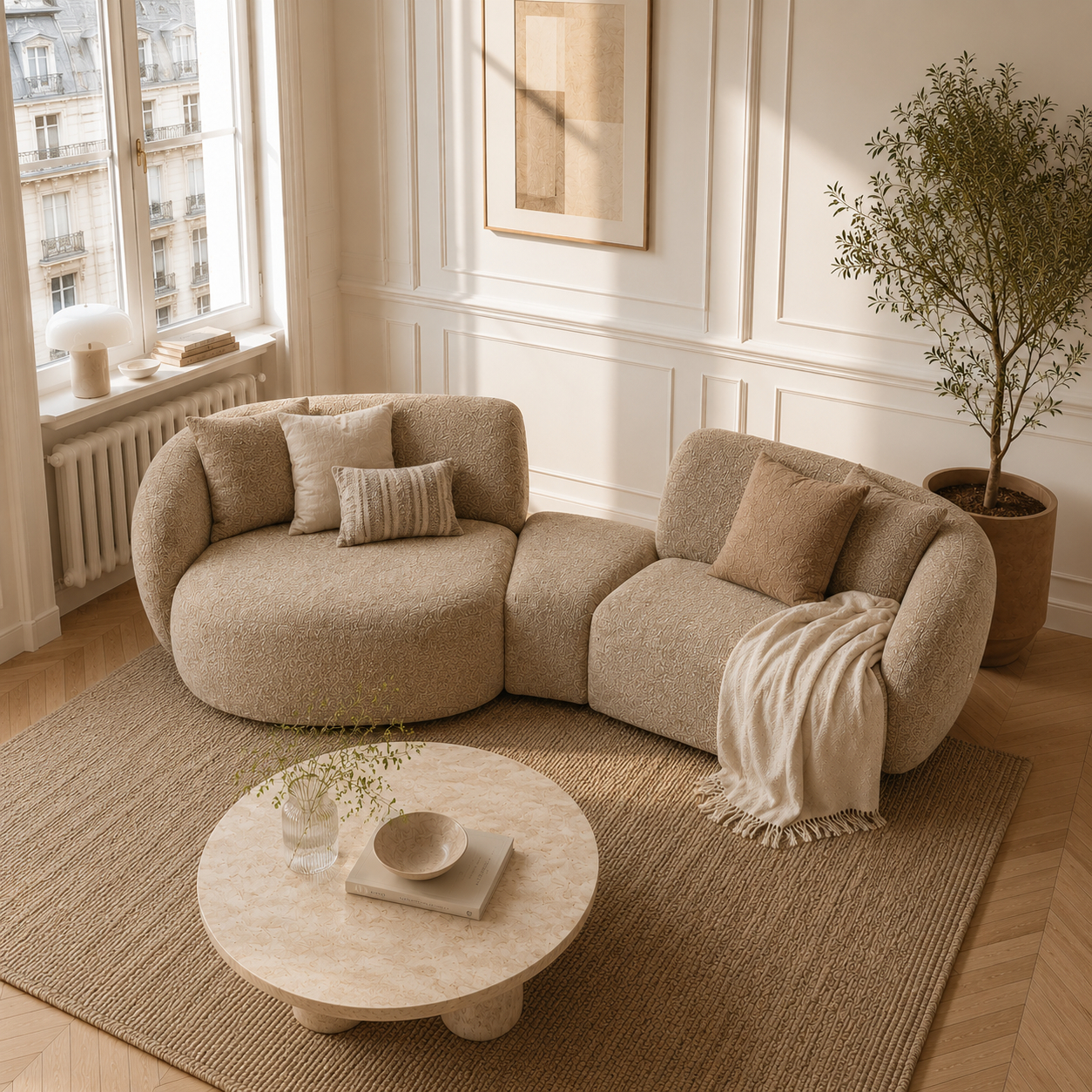
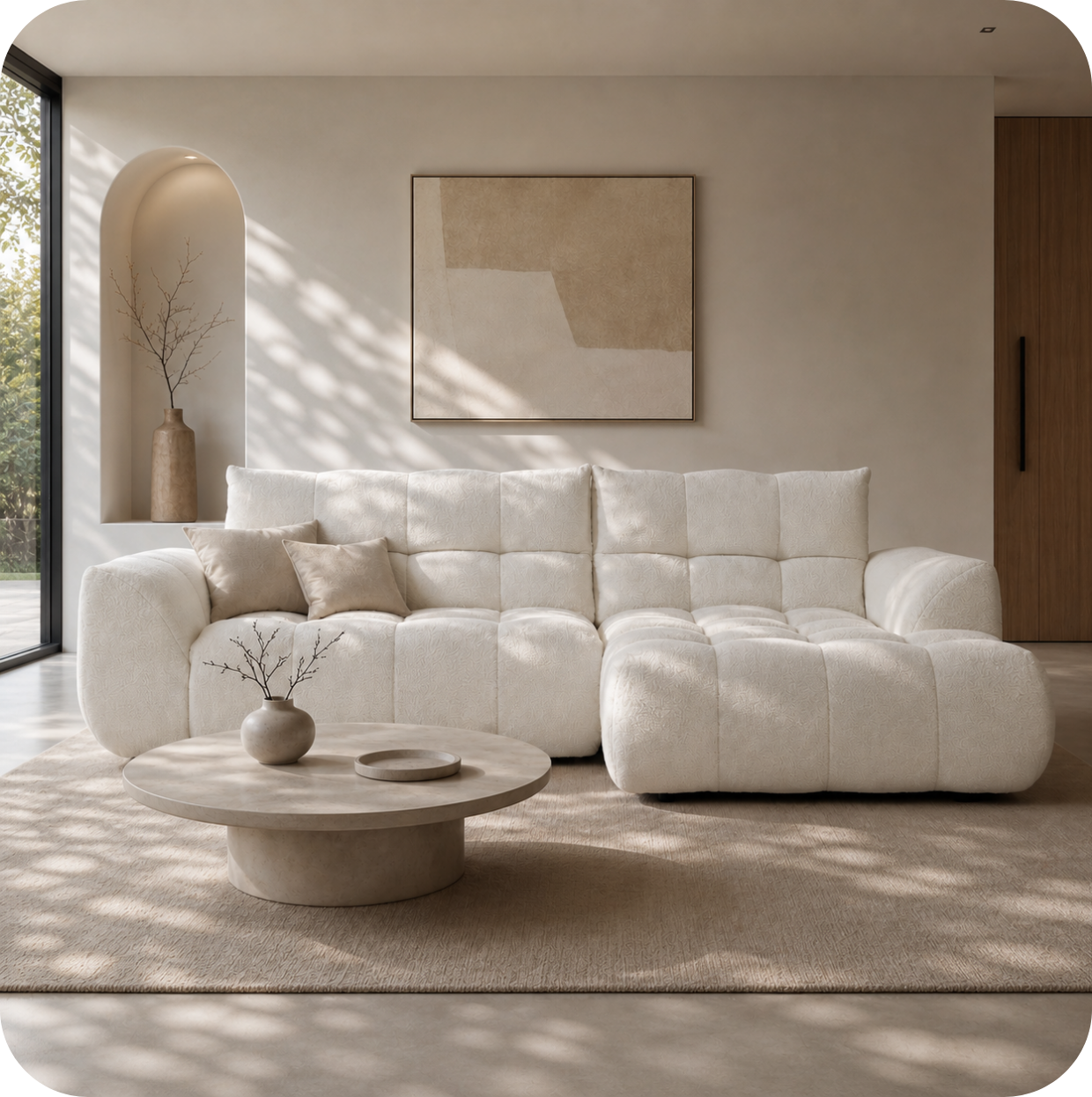
Lugano Sand — the warmer Scandinavian option. Sand, oat, and greige sofas have become more common in contemporary Nordic interiors as the palette has shifted away from pure cool grey toward warmer neutrals. Works particularly well with white-painted walls, birch or ash wood floors, and natural linen accessories.
The sofa as the room's centrepiece

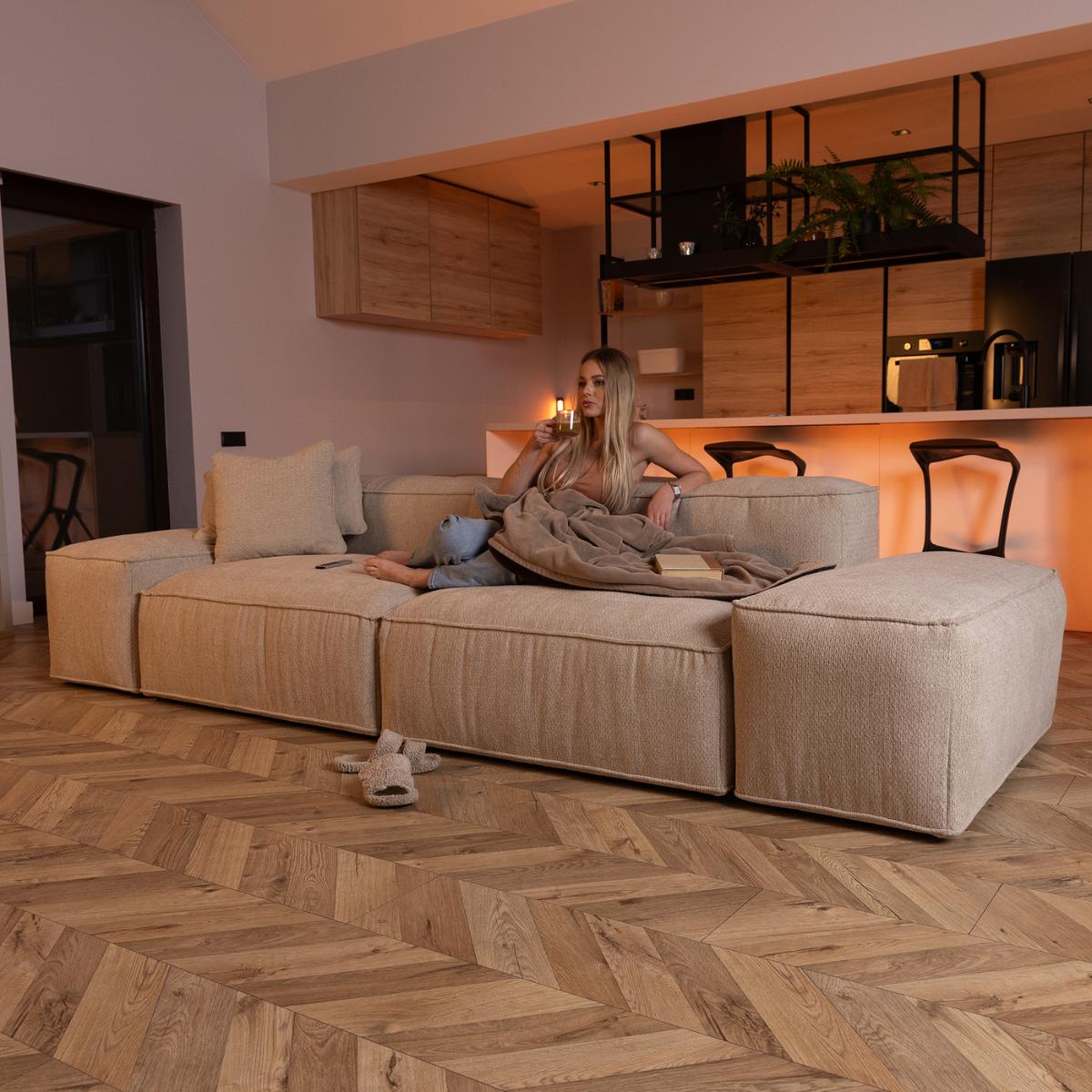
Merlot Modular Sofa — the Merlot's clean, geometric proportions align well with Scandinavian design principles. Its modularity reflects the Nordic preference for furniture that adapts to the household's needs rather than imposing a fixed form. In a light neutral colour, it becomes the calm centrepiece of a Scandinavian living room.
Natural materials: the Scandinavian material palette
Floors: Light-coloured oak, ash, or pine are the most Scandinavian-appropriate floor choices. Polished concrete with a light rug works in more contemporary Nordic interpretations. Rugs: Flat-weave wool rugs in natural tones or with simple geometric patterns are the most authentic Scandinavian choice. Sheepskin throws and a single large sheepskin rug are also traditional Scandinavian living room elements. Curtains: Linen, in natural, white, or undyed tones, hung close to the ceiling on a simple pole. Linen curtains diffuse the available light beautifully and add the tactile richness that Scandinavian interiors rely on. Wood accents: A wooden coffee table, wooden lamp base, wooden picture frames. The wood should be a complementary but distinct tone from the floor.
Lighting: the most underestimated Scandinavian element
Scandinavian homes are defined by their layered approach to lighting: a pendant light over the seating area (the equivalent of a Nordic "hygge" lamp), two or three table lamps positioned around the room, and candles in winter. Scandinavian lighting never relies on a single overhead source — it always uses multiple light sources at different heights to create warmth and spatial texture. A good pendant light over a living room sofa transforms the seating area from a section of the room to a defined, intimate space.

Zostaw komentarz
Ta strona jest chroniona przez hCaptcha i obowiązują na niej Polityka prywatności i Warunki korzystania z usługi serwisu hCaptcha.