


Sofa Fabric Comparison: Which Fabric Lasts Longest? Complete Guide 2026
The fabric on a sofa does more than determine how it looks. It determines how it wears, how it cleans, how it feels against skin, how it responds to pets and children, and ultimately whether the sofa looks good in five years or looks tired in two. Choosing the right fabric is as important as choosing the right frame -- and far more often neglected. Here is what you need to know.
Understanding Martindale Rub Count
The single most useful number when evaluating sofa fabric durability is the Martindale rub count (or Martindale abrasion rating). This measures how many cycles of friction a fabric can withstand before showing visible wear. The classifications used in European domestic interiors: under 15,000 rubs -- light use (occasional chairs, decorative pieces); 15,000-25,000 rubs -- standard domestic use; 25,000-40,000 rubs -- heavy domestic use (busy households, children, frequent guests); above 40,000 rubs -- contract-grade, virtually indestructible for home use. When choosing a sofa fabric, ask for the Martindale rating. Any quality manufacturer should be able to provide it.
Velvet: Beautiful but Demanding
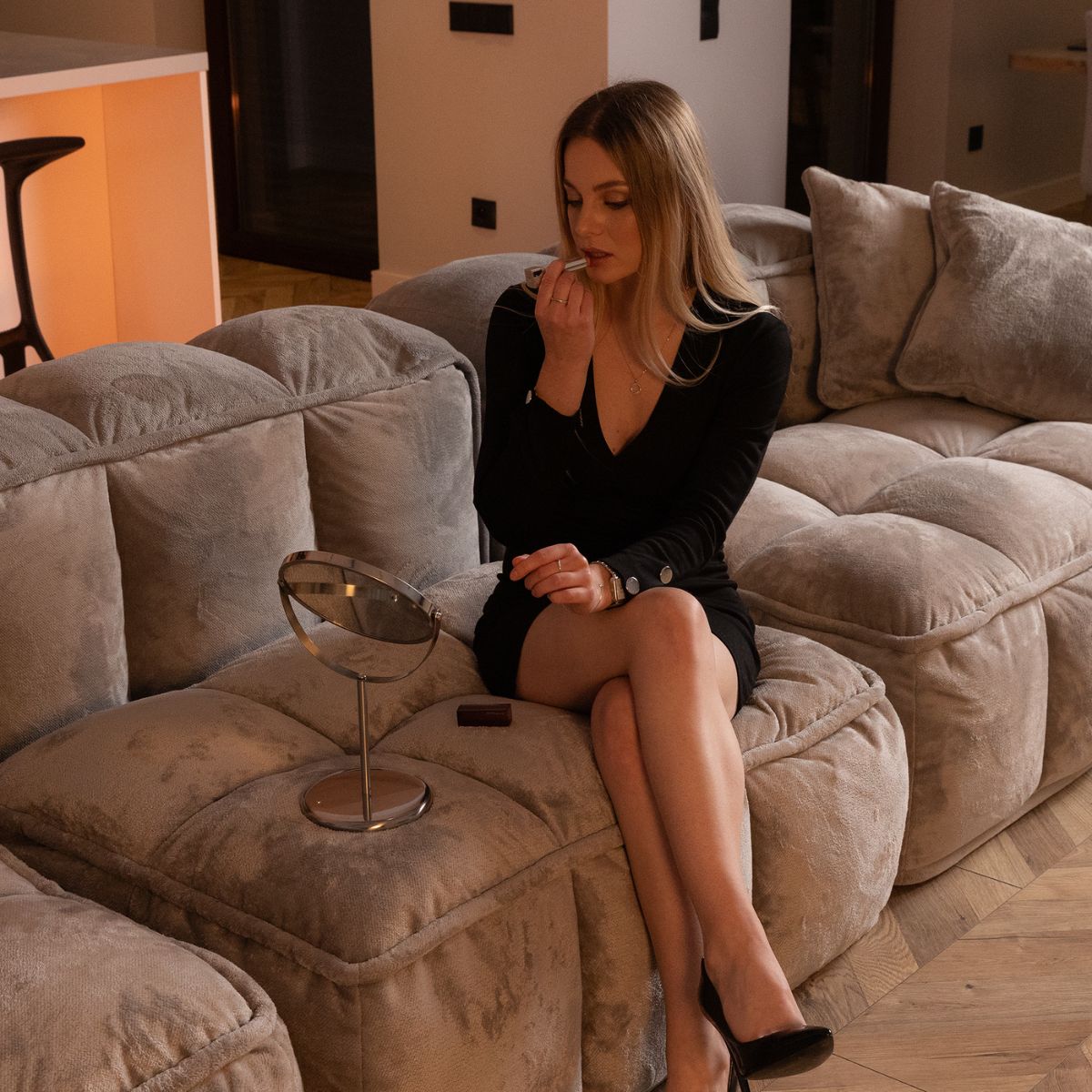
Velvet is one of the most beautiful sofa fabrics -- its pile catches the light with a depth that no flat fabric can replicate. But it requires management. Velvet shows directional marks (pet paw prints, sitting imprints) that usually brush out but are visible until you do. It is vulnerable to water staining if not treated promptly. The Martindale count on quality velvet is typically 25,000-40,000, which is actually decent for domestic use. The maintenance requirement is the real consideration: velvet requires regular brushing and prompt stain treatment to stay looking its best.
Linen and Linen Blends: Natural and Breathable
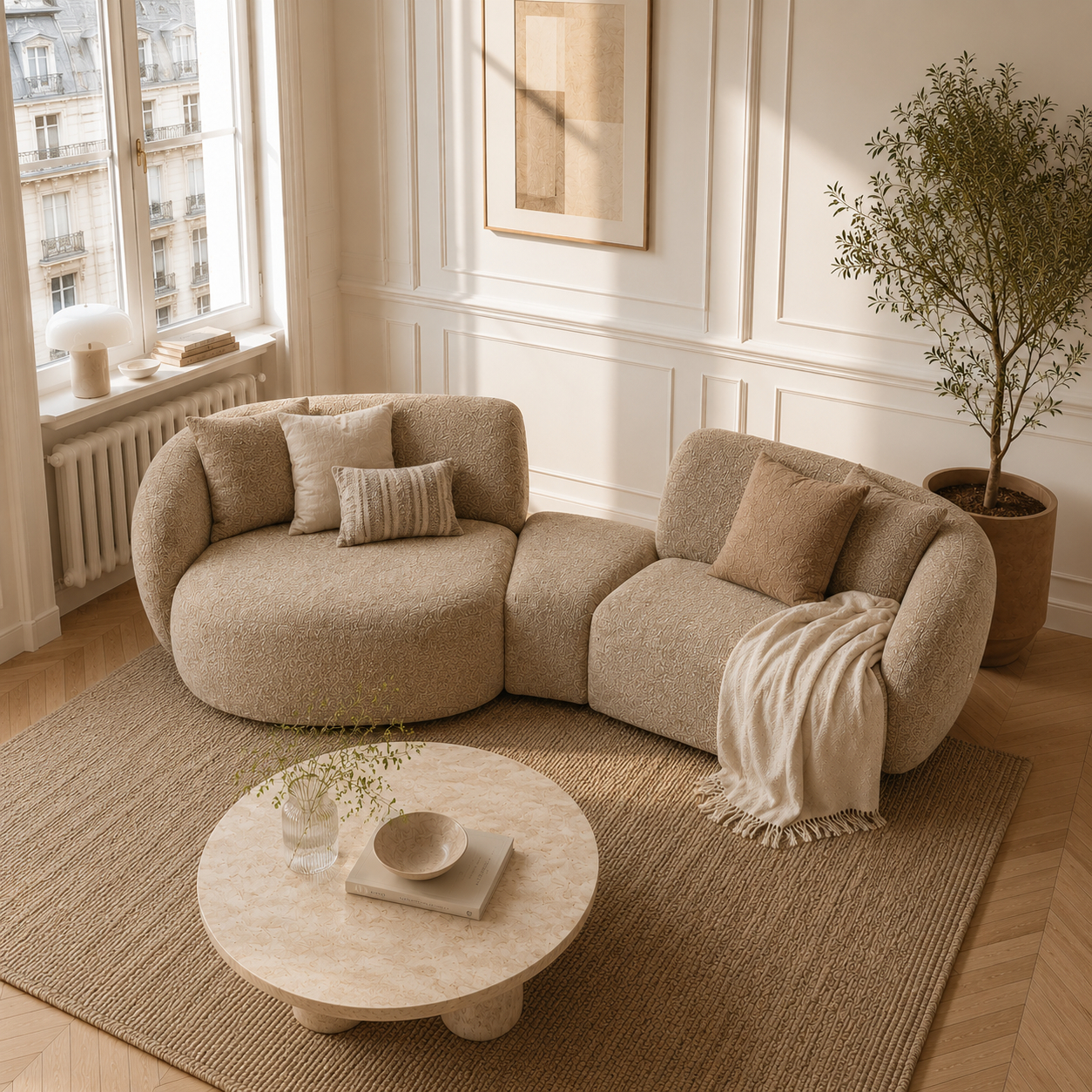
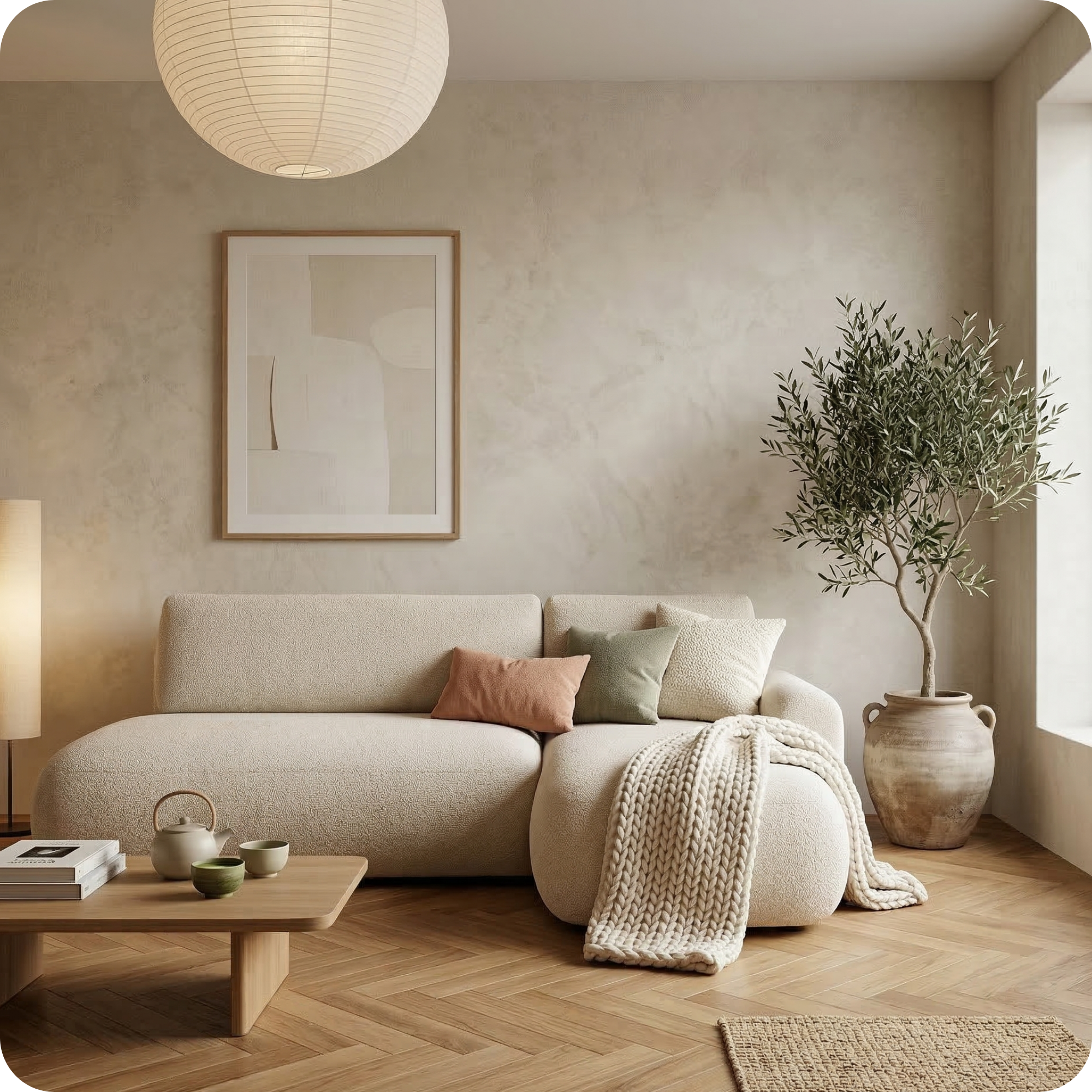
Linen is a natural fibre with inherent texture that photographs beautifully and feels cool to the touch in warm weather. Pure linen is relatively delicate -- it wrinkles, it can be unforgiving of liquid stains, and it typically has a lower Martindale count (15,000-20,000) than synthetic or blended alternatives. Linen blends (linen combined with cotton, polyester, or viscose) offer a significantly better durability profile while retaining the natural, breathable quality of pure linen. This is the sweet spot for most buyers who love the linen aesthetic. For Japandi, Scandinavian, and natural interior styles, linen or a linen blend is often the fabric of choice.
Bouclé: The Design Favourite of the Decade
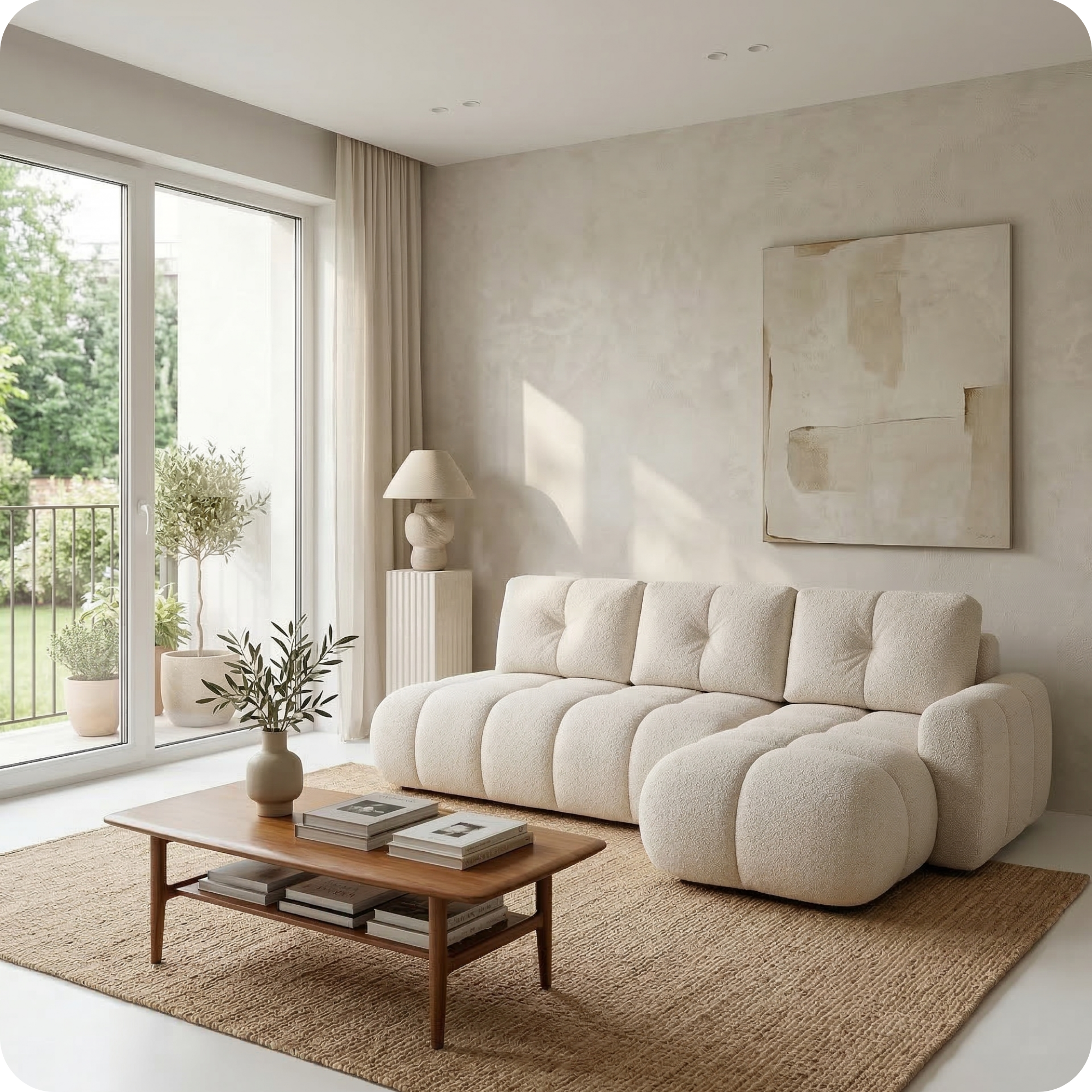
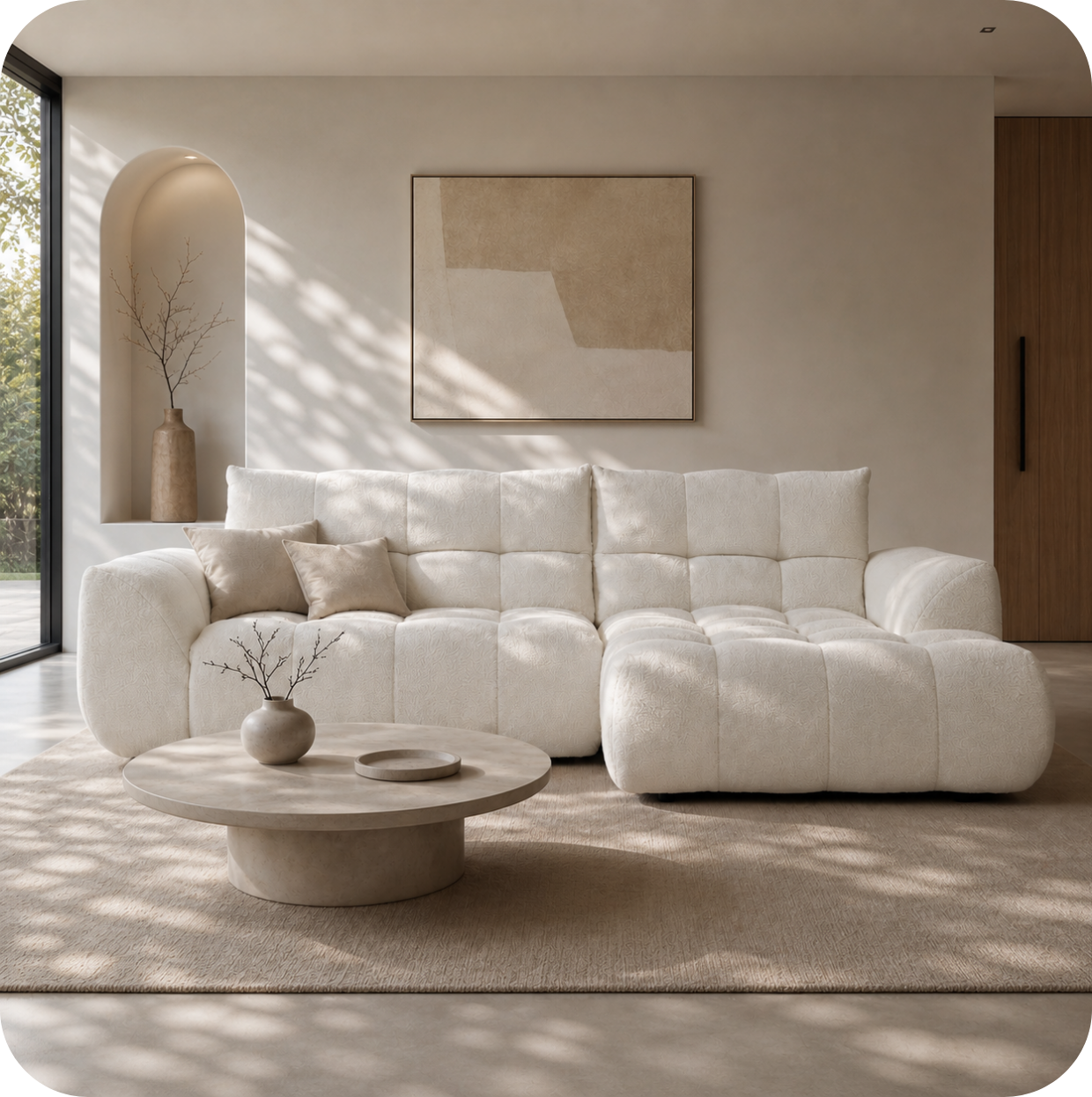
Bouclé -- the looped, curly-textured fabric associated with Chanel and 1960s modernism -- has dominated interior design for five years and shows no signs of fading. The texture is extraordinary: no other fabric adds tactile interest and visual depth in the same way. Durability is moderate. The loops that create the texture are also its vulnerability -- they can catch on sharp objects, pet claws, or jewellery. In terms of Martindale, quality bouclé sits around 25,000-35,000. With pets or small children, proceed with awareness. Without pets, bouclé is a remarkably satisfying choice.

Lugano Collection — from EUR 1,190
The Lugano is available in a carefully selected range of fabrics across the durability spectrum -- from textured weaves for design-led rooms to performance fabrics for family living. Ask about specific fabric options to find your ideal balance of aesthetics and durability.

Merlot 3-Seater Sofa — from EUR 1,290
The Merlot's fabric options span multiple weight and texture categories. The high-durability options in the range are designed specifically for households with high traffic use, while the premium textured weaves suit calmer, design-forward settings.
Cotton and Cotton Blends: The Reliable Middle Ground
Cotton is a natural fibre that is soft, breathable, and easy to clean. Pure cotton at a tight weave (canvas weight) can be surprisingly durable, but looser cotton weaves pill and wear relatively quickly. Cotton blends -- most commonly cotton with polyester -- are the workhorses of the sofa fabric world. They combine the softness and natural feel of cotton with the durability and stain resistance of polyester. Martindale counts for quality cotton-poly blends typically sit between 25,000-50,000. This is the fabric choice for families who want something that looks good, feels good, and forgives the inevitable.
Performance Fabrics: The Practical Choice
Performance fabrics -- often marketed as stain-resistant, water-repellent, or easy-clean -- are typically either treated natural fibres or engineered synthetic blends. The key properties: liquid beads on the surface rather than absorbing (giving you time to blot before staining); the fabric is woven or treated to resist abrasion; cleaning is often possible with just water and a cloth. Martindale counts can exceed 100,000. The trade-off: performance fabrics can feel slightly less natural and do not always have the visual depth of a premium woven textile. For households with young children or pets, performance fabrics are often the pragmatic choice.

Zostaw komentarz
Ta strona jest chroniona przez hCaptcha i obowiązują na niej Polityka prywatności i Warunki korzystania z usługi serwisu hCaptcha.