



What is a Modular Sofa? Modular Furniture Explained
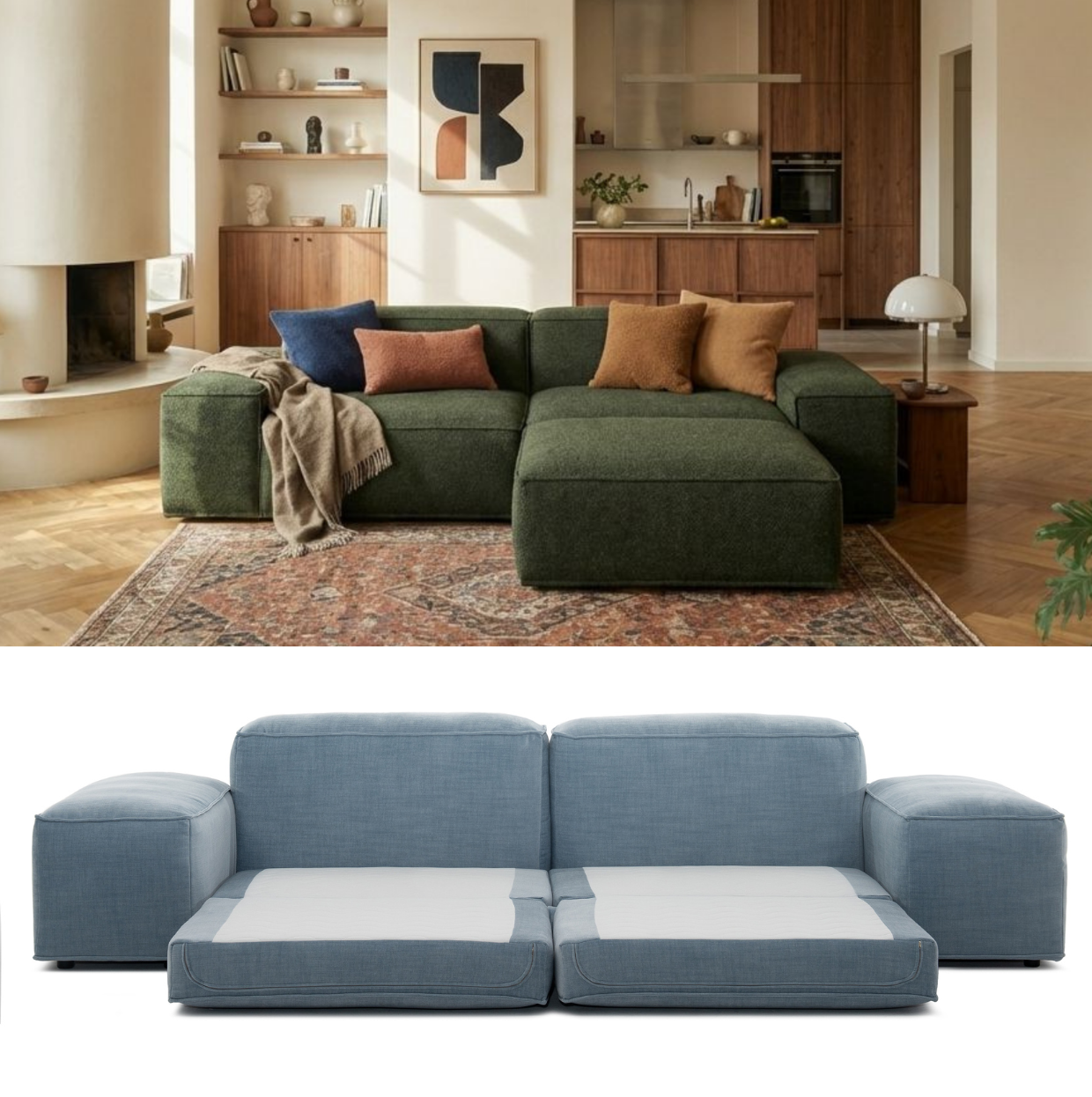
A modular sofa is a sofa made up of individual sections — called modules — that can be arranged, rearranged, added to, or separated to create different configurations. Unlike a traditional sofa, which is a single fixed unit, a modular sofa is a system: you buy the individual pieces you need and arrange them to suit your space, then reconfigure them if your needs change. The term 'modular furniture' refers more broadly to any furniture system built from interchangeable components, but in the context of sofas, it has a specific and practical meaning that makes it one of the most versatile furniture investments available.
How Does a Modular Sofa Work?
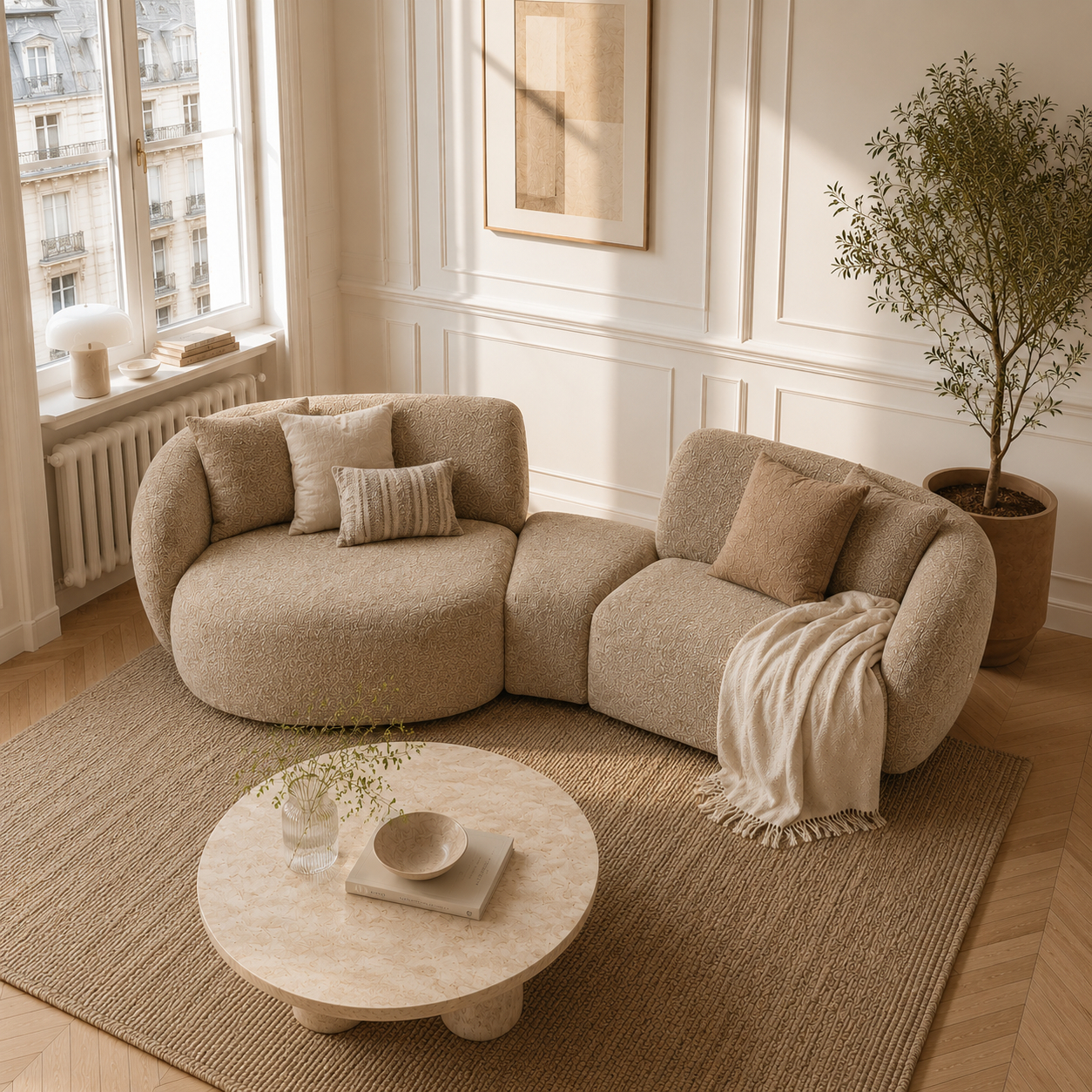
Each module in a modular sofa system is a self-contained unit with its own legs (or a base that connects to adjacent modules). The modules clip, connect, or simply sit flush together to form a unified sofa. The most common modules in a modular sofa system are: corner sections (which create the L-shape), straight sections (which add length), and chaise long or ottoman sections (which add a place to stretch out). A typical modular sofa configuration might combine one corner section, two straight sections, and a chaise long to create a large L-shaped sofa — but the same modules could be rearranged into a straight 4-seater, or separated and used in different rooms.

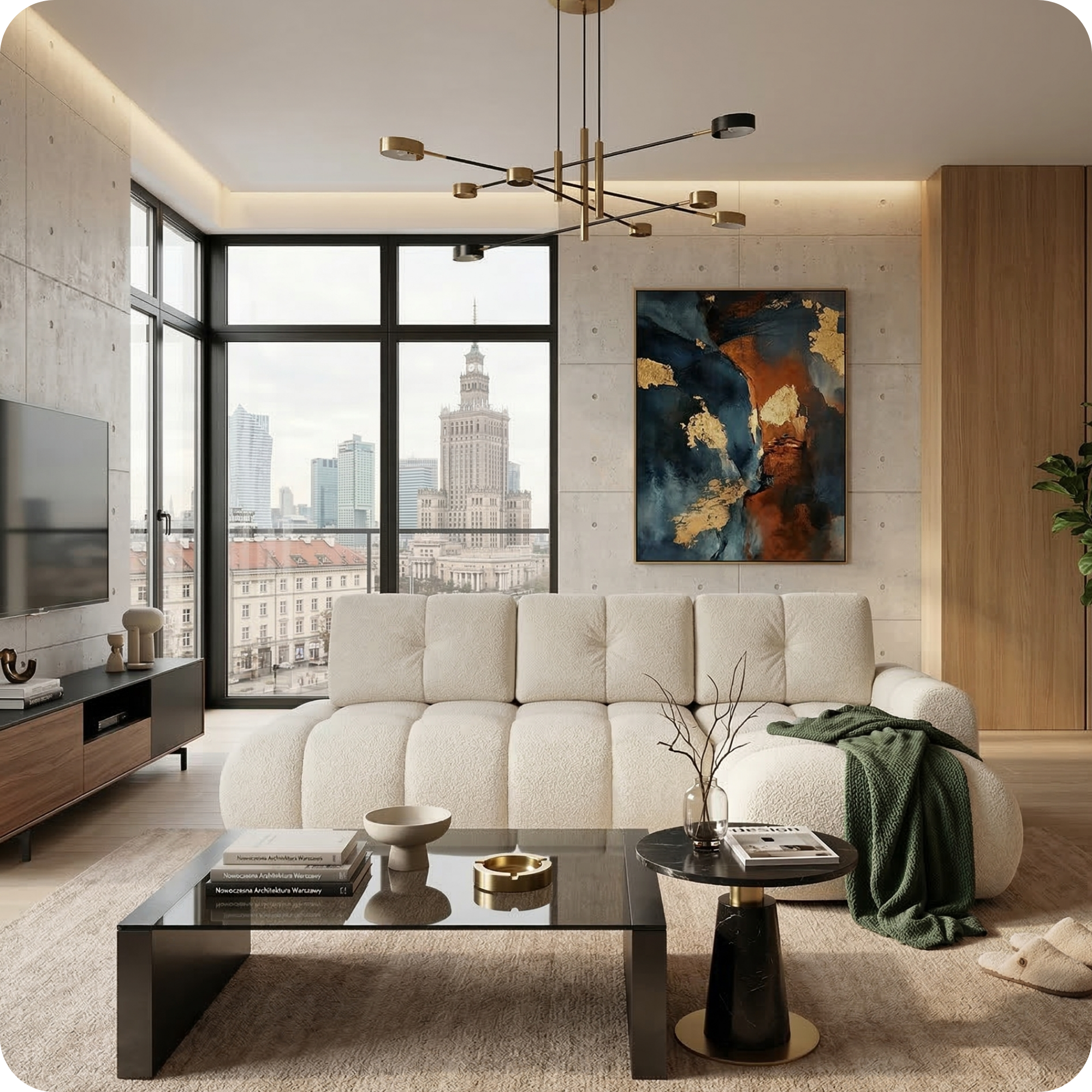
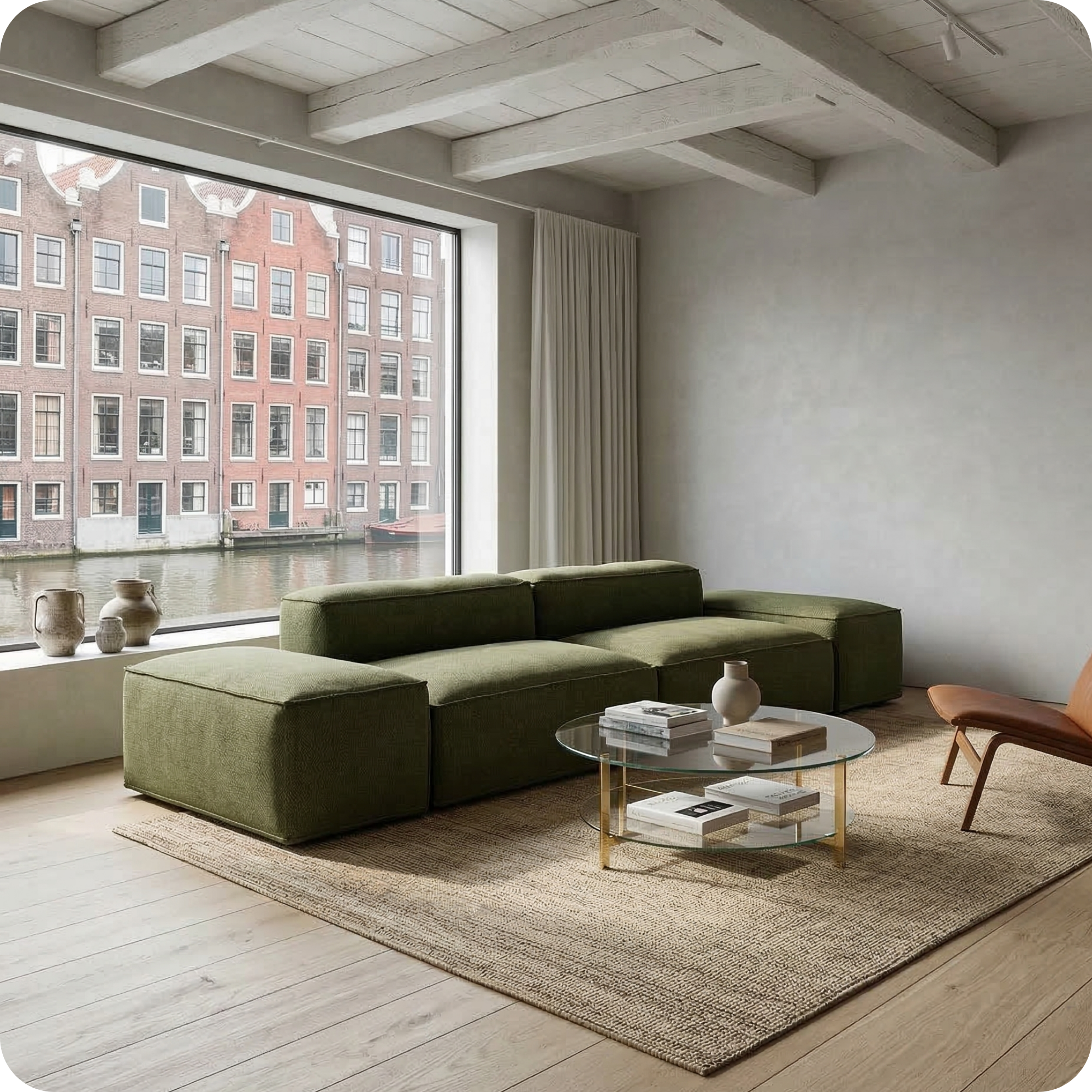
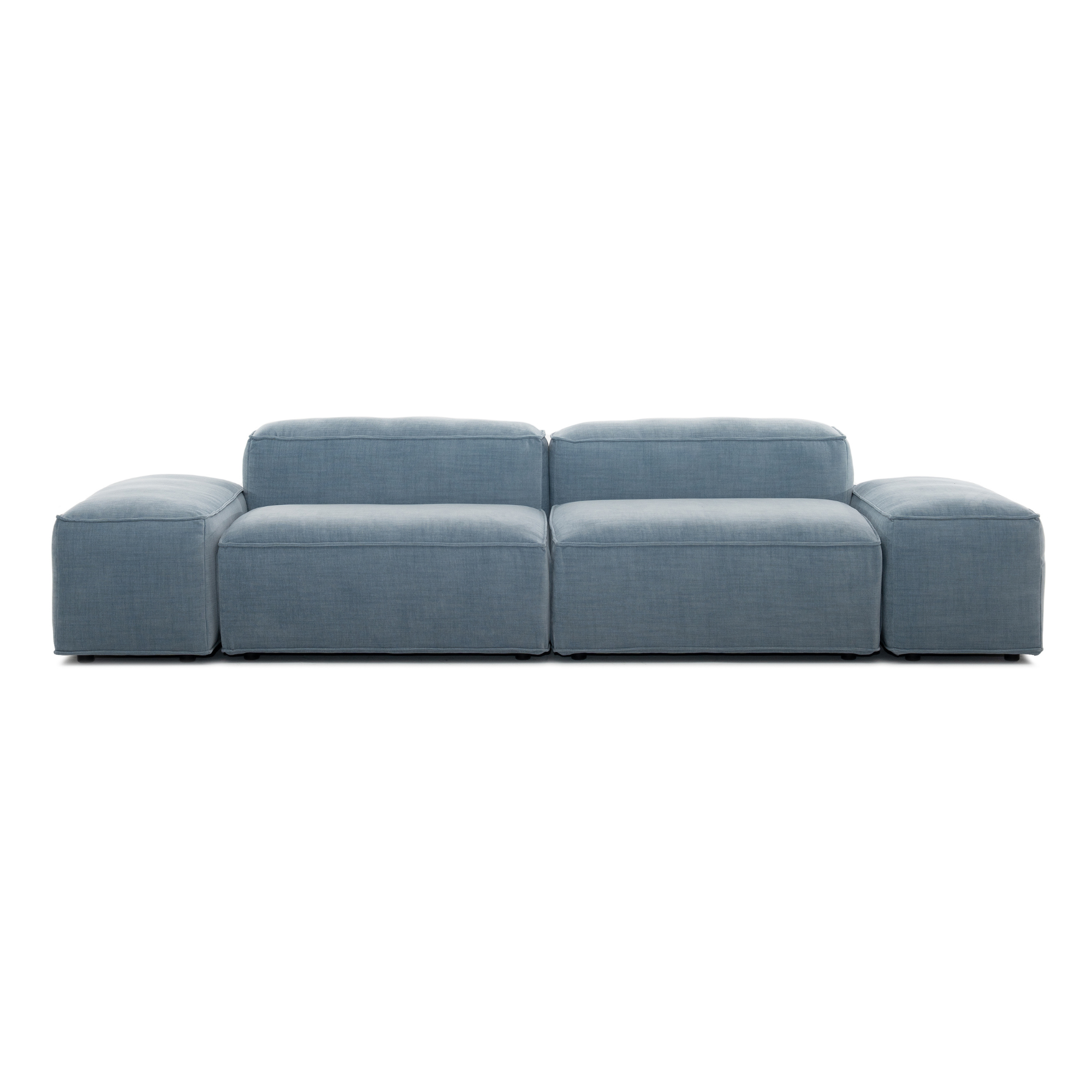
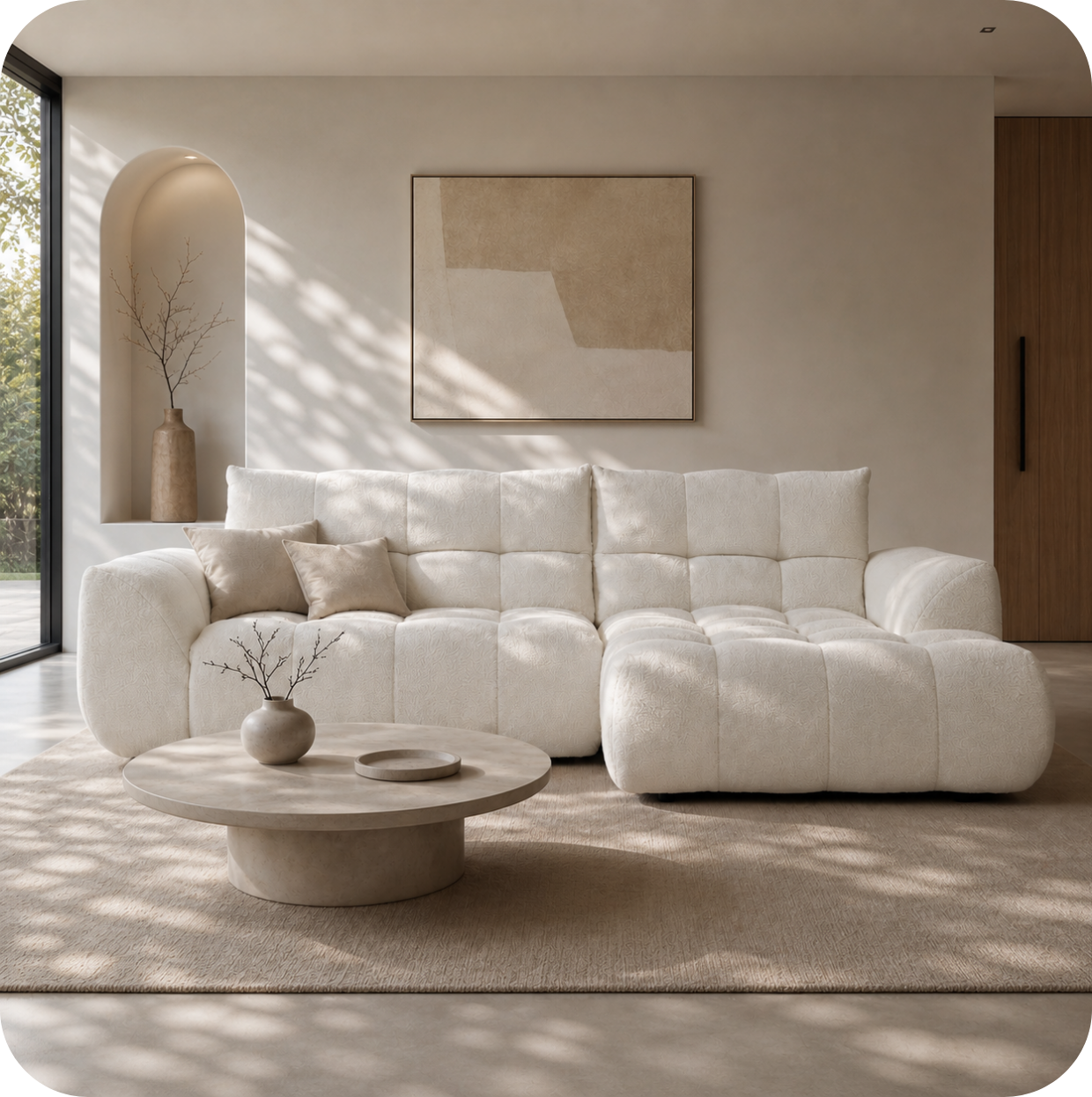
Merlot Modular Sofa — from €1,532
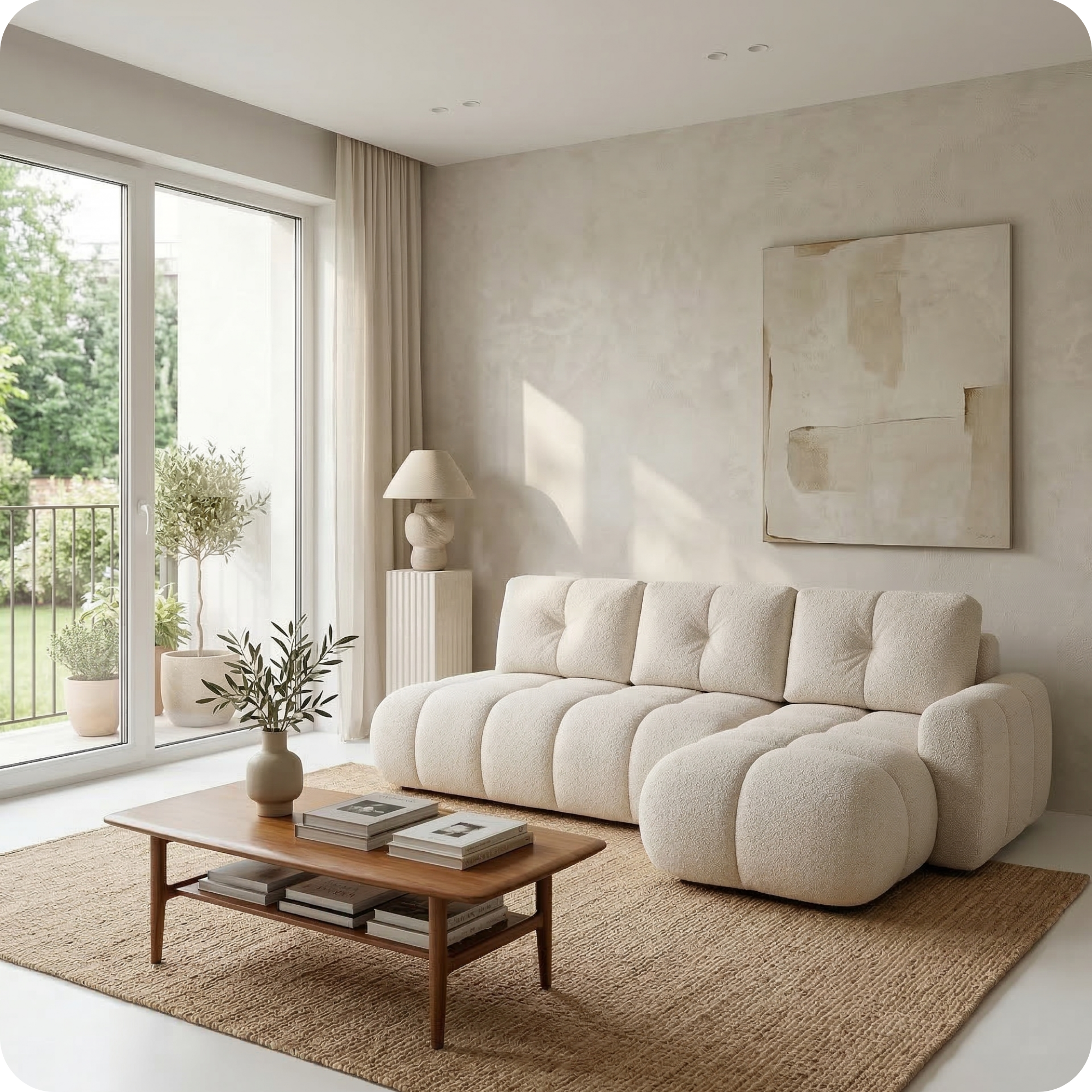
The Merlot is a modular sofa system that demonstrates exactly what modular furniture does best: it starts as a clean 3-seater with low armrests, and expands — with additional modules — into a full corner sofa, a large family sofa, or any configuration in between. The generous seat depth and high-quality bouclé upholstery mean it performs as beautifully as a fixed sofa while offering all the flexibility of a modular system.

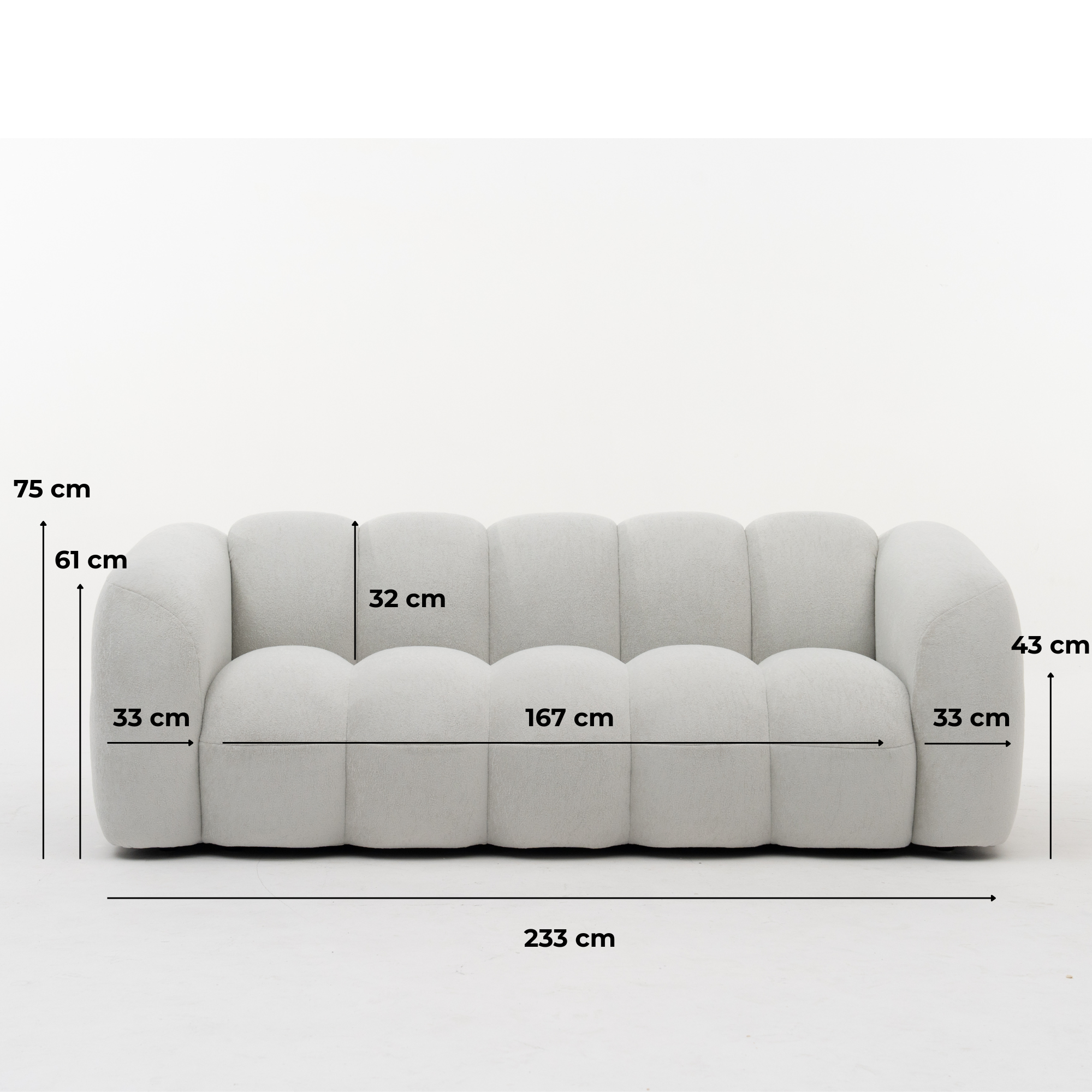
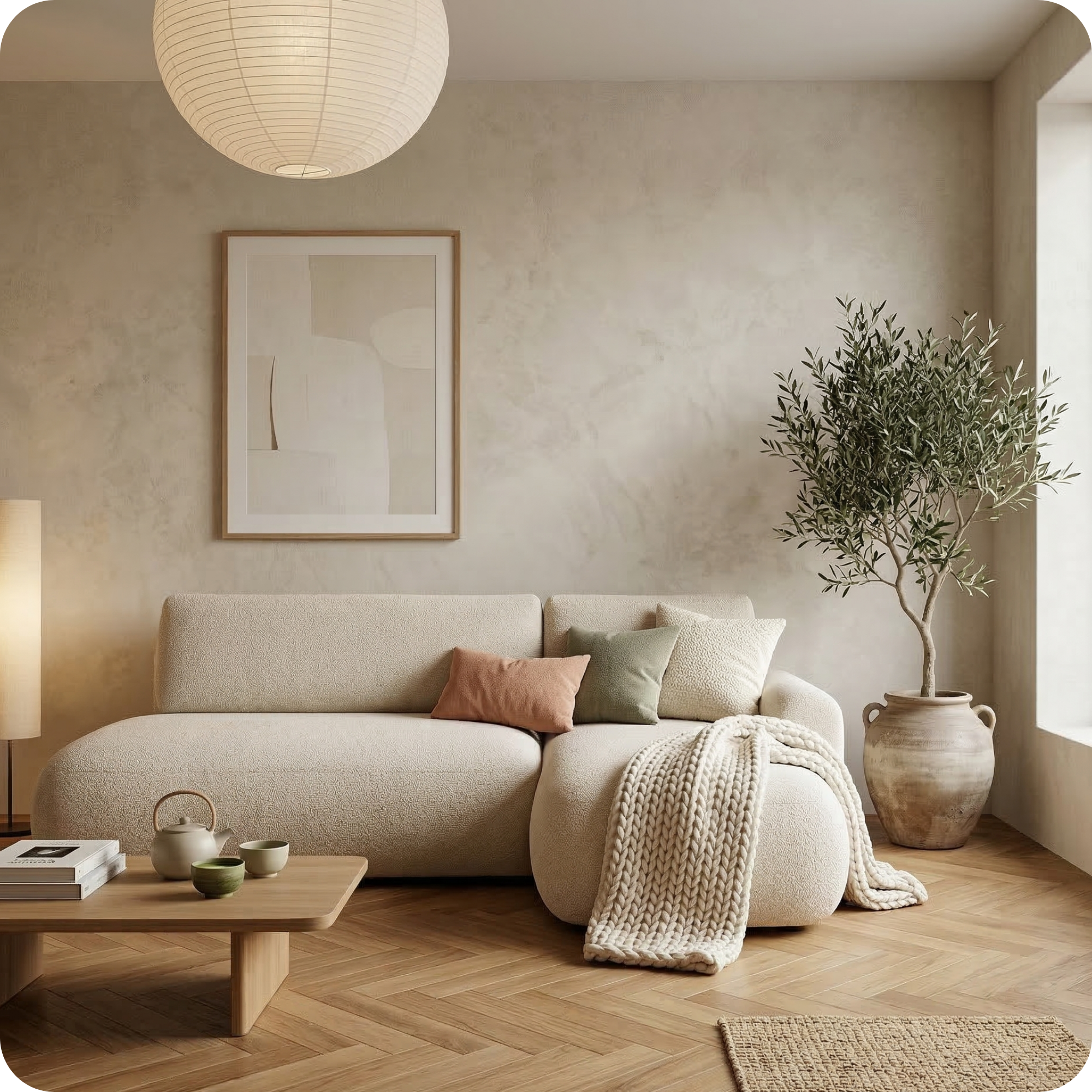
Malbec Modular Sofa with Longchair — from €2,375
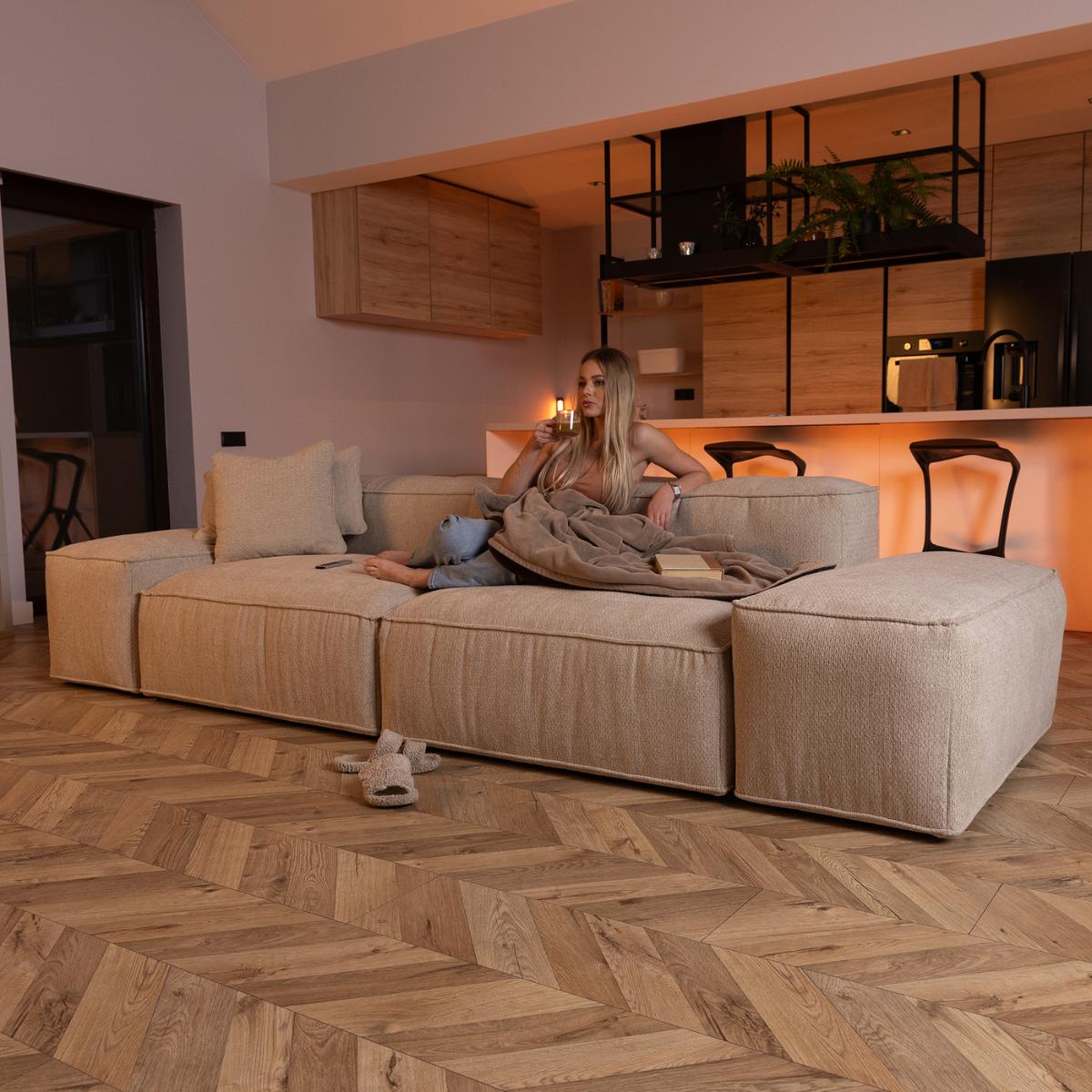
The Malbec is a modular sofa with a longchair that shows the configuration power of the modular approach: the longchair section can be positioned on either side, and the sofa can be extended with additional modules as your space or family grows. The high armrests give it a classic, structured look that does not compromise on the flexibility of modular design.
Modular Sofa vs Regular Sofa: What's the Difference?
The key difference between a modular sofa and a regular sofa is flexibility. A regular sofa is a single unit with fixed dimensions and a fixed configuration — you buy it, place it, and it stays that way. A modular sofa is a system: the configuration can change, modules can be added as your needs evolve, and in many cases the sofa can be rearranged to suit a new room if you move house. This makes a modular sofa a more future-proof investment, particularly for people who move frequently, have growing families, or want the ability to reconfigure their living room over time.
What is the Advantage of Modular Furniture?
The primary advantage of modular furniture is adaptability. A modular sofa can serve as a compact 2-seater in a smaller space, then gain modules as the space grows or a family expands. It can form a straight sofa for one room layout and an L-shaped corner sofa for another. Beyond adaptability, modular sofas often allow individual sections to be reupholstered or replaced independently — if one module is damaged, you replace that module rather than the entire sofa.
Is a Modular Sofa Good for Small Living Rooms?
Yes — modular sofas are particularly well-suited to small living rooms. The ability to configure the sofa to the exact dimensions of the room, rather than compromising on a standard size that does not quite fit, means that a modular sofa can maximise seating in a small space without overcrowding it. Many modular sofa systems offer compact configurations — a 2.5-seater straight sofa, for example — that would not exist in a conventional sofa range.

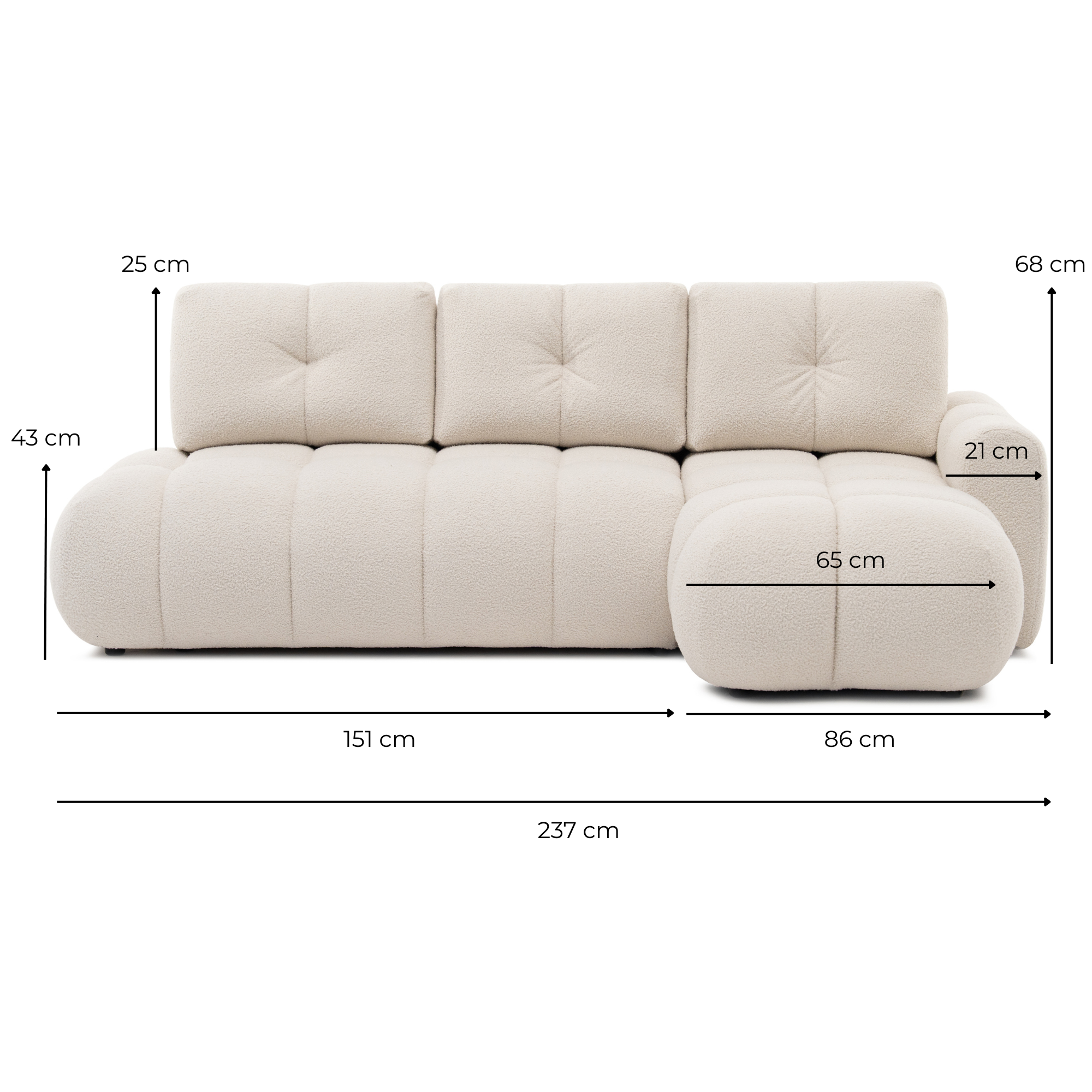
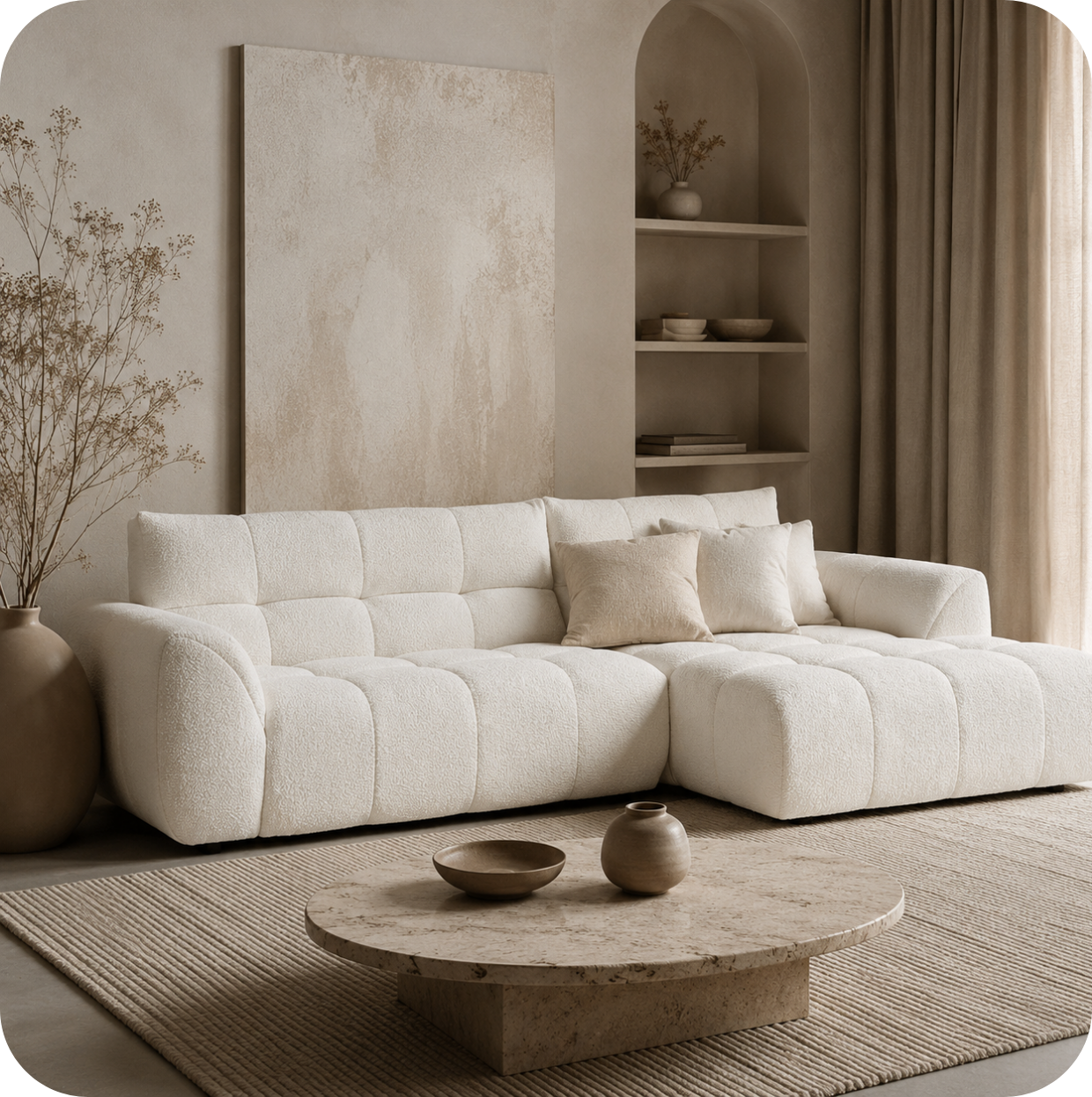
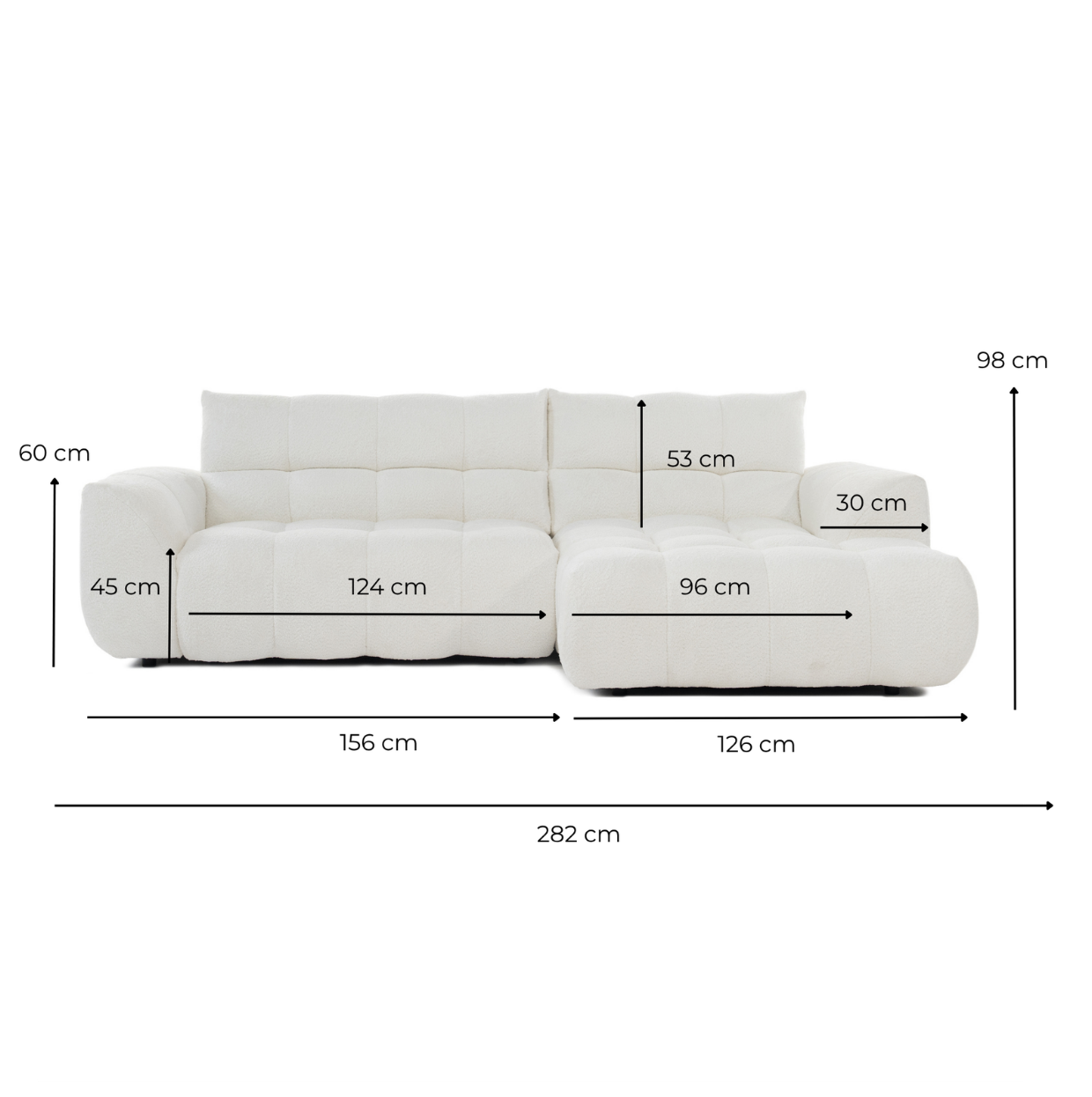
Merlot Modular Corner Sofa — from €1,913
The Merlot corner configuration shows how a modular system transitions from a straight sofa to a full corner sofa: the same seat modules, combined with a corner connector section, create an entirely different piece of furniture that defines and anchors a living room with far greater presence than a straight sofa can achieve.
How to Choose a Modular Sofa
When choosing a modular sofa, the first consideration is the configuration you need now — and the configurations you might need in the future. Measure your room carefully and plan both your immediate configuration and any likely expansion. The second consideration is the module connection system: modules that connect firmly and align precisely will look and feel like a single unified sofa; modules that sit loosely together will feel fragmented over time. Third, consider the fabric: because a modular sofa is a long-term investment (one you plan to add to and adapt), choose a fabric that will remain available in the same colour for future modules, or one where the modules will age uniformly together.