


Industrial Interior Design: How to Create an Industrial Living Room
Industrial interior design draws its visual vocabulary from factories, warehouses, and workshops — exposed structural elements, raw materials, utilitarian forms, and a palette dominated by grey, black, rust, and warm wood. It is a style that celebrates honesty of material and structure, rejecting decorative concealment in favour of exposing the bones of a space. Industrial design has moved from niche loft aesthetic to mainstream living room style, and its core principles translate well to both large converted spaces and smaller contemporary apartments.
The Core Elements of Industrial Design
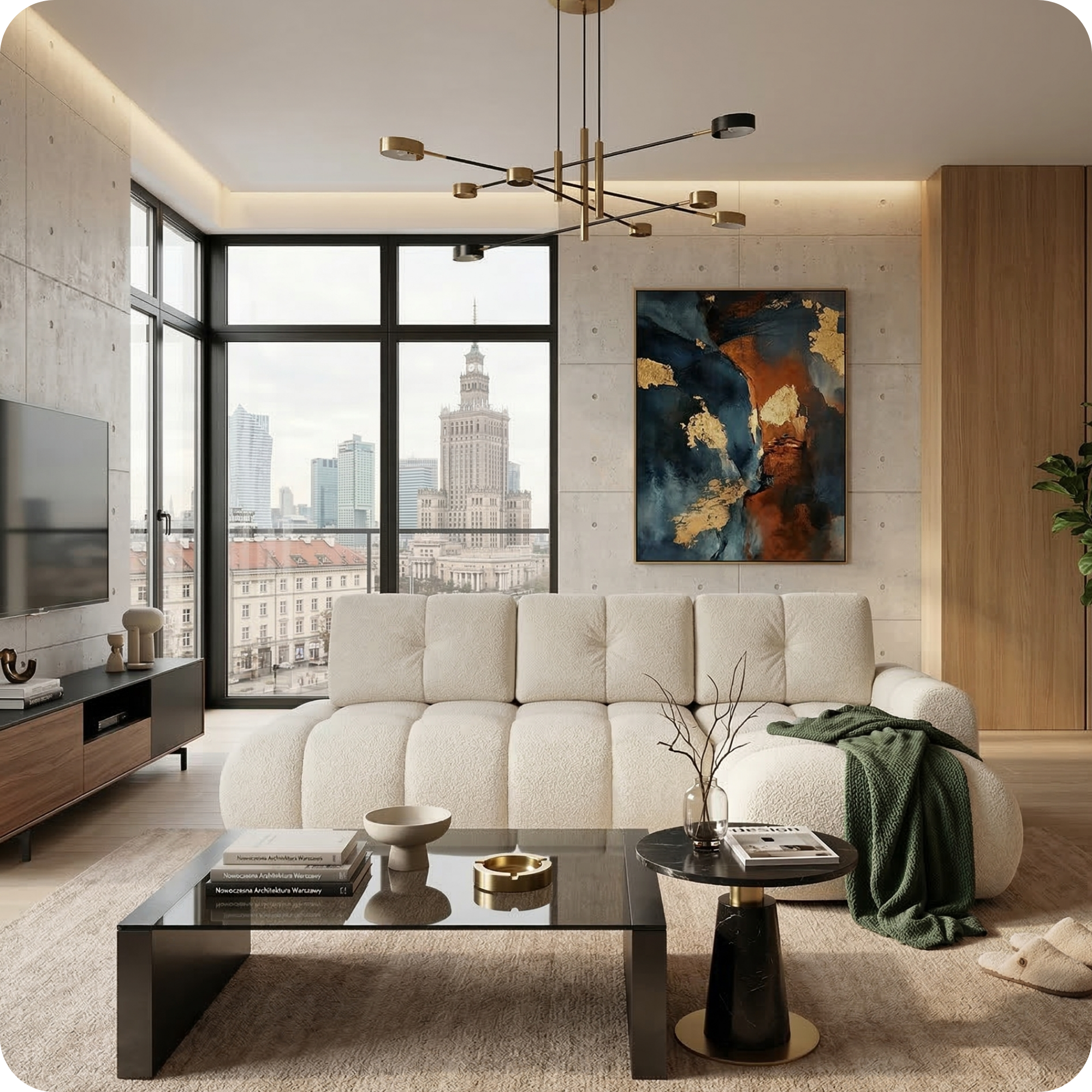
Industrial design is built from a recognisable set of elements: exposed brick or raw concrete walls; metal structural features (beams, pipes, ducting) left visible rather than concealed; polished concrete or reclaimed wood flooring; large factory-style windows with steel frames; furniture that references industrial production — steel-framed, leather-upholstered, or robust wood with visible construction. The aesthetic is raw but not cold, utilitarian but not uncomfortable. The warmth in an industrial interior comes from the contrast between raw, industrial materials and the soft, domestic elements layered over them: a deep sofa, leather cushions, warm rugs, Edison bulbs.

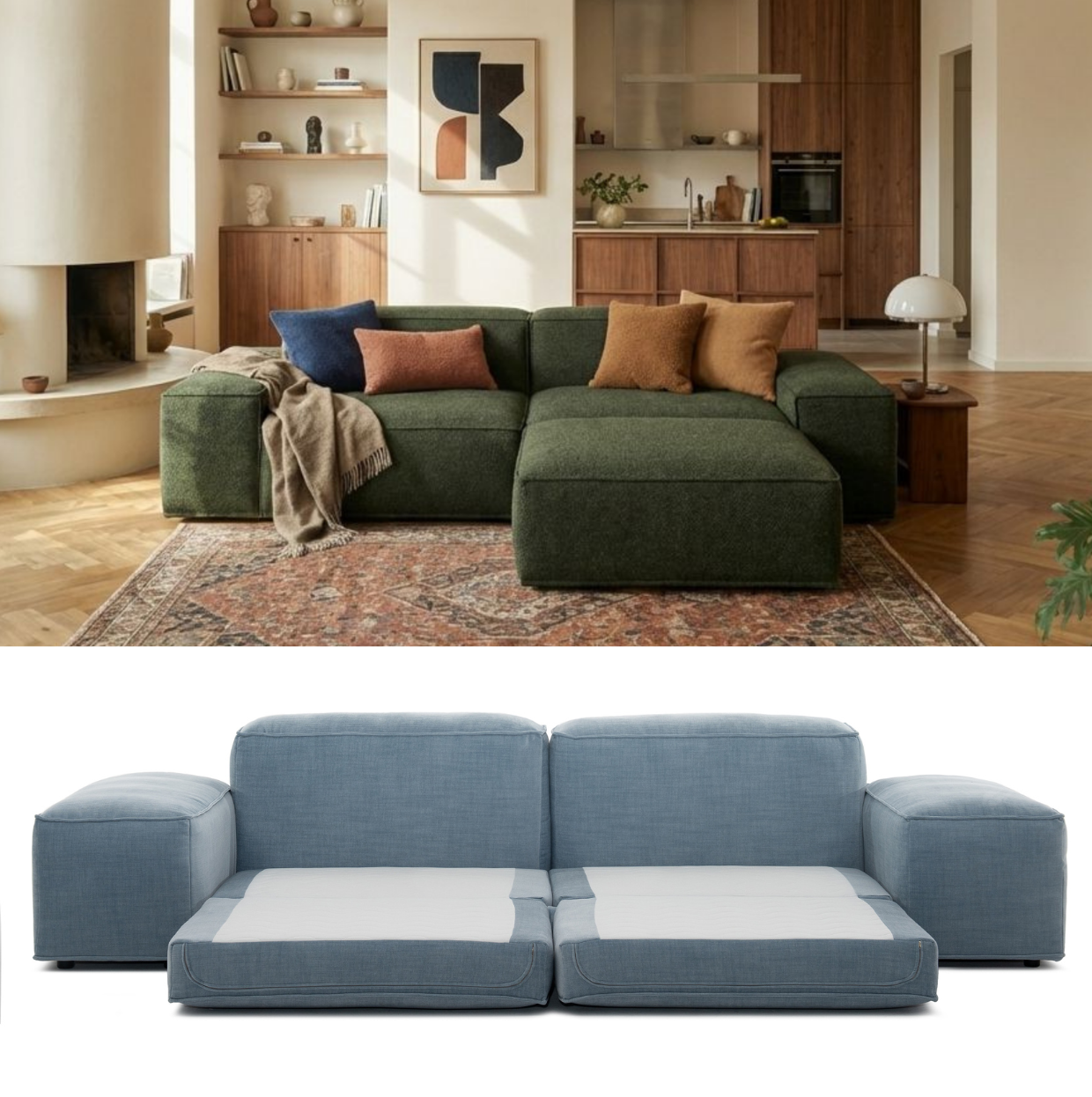
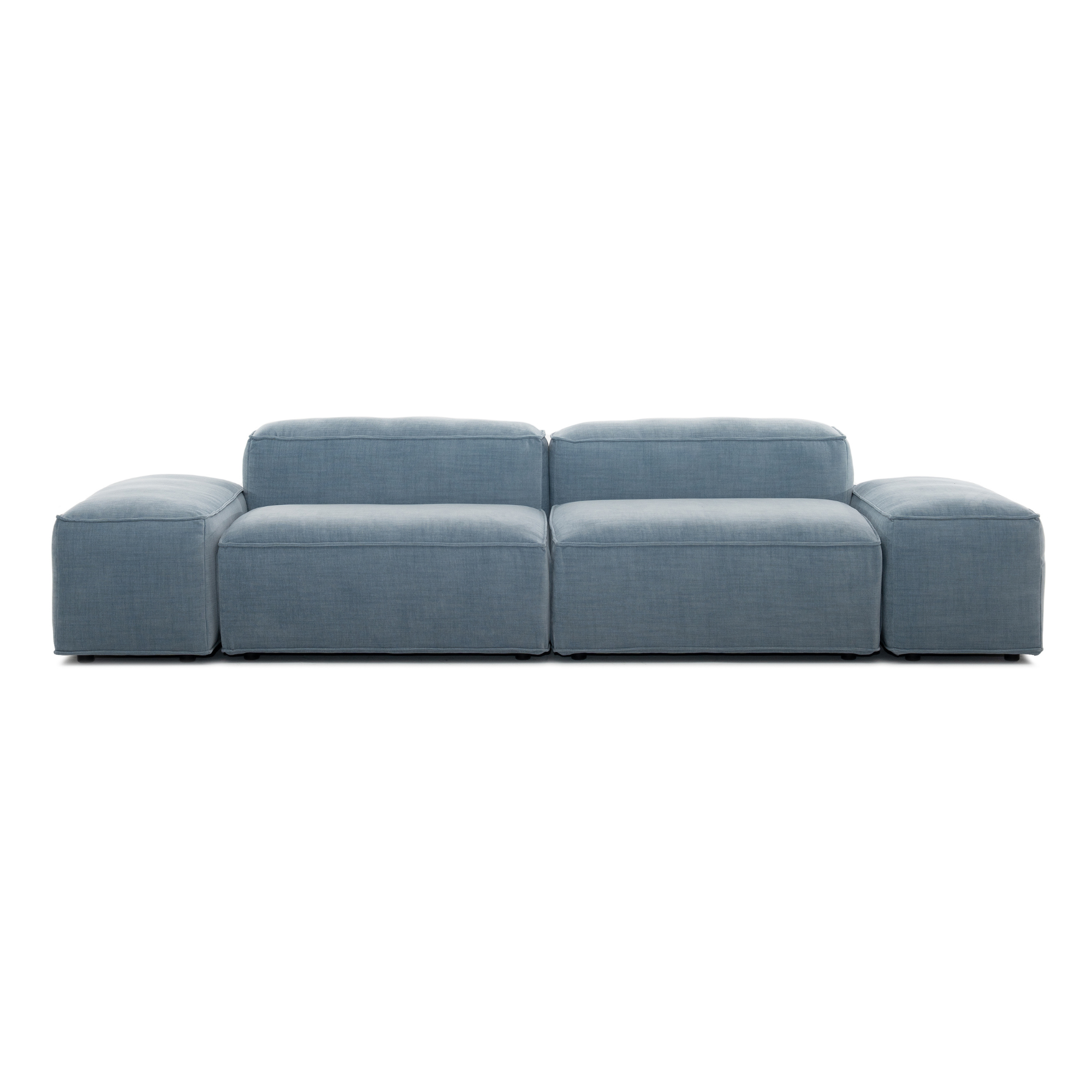
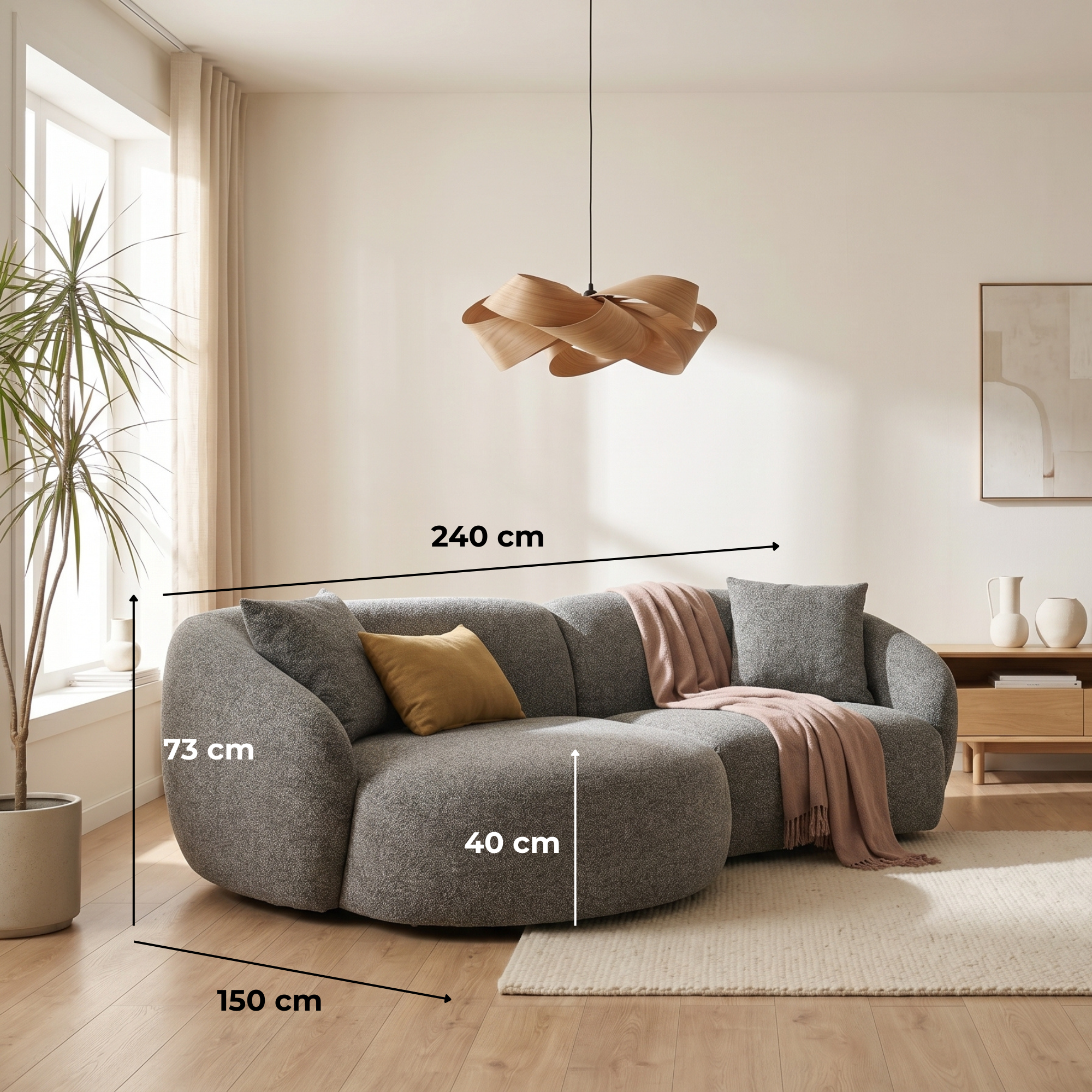
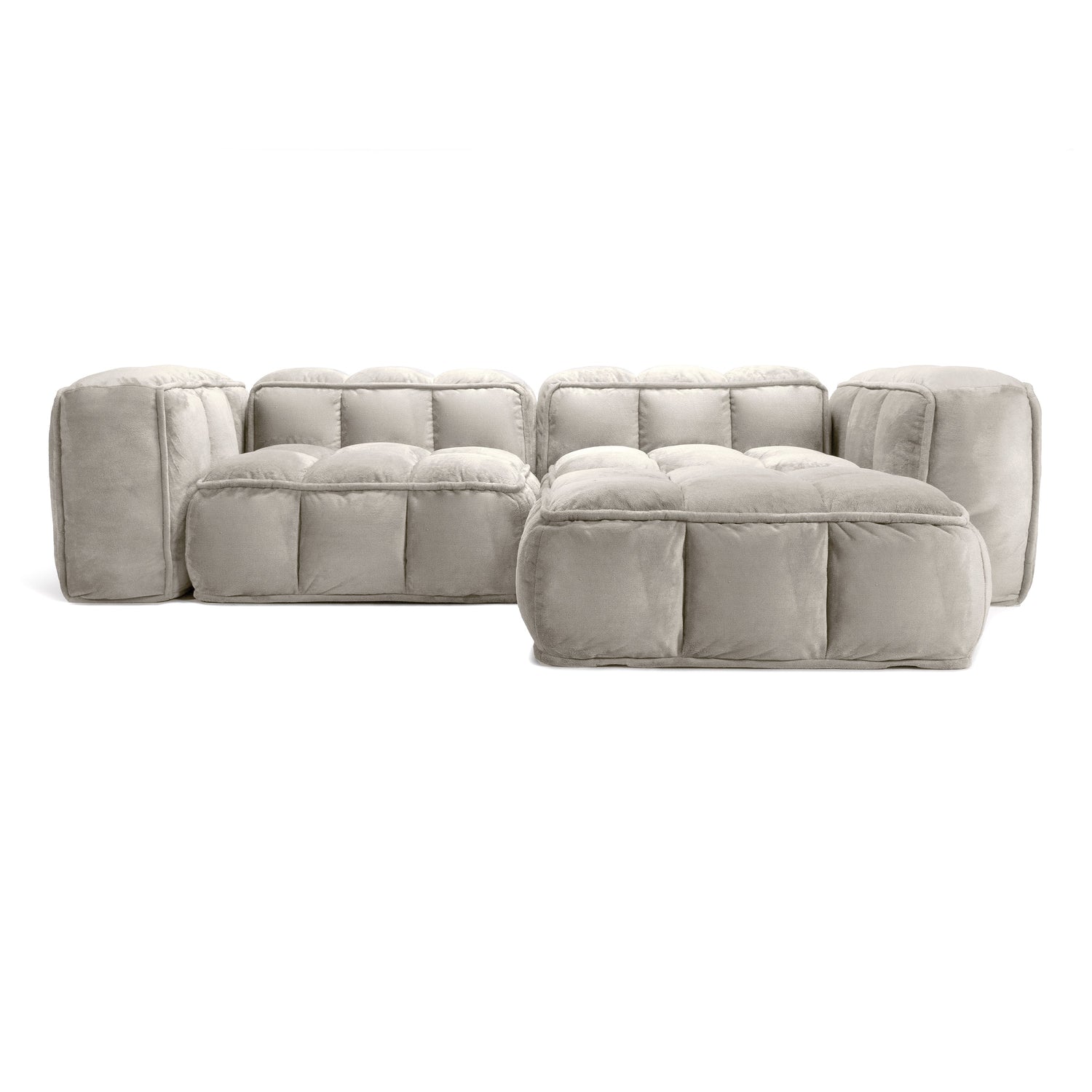
Malbec Modular Sofa — from €2,375
The Malbec is a natural fit for an industrial living room. Its deep, structured form, high armrests, and robust proportions reference the substantial, utilitarian quality of industrial furniture without looking deliberately themed. In dark grey or charcoal, it reads as a serious, confident piece that belongs in a space with exposed brick, concrete floors, and steel-framed windows. Pair with leather accent cushions, a dark wood coffee table, and a pendant light in industrial black metal.

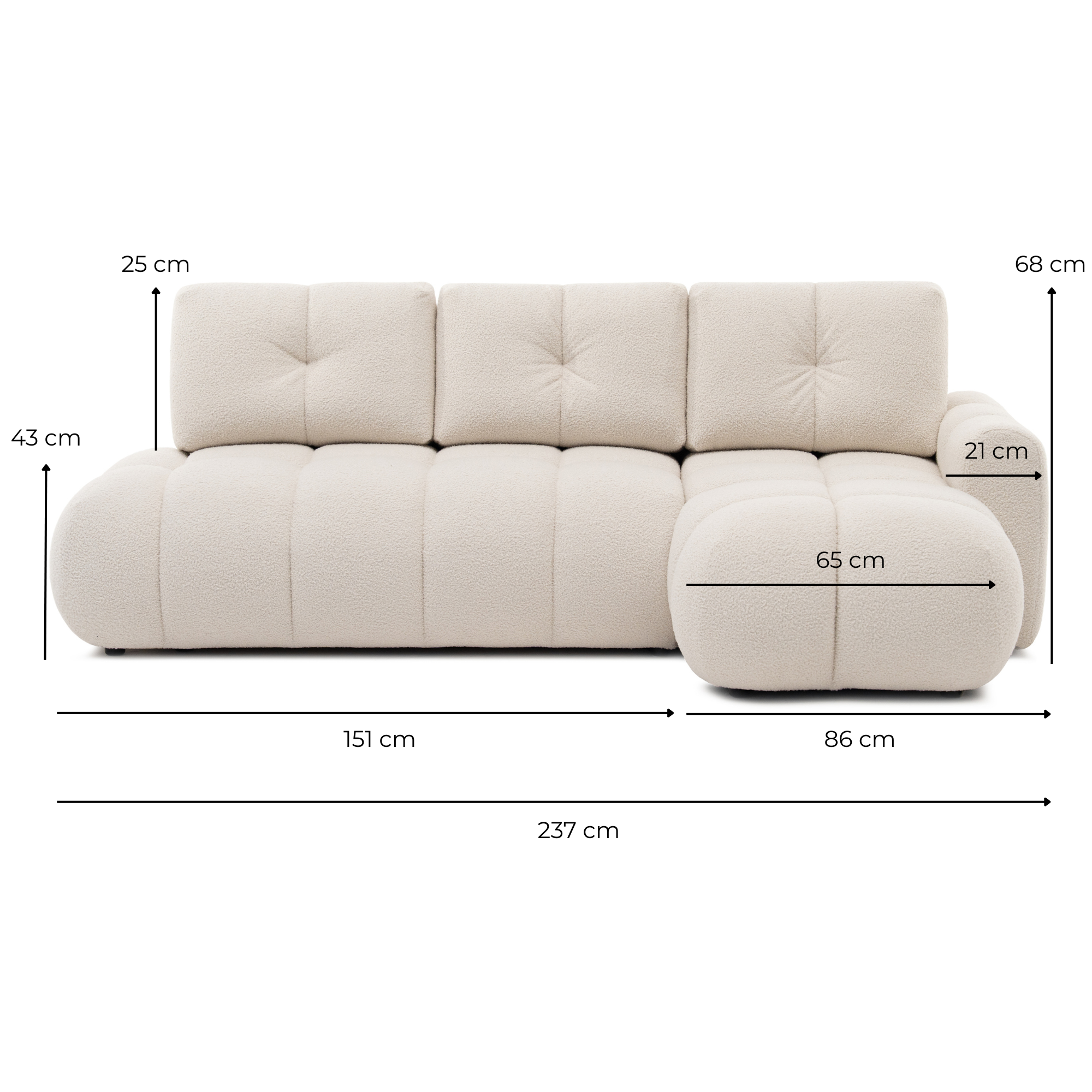
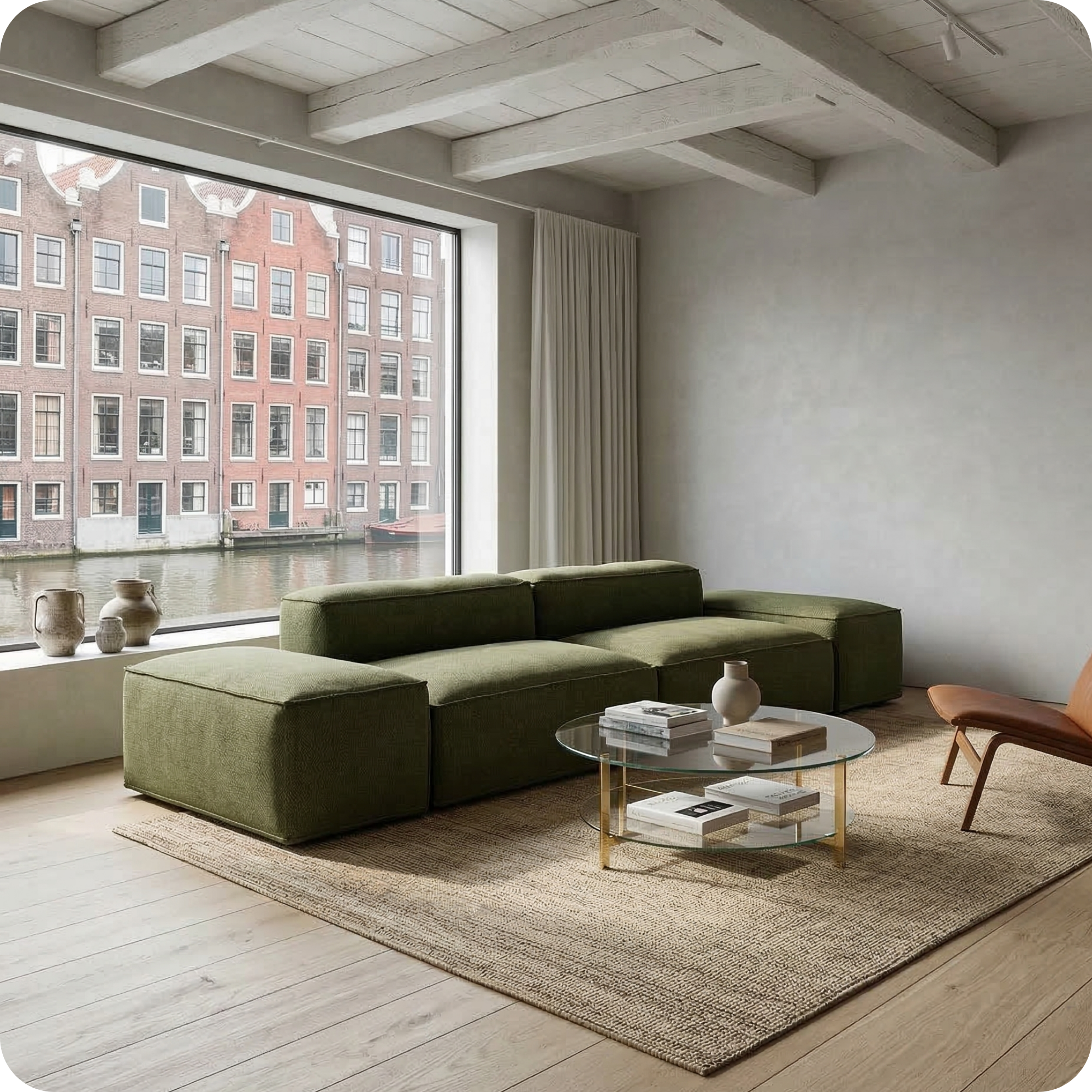
Lugano Sofa in Khaki — from €1,299
For a softer interpretation of industrial style — one that leans toward the contemporary rather than the raw — the Lugano in khaki sits comfortably in an industrial setting. The earthy, green-grey undertone of khaki works well alongside warm metal finishes (brass, copper, bronze), reclaimed wood, and the warm concrete palette of a modern industrial interior. This combination delivers the industrial aesthetic with more warmth and livability than a purely dark, grey-heavy approach.
The Industrial Colour Palette
The industrial palette is built primarily from neutrals: dark grey, charcoal, black, warm mid-grey, and the rust-orange of aged steel. Raw concrete — a blue-grey medium tone — is a key reference point. Against this background, warmth is introduced through wood (reclaimed oak, walnut, dark pine), leather (tan, cognac, dark brown), and warm metal finishes (brass, bronze, copper). Deep, moody accent colours — deep teal, forest green, burgundy — work well in industrial spaces because the dark base palette can absorb and support them. Bright colours are generally avoided — industrial design is serious and grounded, not cheerful.
Industrial Furniture Principles
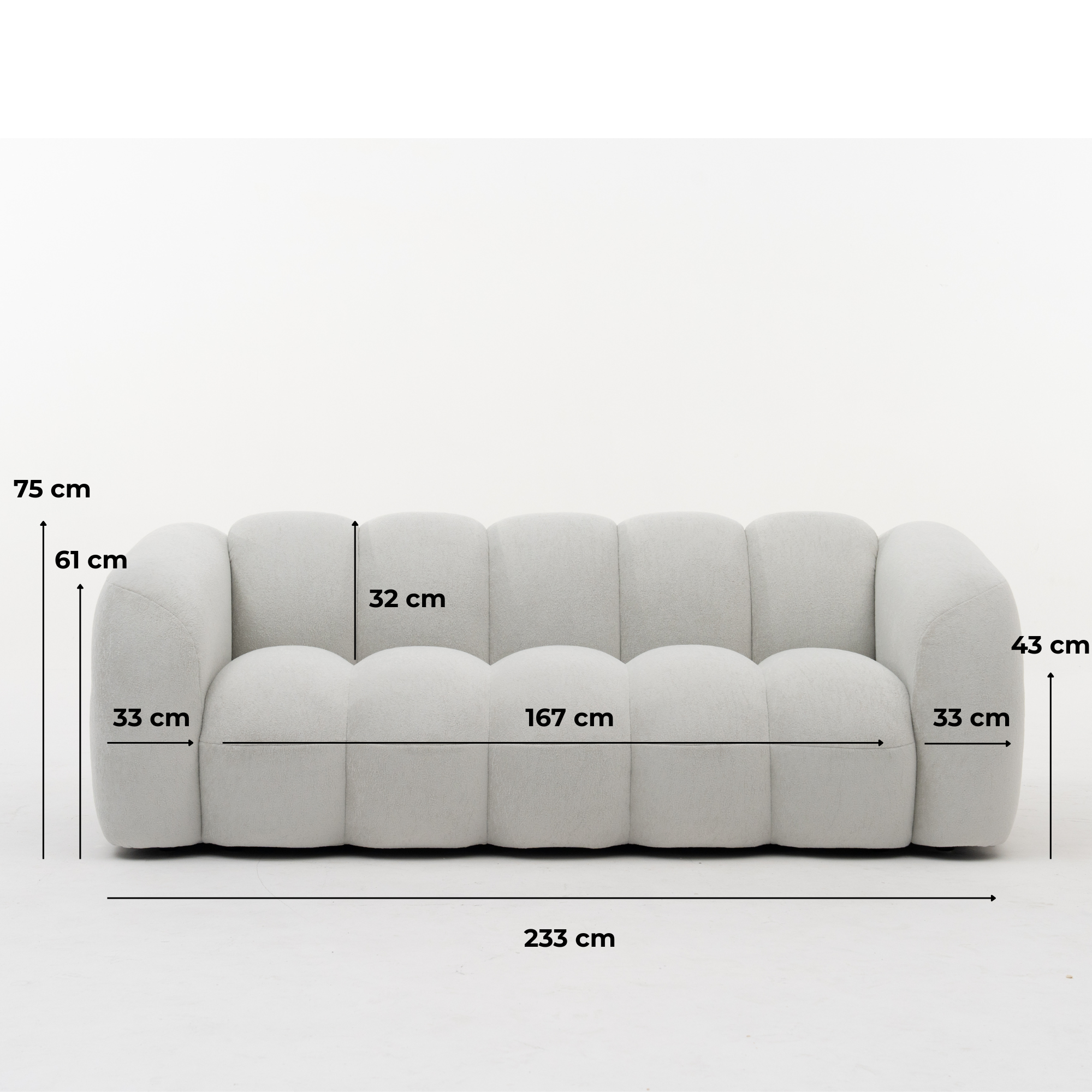
Industrial furniture prioritises honest construction and material integrity over decorative finish. Metal-framed furniture (shelving, coffee tables, side tables) with visible welds and hardware is a hallmark. Leather upholstery — particularly distressed or aged leather — is the most industrial of sofa materials. Dark stained wood with visible grain and grain variation is preferred over polished or veneered alternatives. Sofas in dark grey, charcoal, or warm tan/caramel are the most versatile sofa colours in an industrial living room. Oversized, low-profile sofas with substantial armrests feel particularly authentic to the industrial aesthetic.
Lighting in Industrial Interiors
Lighting is one of the most powerful ways to establish an industrial character. Edison bulbs — vintage-style filament bulbs with visible coils — in metal cage or glass globe pendants are the defining industrial light fitting. Black metal pendant clusters over the seating area, wall-mounted metal arm sconces, and floor lamps with exposed metal tubes and simple metal shades are all authentically industrial. The light quality should be warm (2700K or lower) to soften the rawness of the industrial materials.