


Living Room Rug Guide: How to Choose the Right Size and Style
The living room rug is one of the most impactful decorating decisions in any home — and one of the most commonly gotten wrong. Too small a rug is the single most prevalent interior design mistake: it makes a room feel unfinished, disconnects the furniture from the space, and reduces the sofa and chairs to floating islands in a sea of floor. Done right, a well-sized rug anchors the furniture, defines the seating zone, adds warmth and texture, and makes the entire room cohere.
Rug Sizing: The Most Important Decision
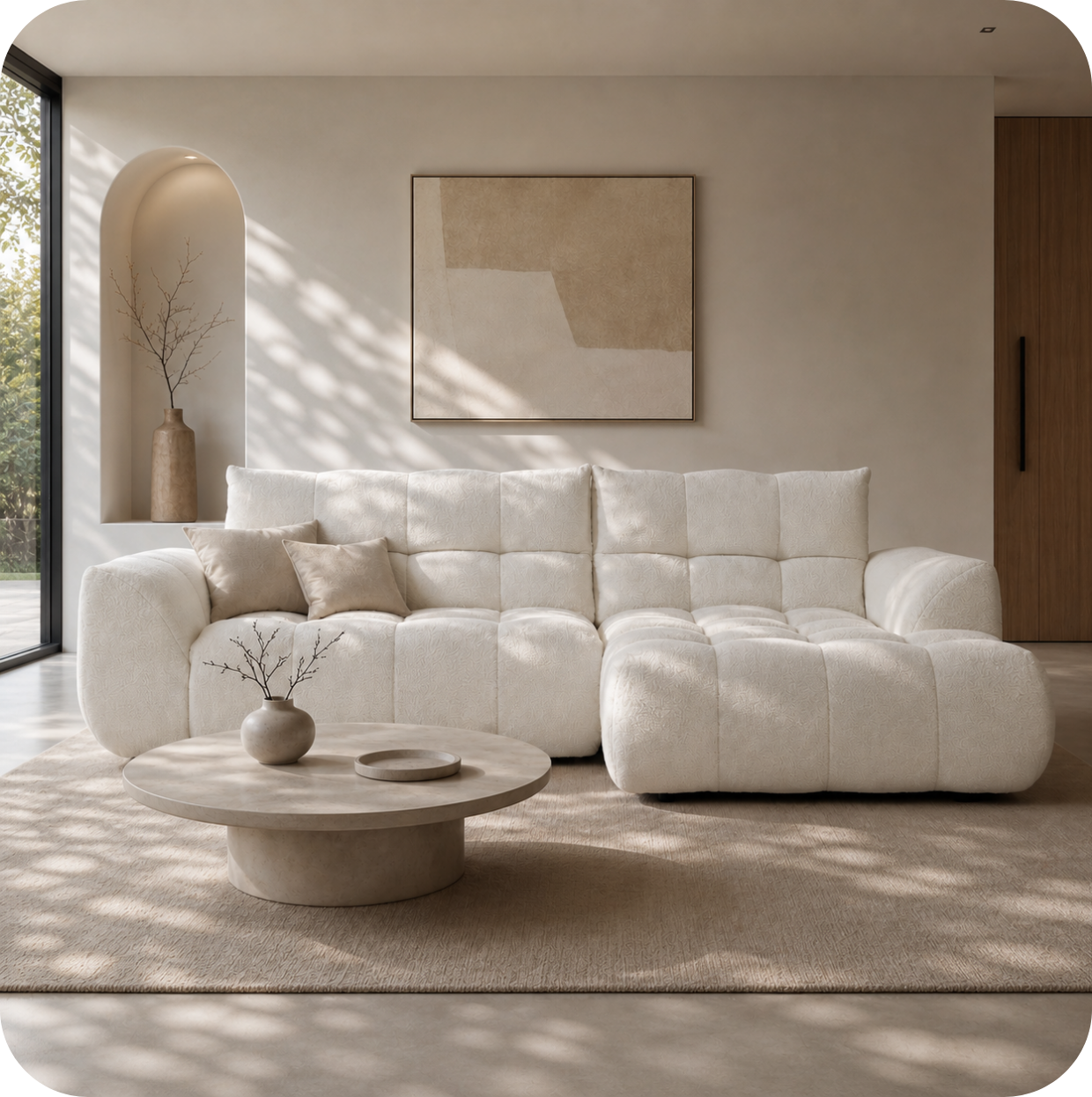
The most reliable rule for a living room is that the rug should be large enough for at least the front legs of all main seating pieces to sit on it. In an ideal scheme, all four legs of all pieces are on the rug. For a standard living room with a 3-seater sofa plus two armchairs, a minimum rug size of 200x300cm is usually required; 240x340cm or 270x360cm is better. Before buying, mark out the rug dimensions on the floor with masking tape — this simple step prevents the most expensive rug mistake.

Lugano Collection
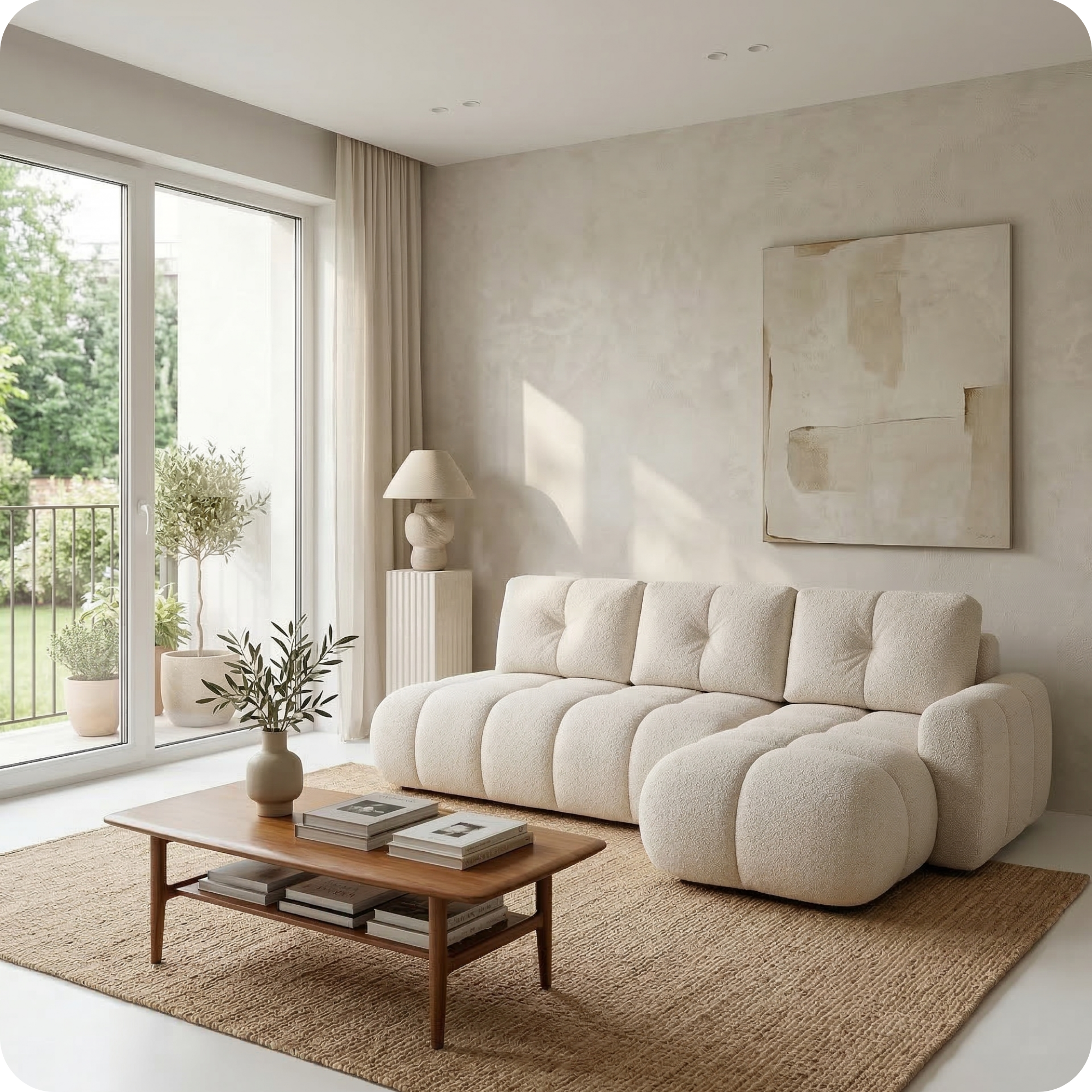
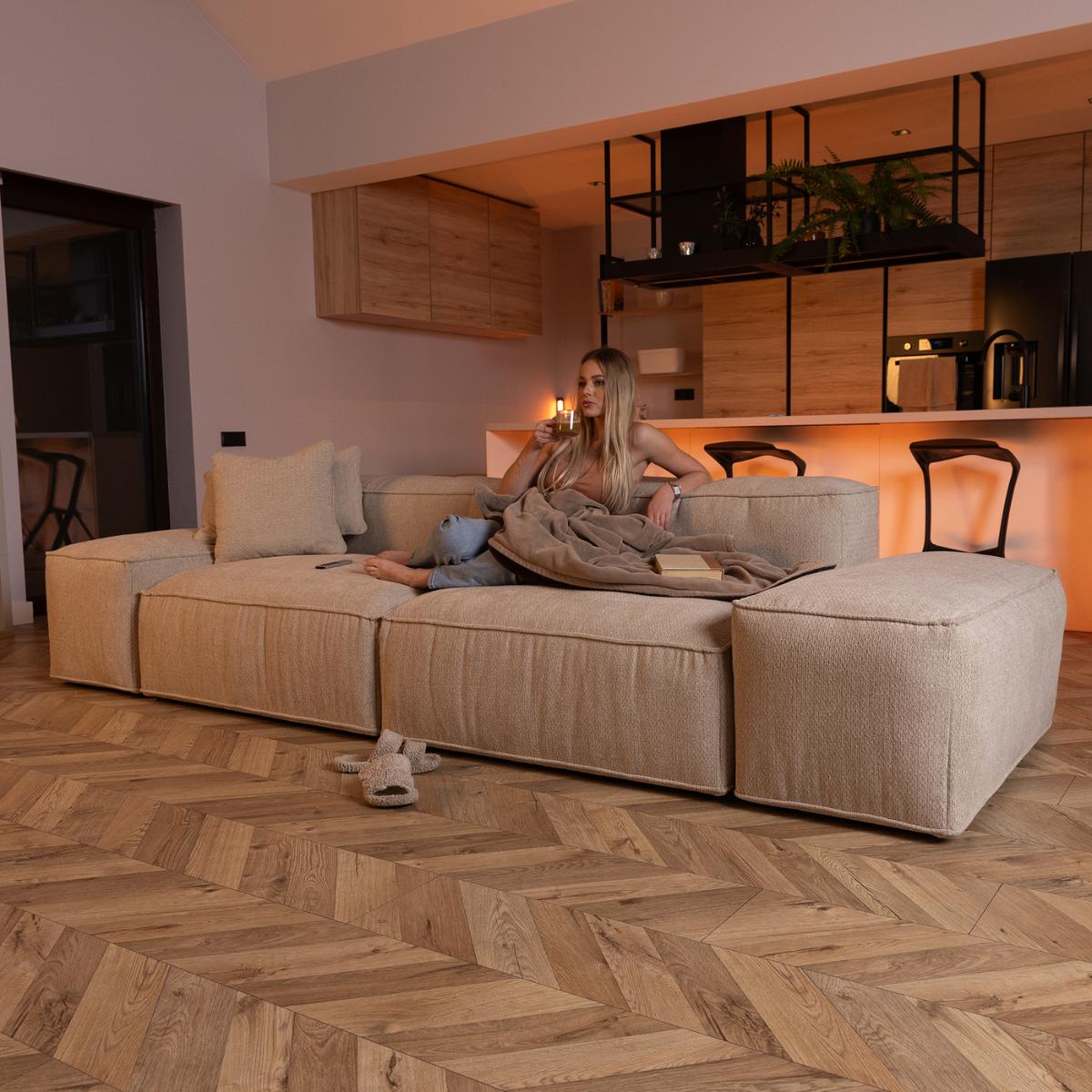
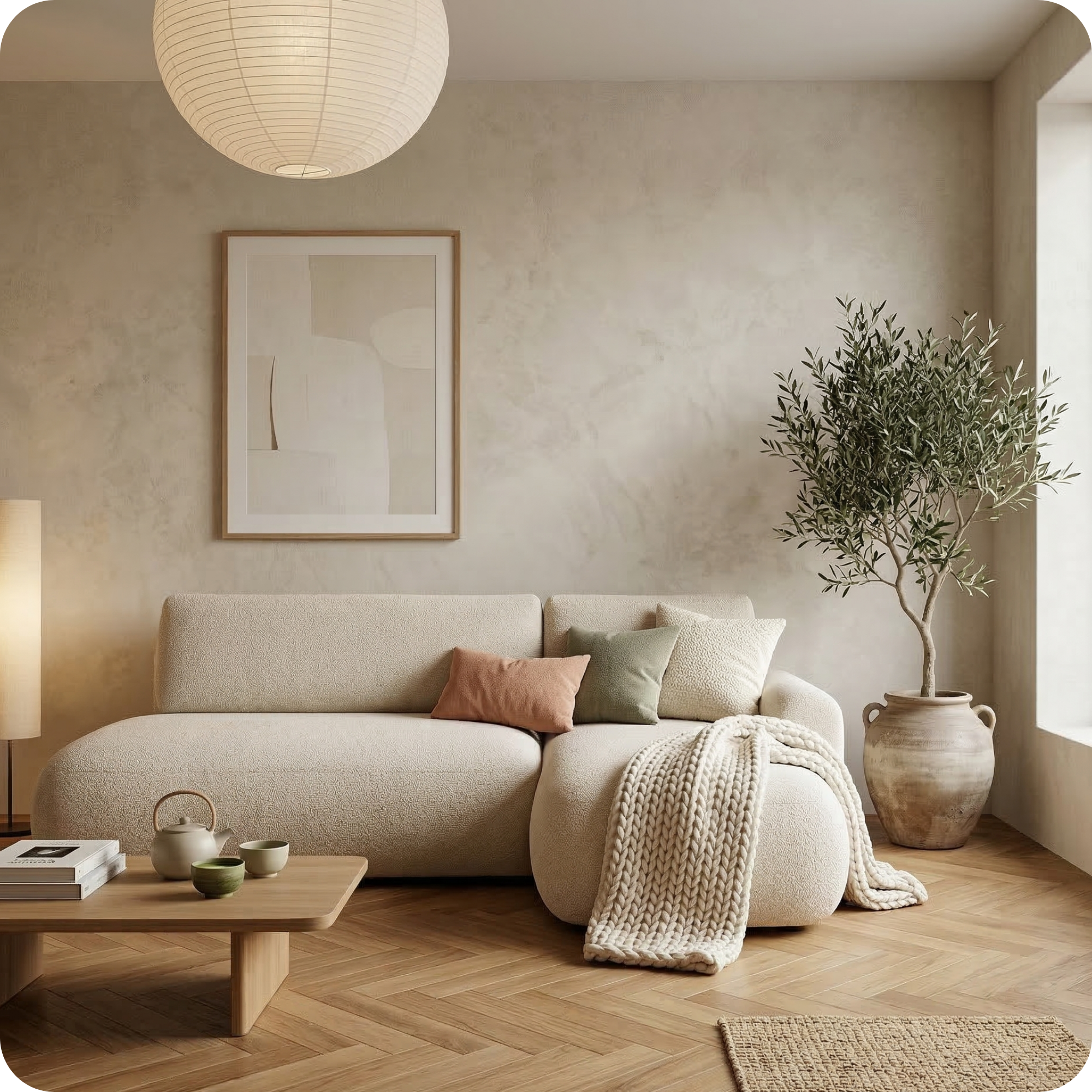
The Lugano sofa's clean, low-profile design makes rug selection particularly straightforward: the sofa's neutral colourway works with virtually any rug in natural tones or warm neutrals. For a contemporary Lugano setup with a light grey sofa, a large jute or natural fibre rug works beautifully for a textural, warm-neutral look. A pale ivory wool rug adds understated luxury. A flat-weave rug with subtle geometric pattern in warm cream and soft grey adds visual interest without pattern domination.

Merlot Corner Sofa
A corner sofa like the Merlot requires a large rug — the L-shaped footprint demands a rug that extends under the entire arrangement. For a green sofa, warm neutral tones complement rather than compete: natural jute, oatmeal wool, or cream flat-weave all work beautifully. A terracotta or rust-toned rug creates a warm, earthy complement to the leaf green.
Rug Materials: A Practical Overview
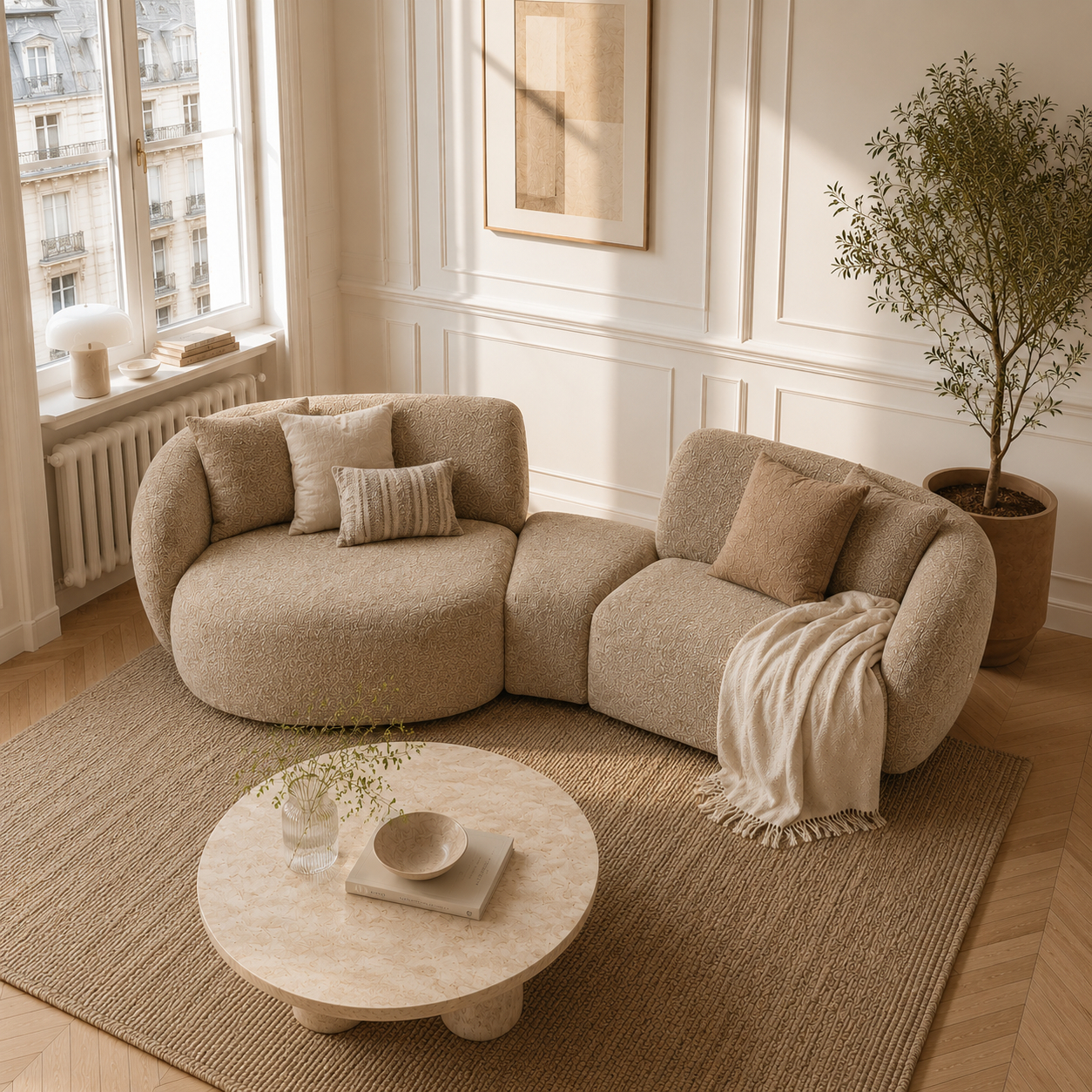
Natural fibre rugs — jute, sisal, seagrass — are the most versatile in contemporary interiors. They add warmth, texture, and an organic quality that works in almost any style. Wool rugs are the premium choice: soft, warm, durable, and naturally stain-resistant. Hand-knotted wool rugs improve with age. Flat-weave cotton rugs are practical, washable, and affordable — ideal for families with children or pets. Synthetic rugs are highly practical for high-traffic areas but lack the warmth of natural alternatives.
Rug Pile Height and Living Room Use
Low-pile and flat-weave rugs are easiest to live with: practical, easy to clean, and work well under furniture legs. High-pile rugs are luxuriously soft but more difficult to clean. For a living room with a sofa and coffee table arrangement, a medium-low pile is generally the most practical and versatile choice.
Pattern and Colour in Living Room Rugs
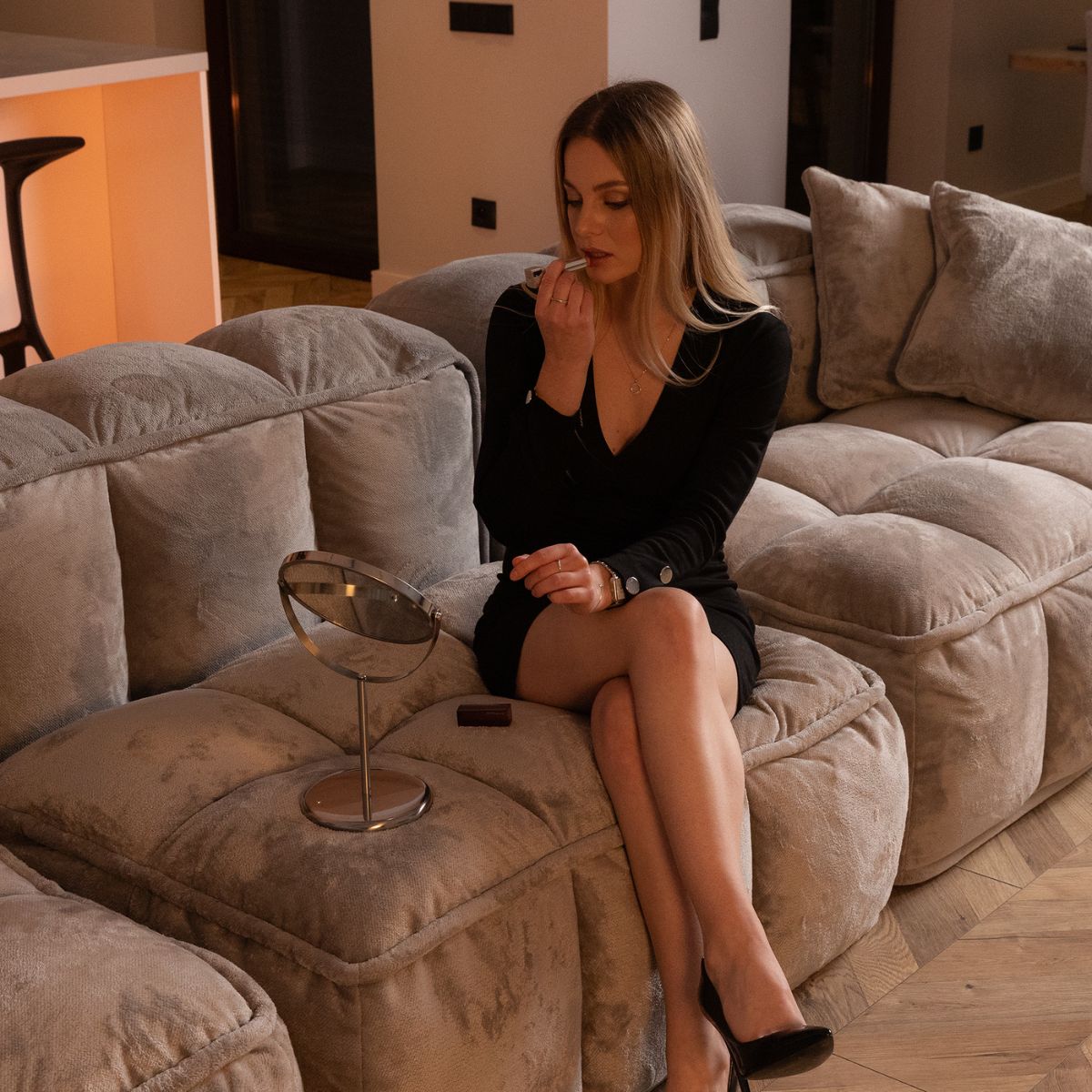
If the sofa is plain, a patterned rug adds interest and complexity. If the sofa has texture (bouclé, velvet), a plain rug in a complementary colour keeps the room from becoming busy. Persian and Oriental rugs are particularly versatile — their traditional patterns work in contemporary settings and their warm tonal palette adapts to many sofa colours.

Zostaw komentarz
Ta strona jest chroniona przez hCaptcha i obowiązują na niej Polityka prywatności i Warunki korzystania z usługi serwisu hCaptcha.